How Gutter Debris Impacts Drainage, Siding, and Landscaping
For many homeowners, the gutter system is the most “out of sight, out of mind” component of the entire house. It sits high above our heads, silently collecting leaves, twigs, pine needles, and the occasional lost tennis ball. Unless you see a tree sapling sprouting from the roofline, it is easy to assume everything is functioning correctly.
However, neglecting this vital drainage system often sets off a slow-motion chain reaction of property damage. The primary job of a gutter is deceptively simple: to capture rainwater shedding off the roof and divert it safely away from the home’s structure. When debris interrupts this flow, the water has to go somewhere. Unfortunately, gravity dictates that it goes exactly where you don’t want it—down your siding, into your landscaping, and eventually, through your foundation.
The consequences of clogged gutters go far beyond a weekend chore. They represent a significant financial risk to the structural integrity and aesthetic value of your property. Understanding the mechanics of how debris impacts your drainage, siding, and landscaping is the first step in preventing costly repairs down the road.
The Disruption of Home Drainage Systems
To understand the damage, we first have to look at how the system is supposed to work versus what happens when it fails. A functional gutter system relies on a precise pitch—a slight angle that encourages water to flow toward the downspouts.
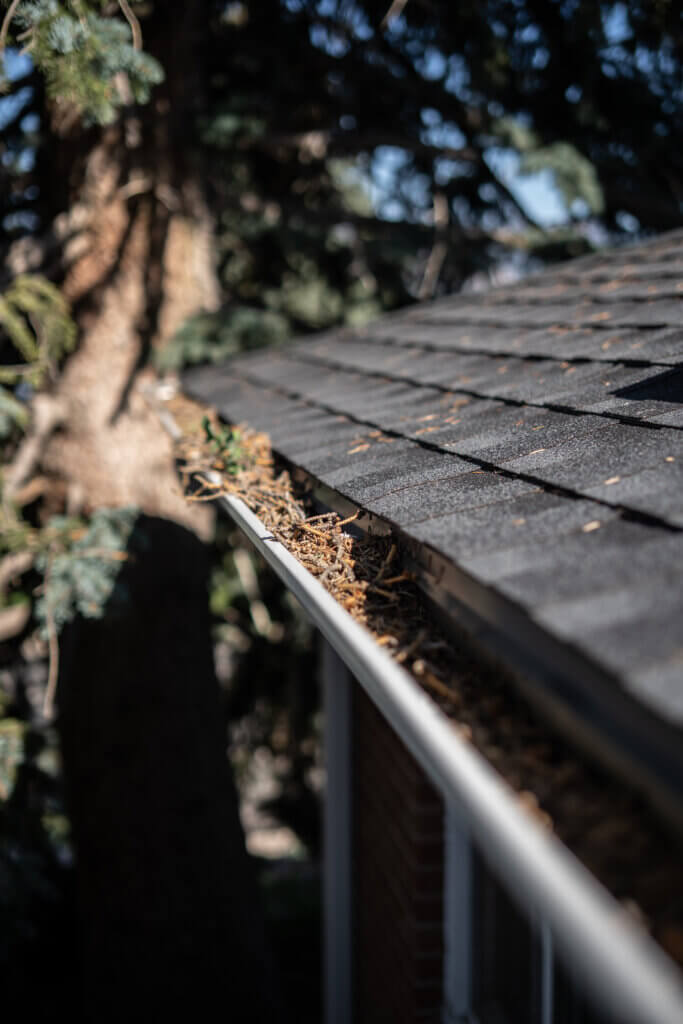
When debris accumulates, it creates dams. These dams trap water, preventing it from reaching the downspout. During a heavy storm, your roof sheds hundreds of gallons of water. If the gutter channel is blocked by a slurry of wet leaves and sludge, that water rapidly fills the trough.
The Phenomenon of “Backflow” and Overflow
Once the gutter is full, two things happen. First, the water overflows over the front lip of the gutter, creating a waterfall effect (which we will discuss later regarding landscaping). Second, and more insidiously, water can back up under the roof shingles.
This is often referred to as backflow. When water sits stagnant in a clogged gutter, it can wick upward beneath the roofline, leading to rotting roof decking and potential leaks in the attic. Furthermore, the sheer weight of wet debris and standing water puts immense strain on the fascia boards—the wooden boards your gutters are attached to. Over time, this weight can cause the gutters to pull away from the house entirely, destroying the pitch and rendering the system useless even after it dries out.
Stagnant Water and Pest Infestations
Drainage disruption isn’t just about moving water; it’s about eliminating standing water. Clogged gutters turn into suspended pools of stagnant water. This becomes a prime breeding ground for mosquitoes, which need standing water to lay eggs. Additionally, the decomposing organic matter in the gutter creates a compost pile that attracts carpenter ants, termites, and rodents looking for a soft, damp place to nest. If these pests establish a colony in your gutters, the bridge to your attic is a short commute.

The Assault on Siding and Exterior Paint
When water cannot travel horizontally through the gutter channel, it travels vertically down the face of your house. Your home’s siding—whether it is vinyl, wood, brick, or stucco—is designed to shed falling rain, not to withstand a concentrated, continuous cascade of water pouring from the roofline.
Wood Siding and Rot
For homes with wood siding or cedar shakes, overflowing gutters are catastrophic. The constant exposure to concentrated water flow prevents the wood from drying out completely. Over time, this leads to wet rot. The paint or stain on the wood will begin to bubble and peel as moisture infiltrates the fibers from behind or through micro-cracks in the finish.
Once the protective coating is compromised, the wood fibers soften and decay. This doesn’t just look unsightly; it destroys the protective skin of your home, allowing moisture to reach the framing and insulation behind the siding.
Staining on Vinyl and Brick
While vinyl and brick are more resilient to rot than wood, they are not immune to the cosmetic ravages of overflowing gutters. As water spills over a clog, it carries dirt, tannins from leaves, and asphalt granules from shingles down the side of the house.
This leaves unsightly tiger-striped stains that are notoriously difficult to remove. On brick and stucco, the constant moisture can lead to efflorescence—a white, powdery deposit of salts left behind when water evaporates. Furthermore, the constant dampness encourages the growth of green algae and mildew on the siding, making the home look aged and neglected.
Soffit and Fascia Damage
The overflow doesn’t always go straight down. Often, water curls around the lip of the gutter and runs along the underside of the soffit (the overhang of your roof). Soffits are typically vented to allow airflow into your attic. When water runs along these surfaces, it can enter the vents, leading to water damage in the attic insulation and encouraging mold growth in spaces you rarely check.
Landscaping Damage: The Erosion Factor
If you look down during a rainstorm and see a trench forming in the dirt right below your roofline, you have a drainage problem. Landscaping is often the first casualty of gutter neglect, and the damage can be surprisingly expensive to fix.
Soil Erosion and Root Exposure
A functional gutter system deposits water gently via a downspout, usually onto a splash block or into a drain extension that carries it several feet away from the house. When gutters overflow, the water hits the ground with significant force. This “waterfall effect” blasts away topsoil and mulch.
For flower beds located directly under the eaves, this erosion exposes the delicate root systems of shrubs and perennials. Without the protective covering of soil, roots dry out quickly when the sun returns, or they suffer physical damage from the force of the falling water. You may find yourself constantly replacing mulch or wondering why your expensive foundation plantings are struggling to thrive.
Drowning Plants and Fungus
While some plants love water, few can survive being waterboarded. The excess water pouring from clogged gutters saturates the soil, creating anaerobic conditions where plant roots cannot get oxygen. This leads to root rot, a fungal condition that turns roots into mush and eventually kills the plant.
Furthermore, the excess moisture creates a humid microclimate near the ground. This encourages fungal diseases on plant leaves, such as powdery mildew or black spot. If you are fighting a losing battle with plant fungus every season, look up—your gutters might be the culprit.
Hardscape Destabilization
It isn’t just the living parts of your landscape that suffer. The concentrated water flow can undermine hardscaping features. Stone pathways, paver patios, and retaining walls rely on a stable, compacted base. When water constantly saturates the soil next to these structures, the ground softens and shifts. This can cause pavers to sink, walkways to crack, and retaining walls to lean, leading to tripping hazards and costly masonry repairs.
Foundation Integrity: The Risk of a Wet Basement
The most severe consequence of gutter debris is undoubtedly foundation damage. The entire purpose of a gutter system is to move water away from the base of the home. When that system fails, water is deposited directly against the foundation wall.
Hydrostatic Pressure
As water pools around the foundation, the soil becomes heavy and saturated. This creates what engineers call hydrostatic pressure. Essentially, the water-logged soil pushes inward against your basement walls with immense force.
Over time, this pressure can cause masonry blocks to crack or bow. Even solid poured concrete can develop hairline fissures under this stress. Once a crack forms, water will find a way in. This is a primary cause of wet basements and crawl spaces.
The Freeze-Thaw Cycle
In colder climates, this problem is exacerbated by the freeze-thaw cycle. When water-saturated soil freezes against the foundation, it expands. This expansion pushes against the concrete. When it thaws, the soil contracts, leaving a gap that fills with more water. This repetitive cycle acts like a jackhammer in slow motion, compromising the structural stability of the home’s footing.
Settling and Shifting
Excess water can also wash away the soil supporting the foundation footing. When this happens, the house may “settle” unevenly. You might notice doors that no longer close properly, windows that stick, or drywall cracks appearing near the corners of door frames inside the house. These are symptoms of a shifting foundation, often traced back to poor exterior drainage management.
Professional Maintenance Solutions
Understanding the risks is one thing; safely managing them is another. Many homeowners attempt to tackle gutter cleaning themselves, armed with a rickety ladder and a garden hose. However, this approach carries risks of injury and often fails to address the underlying issues, such as downspout blockages or pitch problems.
This is where professional services like Cultivate House Detailing make a distinct difference. Proper gutter maintenance is about more than just scooping out leaves; it is a restorative process for your home’s exterior hygiene.
The Cultivate House Detailing Approach
Cultivate House Detailing provides a comprehensive solution that goes beyond basic debris removal. Their process ensures that the entire drainage system is functioning as designed.
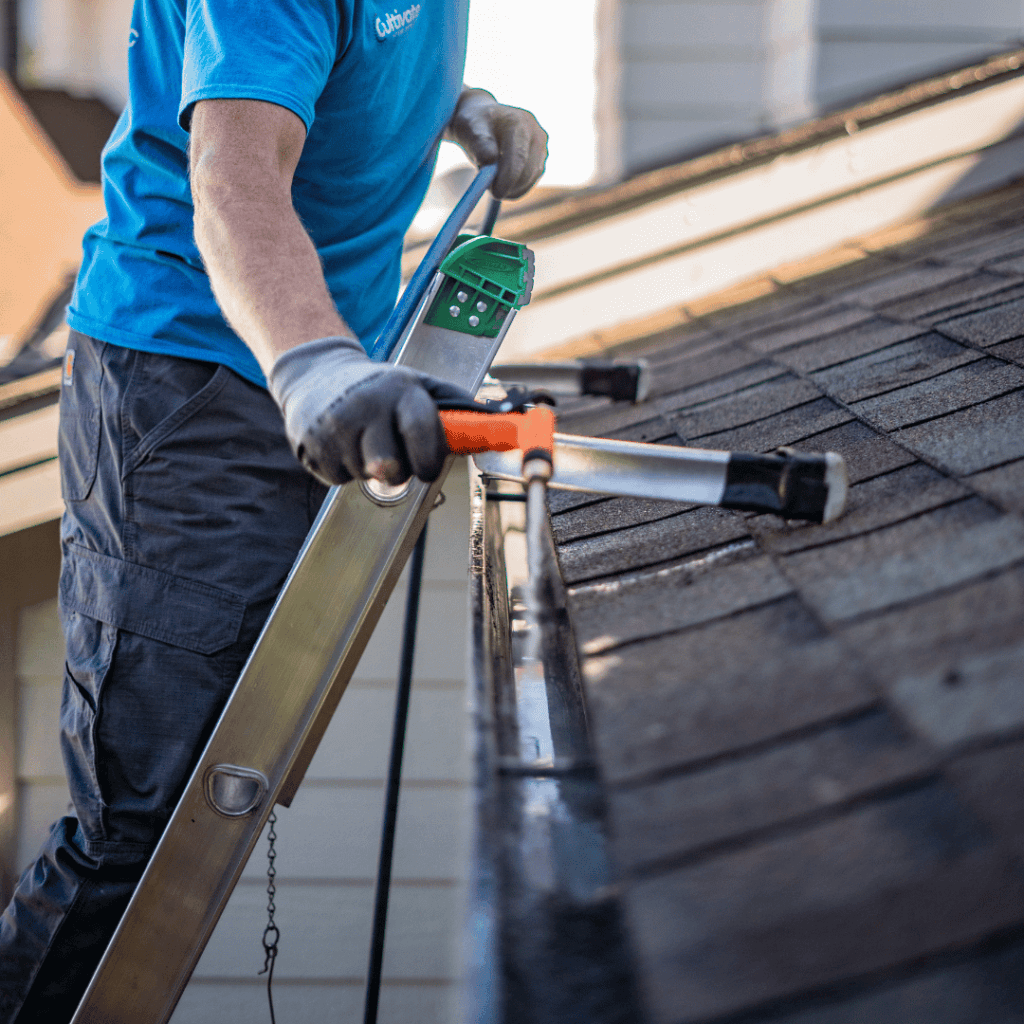
- Safety and Efficiency: Cleaning gutters involves working at heights, often on uneven ground. Professionals have the necessary safety gear and stabilizers to do the job without risk to themselves or damage to your roof.
- Complete Downspout Flushing: Removing leaves from the top trough is useless if the downspout is clogged. Cultivate House Detailing ensures that downspouts are flushed and flowing freely, verifying that water is actually exiting the system where it is supposed to.
- Debris Management: Instead of throwing the wet sludge onto your freshly mulched flower beds (a common DIY mistake), professional technicians bag and remove the debris, leaving your landscaping clean.
- Inspection: While cleaning, professionals can spot early warning signs—loose hangers, rust spots, or separated joints—that a homeowner might miss. Catching these small issues early can save thousands in repair costs.
By entrusting this task to Cultivate House Detailing, you aren’t just buying a cleaning service; you are investing in a preventative maintenance strategy that protects your siding, landscape, and foundation.
Investing in Long-Term Exterior Care
Your home is a complex system. The roof, siding, foundation, and gutters all work together to protect it. When debris clogs your gutters, it disrupts this system, causing water to overflow.
This overflow may seem minor at first, causing just a few streaks on your gutters or some mud on your siding. But unseen, this water can cause serious damage by rotting wood, eroding your landscaping, and even cracking your foundation.
Regular gutter cleaning is more than just a cosmetic chore—it’s essential for protecting your home. By keeping your gutters clear, you extend the life of your siding, protect your landscaping, and keep your basement dry.
Partnering with experts like Cultivate House Detailing handles this critical task for you, turning a reactive problem into a proactive maintenance plan. Don’t wait for the next storm to reveal a costly issue. Keep your gutters clear, and your home will be protected for years to come.
https://www.google.com/maps?cid=10139285130722580475