How Seasonal Weather Impacts Your Windows, Gutters, and Solar Panels
Seasonal weather relentlessly degrades your home’s exterior. Freezing winter temperatures crack window seals and warp gutters, while spring rain and pollen clog drainage and block solar panels. Summer heat causes extreme thermal expansion, and autumn leaves create severe gutter blockages. Regular professional maintenance is essential to prevent costly permanent damage.
Your home faces a continuous, year-round assault from the elements. While you sit comfortably inside, your exterior fixtures are constantly expanding, contracting, taking on heavy loads, and fighting off intrusive moisture. Most homeowners only notice the toll the weather takes when a leak ruins a ceiling or an energy bill suddenly spikes. By the time these obvious signs appear, the underlying damage is usually extensive and expensive to repair.
At Cultivate House Detailing, we specialize in comprehensive home protection. We spend our days inspecting, cleaning, and maintaining the vital components that shield your living space from the outdoors. We have seen firsthand how neglecting minor seasonal wear and tear escalates into major structural failure.
Understanding exactly how shifting seasonal weather impacts your windows, gutters, and solar panels is crucial for long-term home maintenance. When you know what threats each season brings, you can take proactive steps to extend the lifespan of your exterior fixtures. This guide breaks down the specific challenges your home faces throughout the year and provides actionable advice for keeping your property in peak condition.
The Impact of Winter on Your Home’s Exterior
Winter brings some of the most severe weather conditions your property will face all year. Plunging temperatures, heavy snowfall, and the relentless freeze-thaw cycle put immense physical stress on glass, aluminum, and silicone fixtures.
How do freezing temperatures damage window seals?
When the temperature drops rapidly, the materials making up your windows contract. This sudden shift causes cold stress and thermal shock, which frequently leads to microscopic cracks in the glass or the failure of the weather seal. Once a seal fails, the insulating argon gas escapes from double-pane windows, drastically reducing their energy efficiency.
Additionally, ice damming and frost formation present serious risks. When condensation freezes on the glass, it can force its way under the framing. Proper insulation and updated weather stripping are absolutely vital here. Choose high-grade silicone weather stripping if flexibility in sub-zero temperatures matters more to you than upfront costs.
Why do gutters separate from the roof during winter?
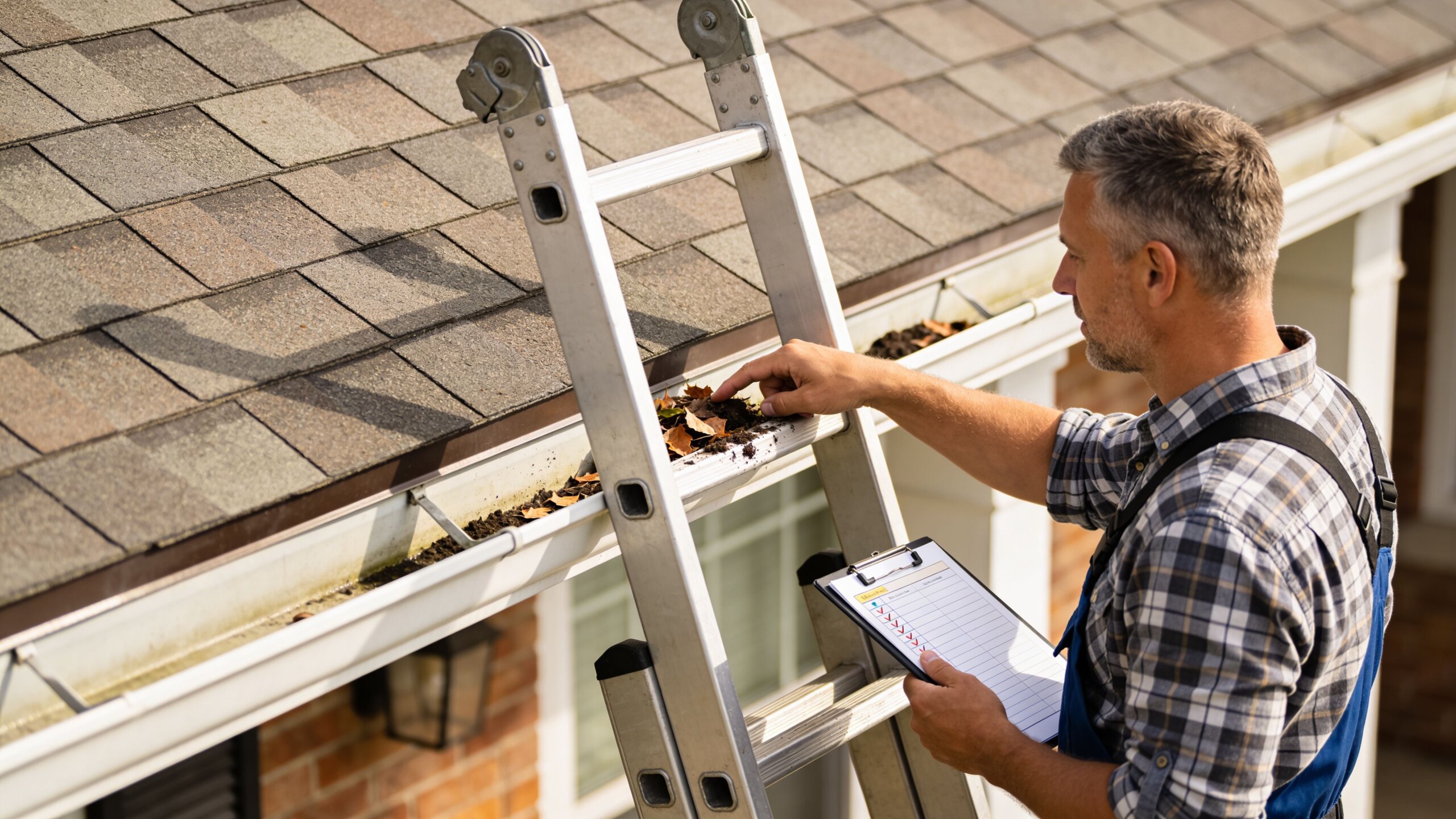
Gutters act as the primary defense against water damage, but winter turns them into ice traps. Freezing and thawing cycles cause melted snow to refreeze inside the gutter channel. Over a few weeks, this forms solid blocks of ice.
The sheer weight of this ice buildup pulls the gutters away from the fascia board. This separation ruins the structural integrity of the drainage system. Regular cleaning before the first freeze and the installation of durable gutter guards are the most effective ways to prevent ice from tearing your gutters off your home.
Do snow and ice ruin solar panel efficiency?
Solar panels are engineered to withstand harsh conditions, but heavy snow accumulation immediately halts their energy production. While a light dusting will often blow away or melt, significant snowfall blocks sunlight entirely.
More concerning is the formation of ice. As water freezes and expands on the surface, it can cause micro-cracks in the photovoltaic cells. These tiny fractures degrade the panel’s lifespan. Maintaining the proper installation angle allows snow to slide off naturally, while using specialized soft-bristle snow removal tools prevents accidental scratching during manual clearing.

Spring’s Challenges: Thaw, Rain, and Growth
As the snow melts and temperatures rise, spring introduces an entirely new set of environmental hazards. Thawing moisture, heavy rainfall, and an explosion of organic growth test the limits of your exterior drainage and cleanliness.
How does spring moisture cause window mold?
Spring temperature swings often create heavy condensation on the interior and exterior of your windows. This persistent moisture creates the perfect breeding ground for black mold and mildew along the window sills and inside the tracking.
Furthermore, spring pollen combined with typical dirt accumulation turns into a sticky paste when it rains. This abrasive mixture etches into the glass if left untreated. Professional cleaning and a thorough seal inspection early in the spring will remove these corrosive elements and stop mold spores from infiltrating your home’s air supply.
Why do spring rains overflow residential gutters?
Heavy spring showers demand a fully functioning drainage system. If your gutters survived winter, they now face the challenge of channeling hundreds of gallons of water away from your foundation.
Unfortunately, spring also brings debris from budding trees, including early leaves, blossoms, and seed pods. When these organic materials mix with heavy rain, they create dense clogs. Overflowing water then cascades directly down your siding, pooling around the foundation and risking basement floods. A comprehensive post-winter inspection and cleaning will ensure water flows exactly where it belongs.
How does spring pollen reduce solar panel output?
While spring brings longer daylight hours, the explosion of pollen and dust significantly hampers solar performance. A thick layer of yellow spring pollen can reduce a solar panel system’s energy output by up to 15%.
This is also the season of increased bird activity. Pigeons and smaller birds frequently use the sheltered space beneath solar panels for nesting. These nests trap heat and moisture, while acidic bird droppings permanently stain the glass surface. Gentle, pure-water cleaning and checking for new obstructions will keep your panels operating at peak capacity throughout the season.
Summer’s Heat and Storms
Summer tests the heat resistance and UV tolerance of your home’s materials. Scorching temperatures, direct sun exposure, and sudden, violent thunderstorms require your exterior components to be highly resilient.
Does summer UV exposure ruin window glass?
Continuous exposure to intense ultraviolet (UV) radiation breaks down the structural integrity of window framing materials, particularly older vinyl setups. It also causes significant fading of your interior furniture, carpets, and artwork.
Heat transfer is the other major issue. Windows with degraded seals allow summer heat to pour into your living room, forcing your air conditioning unit to work twice as hard and driving up your energy bills. Installing energy-efficient windows or applying professional protective UV films can mitigate this heat transfer and block up harmful rays.
Can summer storms destroy gutter systems?
Summer weather is famous for brief but incredibly intense downpours. These sudden micro-storms overwhelm gutters that do not have the proper capacity or slope. If water cannot evacuate fast enough, the weight of the water alone can bend the aluminum.
Summer storms also rip twigs, branches, and green leaves off trees, throwing them directly onto your roof. Ensuring strong fascia attachment and verifying the precise downward slope of your gutters are critical steps to survive the violent weather patterns of July and August.
How do solar panels react to summer heatwaves?
Solar panels thrive on sunlight, but extreme heat actually degrades their performance. When surface temperatures exceed 77 degrees Fahrenheit (25 degrees Celsius), the efficiency of standard photovoltaic panels begins to drop.
Additionally, summer brings the threat of hail damage and high-velocity wind debris. While most modern panels are rated to survive one-inch hail at fifty miles per hour, repeated strikes cause invisible micro-cracks. A professional inspection following a major summer storm is the only way to verify the panel’s integrity has not been compromised.
Autumn’s Descent: Falling Leaves and Preparation for Winter
Autumn is the transitional period where your home must be prepared for the incoming winter freeze. Falling leaves and fluctuating temperatures make this the most labor-intensive season for exterior property maintenance.
How do autumn temperature shifts cause drafts?
The shift from warm afternoons to freezing nights causes constant expansion and contraction of your window frames. This repetitive movement often breaks the caulking applied around the exterior.
Once the caulking fails, autumn winds push cold drafts directly into your home. Preparing for winter requires a meticulous inspection for these drafts and the reapplication of high-grade exterior sealant. A final deep cleaning before the temperature drops too low also removes summer grime that could freeze onto the glass.
What happens when autumn leaves block your gutters?
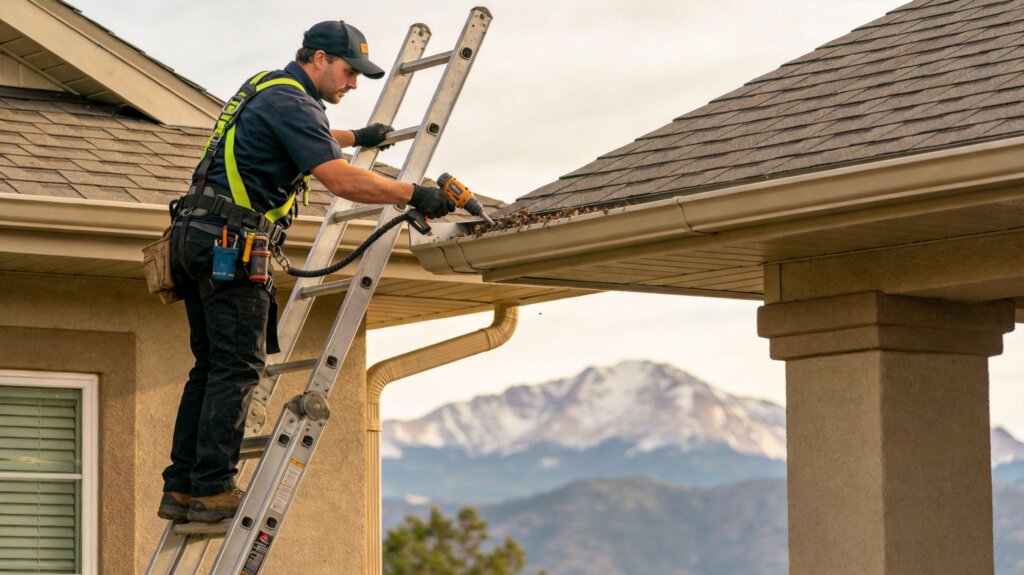
The massive influx of falling autumn leaves is the single greatest threat to your gutter system. Pine needles, broad leaves, and falling branches quickly fill the entire channel.
When gutters are blocked, autumn rains cannot drain. This water sits stagnant in the trough, eventually rotting the wooden fascia boards behind the gutter. When winter arrives, this stagnant water freezes into the massive ice dams mentioned earlier. The critical importance of thorough autumnal cleaning cannot be overstated; it is the most important maintenance task of the entire year.
How does autumn debris lower solar efficiency?
Shorter days and a lower sun angle naturally reduce solar energy production during the autumn months. When you add heavy leaf accumulation on top of the panels, energy output can drop to near zero.
Wet leaves stuck to the panels create “hot spots” where the solar cells attempt to compensate for the blocked sunlight, potentially burning out individual cells. A final cleaning and system check before winter removes these hazards and ensures you capture every available hour of autumn sunlight.
Cultivate House Detailing: Your Partner in Seasonal Home Protection
Managing the constant demands of seasonal weather requires specialized knowledge and commercial-grade equipment. Cultivate House Detailing is your dedicated partner in seasonal home protection.
We offer a comprehensive suite of services, including meticulous window cleaning, rigorous gutter cleaning, and expert solar panel cleaning and inspection. We take a preventative approach to home maintenance. Rather than waiting for a fixture to break, we address the microscopic wear and tear before it escalates.
Partnering with us brings immediate benefits. You will significantly extend the lifespan of your expensive exterior components, improve your home’s overall energy efficiency, and drastically reduce emergency repair costs. Choose Cultivate House Detailing if long-term peace of mind matters more to you than taking a risky DIY approach on a ladder.
Protect Your Investment Year-Round
The elements never take a day off, and neither should your home’s maintenance strategy. From the freezing thermal shock of winter to the severe debris blockages of autumn, proactive seasonal maintenance is the only way to safeguard your property.
By understanding the specific vulnerabilities of your windows, gutters, and solar panels, you can stay one step ahead of the weather. Neglecting these areas leads to structural failure, massive energy waste, and expensive emergency repairs. Contact Cultivate House Detailing today for a comprehensive seasonal home detailing package, and let our experts protect your greatest investment.
Need it done properly the first time? Cultivate House Detailing offers solar panel cleaning in Colorado Springs. Get a free quote.