You wipe the smudge from a front window, step back, and find a larger streak sitting exactly where the sunlight hits. In Colorado Springs, that result usually has less to do with effort than with timing, water quality, wind, and the method used on the glass. Efficient window cleaning means matching the equipment and process to the property, whether you need residential window cleaning near me, commercial window cleaning, or a seasonal exterior window washing service.
For Colorado Springs, CO homeowners, that can mean pure-water water-fed pole work for high exterior glass, traditional squeegee cleaning for detailed interior panes, and screen or track cleaning when dust has collected around the frame. Cultivate House Detailing serves Colorado Springs and nearby communities with residential and commercial window cleaning designed around those conditions, not a one-method-fits-all routine.
Why Windows in Colorado Springs Are Harder to Keep Clean
A homeowner can wash a pane on Saturday morning and find streaks by afternoon. Colorado Springs' altitude, dry air, and intense sun shorten the time available to work the glass before solution dries. The right method therefore depends on the job: ladder-free water-fed pole work suits high exterior panes, while traditional detail work may be better for accessible interior glass.
Spring pollen, road film, and wind-blown grit create different cleaning demands. Cottonwood and juniper pollen cling to screens and frames, winter traffic leaves magnesium chloride dust near I-25 and neighborhood arterials, and open prairie wind can put fresh debris on a clean pane. Chinook gusts also change whether exterior work is practical that day.

The deposits that create repeat work
Sprinklers and afternoon thunderstorms leave a separate type of residue. When water dries on lower panes beside landscaping, its minerals can form white rings or spots. Routine washing may not remove those marks. Hard-water stain removal often calls for a test spot, a separate treatment, and more agitation than scheduled maintenance.
Pure-water rinsing can reduce spotting on suitable exterior glass, but it does not remove every deposit by itself. Choosing that method for a dusty pane without first loosening contamination can also waste time and increase the number of passes.
Work setup affects efficiency too. The International Window Cleaning Association's ground-level safety guidance also warns crews not to place buckets in walkways, doorways, or the middle of sidewalks, and recommends stopping work when excessive wind exposes the cleaner to danger.
Practical rule: In Colorado Springs, speed comes from matching the method and schedule to the weather, glass, and surrounding property.
A shaded elevation may stay workable longer than a sun-facing one. A home beside an open lot may need more frequent exterior service than a sheltered property, while hard-water exposure can justify targeted stain treatment instead of repeated standard washing. The efficient result is a clean finish with fewer passes, less ladder exposure, and less chance of turning yesterday's dust into today's mud.
The Core Efficient Window Cleaning Method Professionals Use
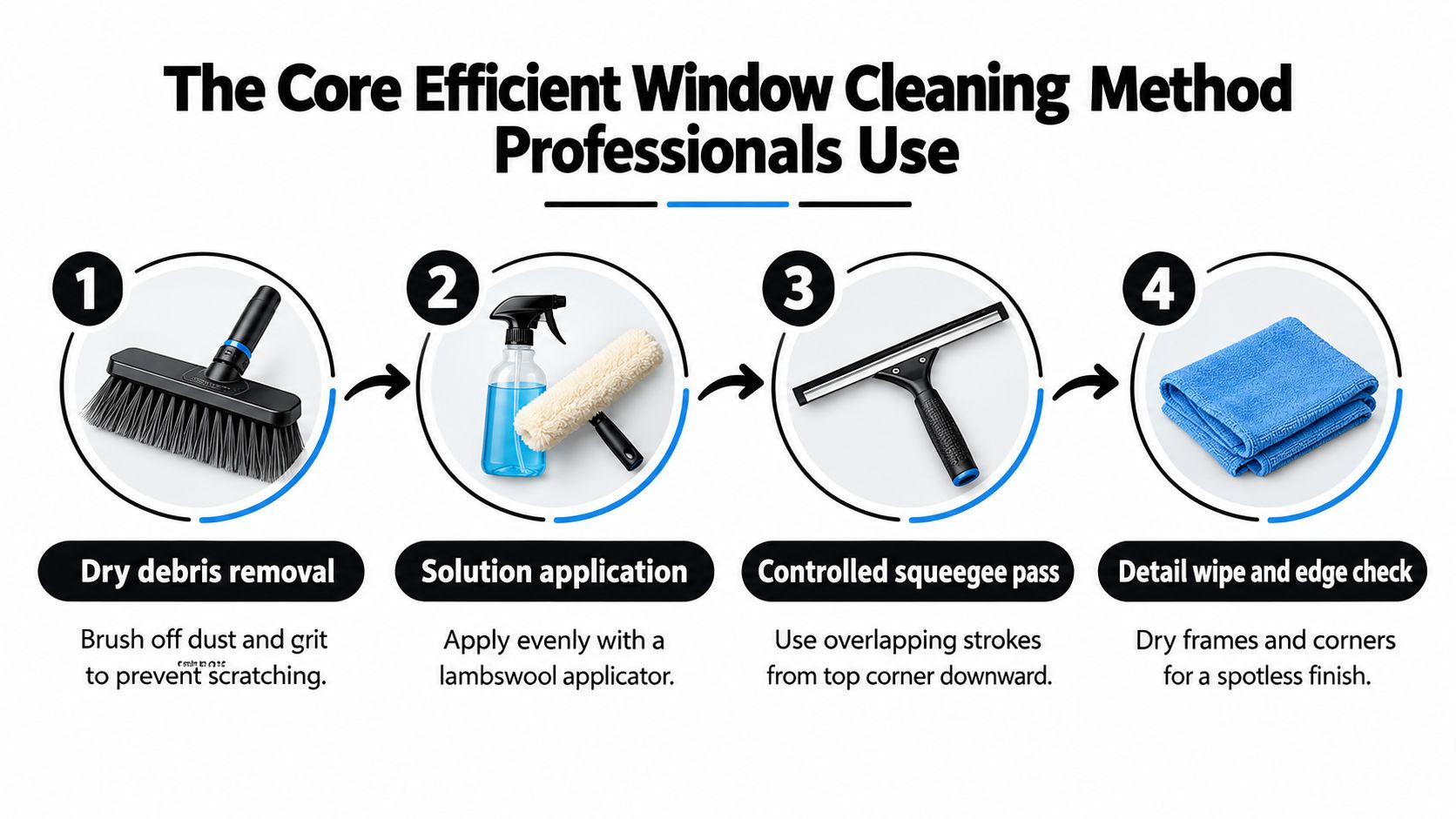
The most reliable process starts before the glass gets wet. A technician first removes loose grit with a soft brush or clean microfiber. That dry pass matters because road dust, pollen, and windblown sand can turn into an abrasive paste when mixed with solution.
The pane is then pre-rinsed or fully wetted so the cleaning solution has enough working time. A measured amount of mild soap goes onto a T-bar or applicator, which moves across the glass in straight, overlapping lines. Circular scrubbing often redistributes contamination and makes edge control harder.
Why the order matters
The squeegee follows while the surface is still evenly wet. Consistent top-to-bottom passes or controlled reverse-S strokes remove the solution before Colorado's dry air can flash it onto the pane. Edges receive a separate detail wipe with a damp microfiber wrapped around a fingertip or used with a detailing tool, then sills and frames are wiped last.
The National Glass Association's professional guidance recommends saturating glass with clean water and a mild, non-abrasive solution, agitating lightly, and removing the solution immediately with a squeegee. For pure-water cleaning, it specifies water at or below 20 ppm TDS to reduce spotting and streaking. Dissolved minerals are a major source of dry residue, so a technician should verify water quality before starting and recheck it when filtration performance changes.
This sequence also explains why overusing soap doesn't improve results. Excess cleaner creates more residue, while abrasive pads can damage glass surfaces. The efficient approach uses enough solution to suspend soil, enough agitation to loosen it, and enough controlled rinsing or squeegee work to remove it before it dries.
Water-Fed Poles vs Traditional Squeegee Work for Faster Results
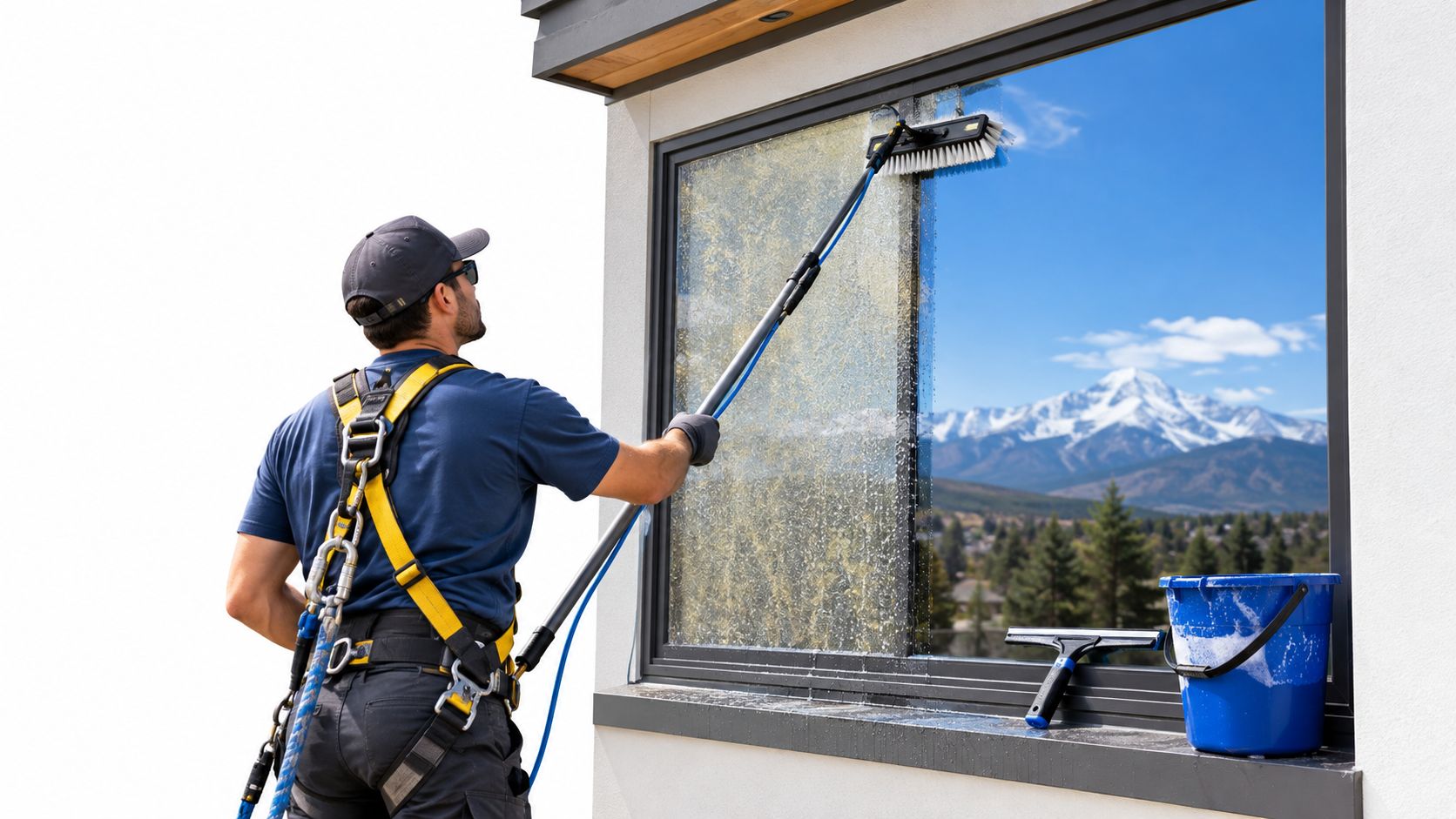
A water-fed pole is usually the better choice when exterior glass rises above a deck, slopes over a yard, or sits on a second or third story. In Broadmoor, Peregrine, and Pine Creek, ladder placement can be awkward around landscaping, retaining walls, and raised decks. A purified-water pole lets a technician reach much of that glass from the ground while reducing setup and repositioning.
Traditional squeegee work still wins on some jobs. Ground-floor windows, French panes, divided lights, and glass with heavy construction film need close agitation and tighter hand control. A squeegee also makes sense for interior window cleaning, where water management and careful detailing matter more than reach.
| Factor | Water-Fed Pole | Traditional Squeegee |
|---|---|---|
| Best fit | High exterior glass, wide panes, difficult ladder access | Interior glass, divided lights, stubborn localized grime |
| Main advantage | Ground-based reach with less ladder movement | Precise agitation and edge control |
| Finish process | Pure-water wash, brush agitation, final rinse | Soap solution, applicator, squeegee, microfiber detail |
| Trade-off | Requires properly purified water and complete rinsing | More setup, climbing, and repositioning on upper stories |
| Colorado Springs use | Homes with decks, slopes, or tall elevations | Storefront panels, French panes, and detailed interior work |
The water-fed pole window cleaning service approach works only when the water is clean enough and the brush reaches corners and frames. Industry guidance describes field practice commonly using water below 10 ppm TDS, with a final rinse that carries suspended soil away from the glass. Poor purification, weak agitation, or an incomplete rinse can leave mineral spots and edge lines.
The right question isn't whether one tool is always faster. It's whether the tool reduces total labor, access risk, and rework for that specific property.
A Simple DIY Window Cleaning Kit for Homeowners
Homeowners can maintain clean glass between professional visits with a small kit from a hardware store. Start with an 8 to 12 inch squeegee, a lambswool or microfiber applicator, two clean buckets, a grout brush for tracks and frames, and several lint-free microfiber cloths.
For Colorado Springs hard water, a practical maintenance mix is one gallon of cool water, one teaspoon of dish soap, and one quarter cup of white vinegar. Use one bucket for the solution and the second for rinsing the applicator. That separation keeps grit from returning to the glass.

Use the kit without creating more work
Work in shaded sections rather than placing a wet applicator on sun-heated glass. Wring it until damp, not dripping, and apply enough solution to loosen soil without flooding the sill. Squeegee each pane while it remains wet, then use a dry microfiber for the edges.
Replace a cloth when it stops absorbing. A saturated towel spreads residue around frames and corners instead of removing it. Use the grout brush gently on tracks, since loose grit in a track can transfer back onto freshly cleaned glass.
This kit is useful for fingerprints, light dust, and routine interior window cleaning. It won't match the spotless exterior finish possible with properly purified water, especially where sprinkler deposits or mineral-heavy runoff have dried on the pane. For persistent marks, professional hard water stain removal is safer than aggressive scraping or abrasive pads.
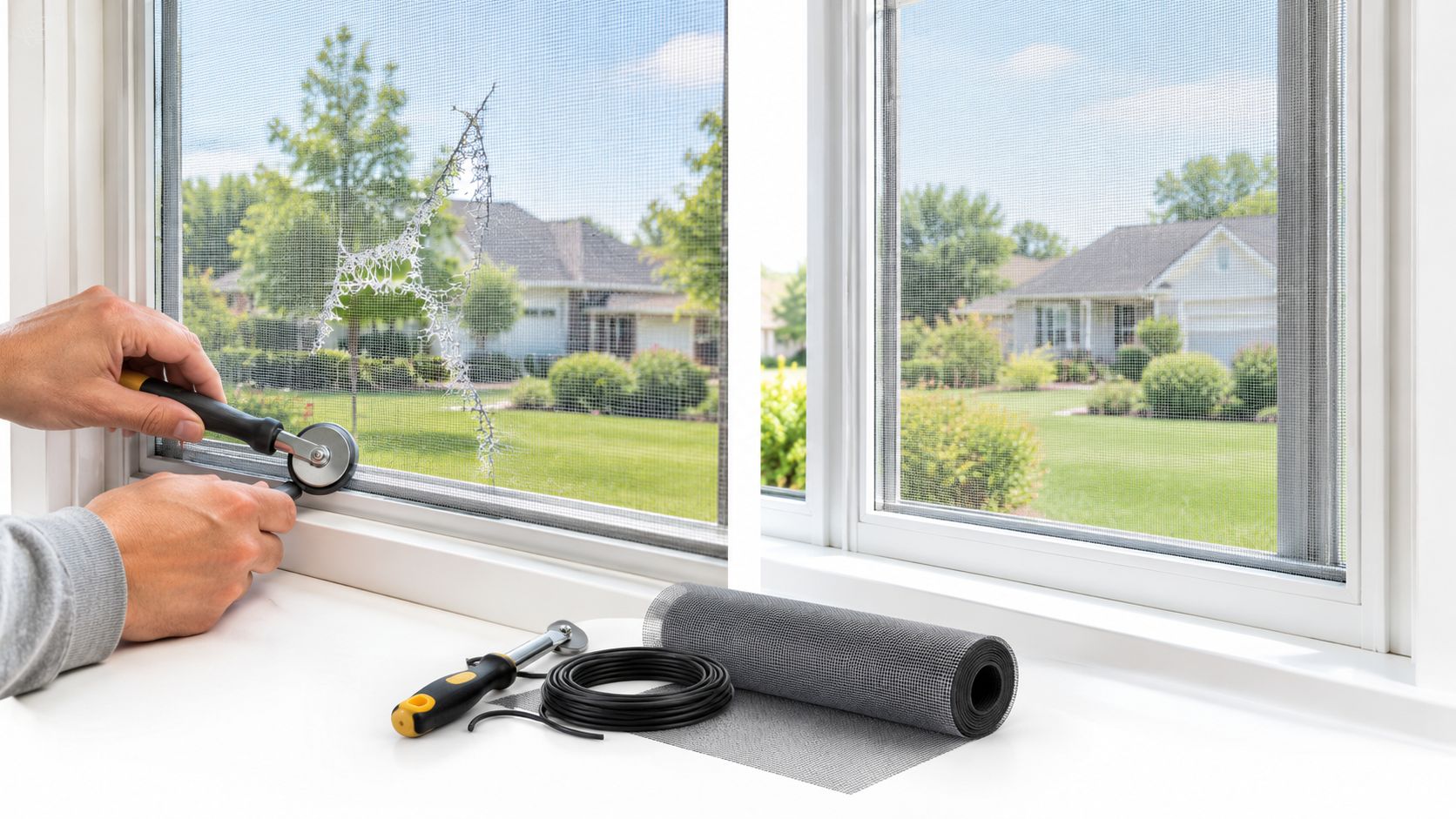
Cultivate House Detailing offers residential and commercial window cleaning with interior and exterior service, screen repair, and track detailing, so homeowners can combine routine maintenance with work that is difficult to complete safely from the ground.
Seasonal Window Cleaning Schedules That Save Time Long Term
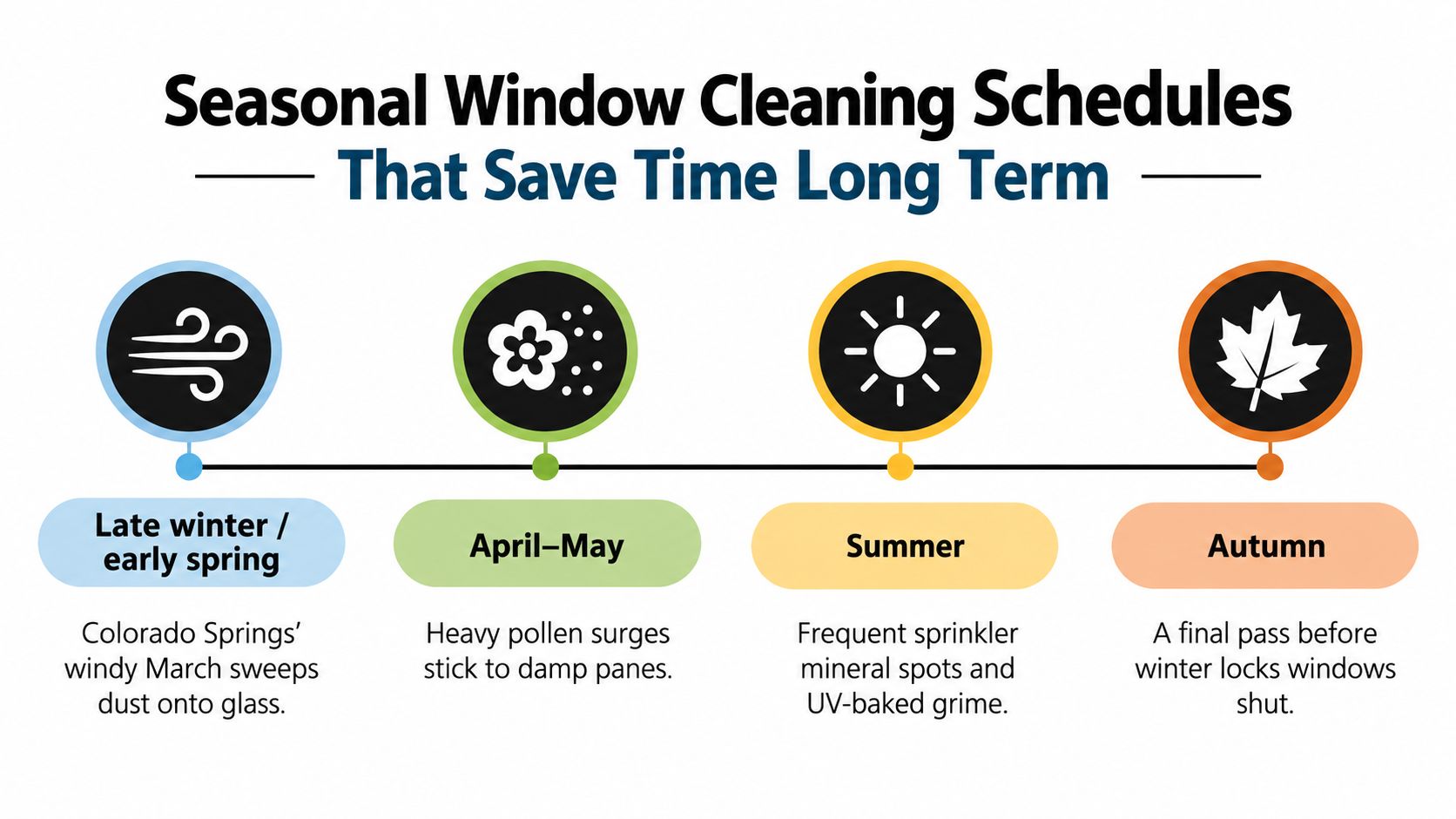
Colorado Springs windows respond to the calendar. Windy late winter and early spring can load exterior glass with dust. Cottonwood fluff and juniper pollen become especially troublesome in April and May, while summer brings sprinkler spots, monsoon dust, and fast-drying grime. Autumn is a useful time for a final detailed pass before colder weather limits how often windows stay open.
A practical baseline for many homes is exterior cleaning three times a year, in early spring, late summer, and after the first hard freeze. Interior windows can receive quick touch-ups monthly, with deeper interior window cleaning when fingerprints, cooking film, or household dust becomes noticeable.
Schedule around local triggers
The point isn't to clean on fixed dates regardless of conditions. Mark reminders around the first heavy cottonwood drop, a stretch of windy weather, or a storm that leaves visible mineral rings. A post-storm inspection can identify sprinkler or runoff deposits before they become harder to remove.
Regular maintenance reduces the heavy buildup that slows a full visit. It also gives technicians a better chance to identify damaged screens, blocked tracks, failing seals, or stains that need separate attention. This seasonal window cleaning guide can help homeowners align service timing with local conditions.
The same schedule supports property maintenance beyond appearance. At Colorado Springs' elevation, strong sun gradually stresses exterior materials and sealants. Clean glass won't repair a failed seal, but routine cleaning makes defects easier to spot and keeps abrasive dust from sitting against frames and tracks for long periods.
Safety and Time Savings on Multi-Story Window Jobs
A tall window above a sloped yard, deck, or planting bed can make ladder access the slowest and riskiest part of the job. In Rockrimmon, Peregrine, and the Broadmoor area, the property often determines the cleaning method before the glass does. A ladder may fit the window but still lack a stable setup area.
For suitable homes, a carbon-fiber water-fed pole can reach exterior glass up to the fourth story from the ground. That avoids repeated ladder climbs and cuts the time spent carrying, opening, repositioning, and securing access equipment. The trade-off is that pole work requires trained control, clear overhead awareness, and enough purified water to rinse the glass fully.
The HealthDay summary of OSHA data reports 88 window-cleaning accidents over 15 years, including 62 fatalities, and identifies ladder mishaps as the leading cause among window cleaners. Those figures support planning access during the quote instead of improvising after the crew arrives.
Match access to the property
A two-story home with open garden access may suit water-fed pole cleaning. A four-story elevation above a deck may need another access plan or specialized equipment. Traditional ladder work still makes sense for accessible lower windows, provided ladders stand on stable surfaces and crews use appropriate safety controls.
Before difficult work begins, the crew should review anchor points, spotter procedures, weather exposure, and liability coverage. Crews should postpone exposed exterior work when sustained wind or gusts make pole control or ladder footing unsafe, then reassess access before rescheduling.
The right method protects the technician and the homeowner. It reduces rushed setup, unexpected access charges, and wasted time when Colorado Springs weather or property conditions make the original plan unsuitable.
What to Expect When You Book Professional Window Cleaning
A useful quote starts with property details, not a vague price. Expect questions about the number of windows, approximate square footage, story height, slopes, decks, interior access, screens, sills, tracks, and skylights. A commercial window cleaning quote may also ask about storefront hours, pedestrian traffic, entry requirements, and the building's glass type.
Weather should be part of the conversation. Colorado Springs spring winds and afternoon thunderstorms can change a safe service window. A responsible crew will confirm the arrival window and explain when conditions require a delay rather than trying to force exterior work in unsafe weather.
What a professional visit should include
On site, technicians may combine a pure-water system with traditional squeegee work. Interior cleaning should include drop cloths and careful water control, while exterior service should account for frames, edges, screens, and tracks. Add-ons such as hard water stain removal, post-construction cleanup, screen repair, or detailed track cleaning should appear clearly in the estimate.
Look for practical safety details:
- Access planning: The crew identifies stable ladder positions, slope concerns, decks, and overhead hazards before starting.
- Weather judgment: Technicians postpone exposed work when wind or storms make the area unsafe.
- Clear scope: The quote states whether interior glass, screens, sills, tracks, and skylights are included.
- Transparent add-ons: Restoration work and post-construction cleanup are priced separately from routine window washing.
- Maintenance advice: The provider recommends a seasonal schedule based on exposure, buildup, and the property's use.
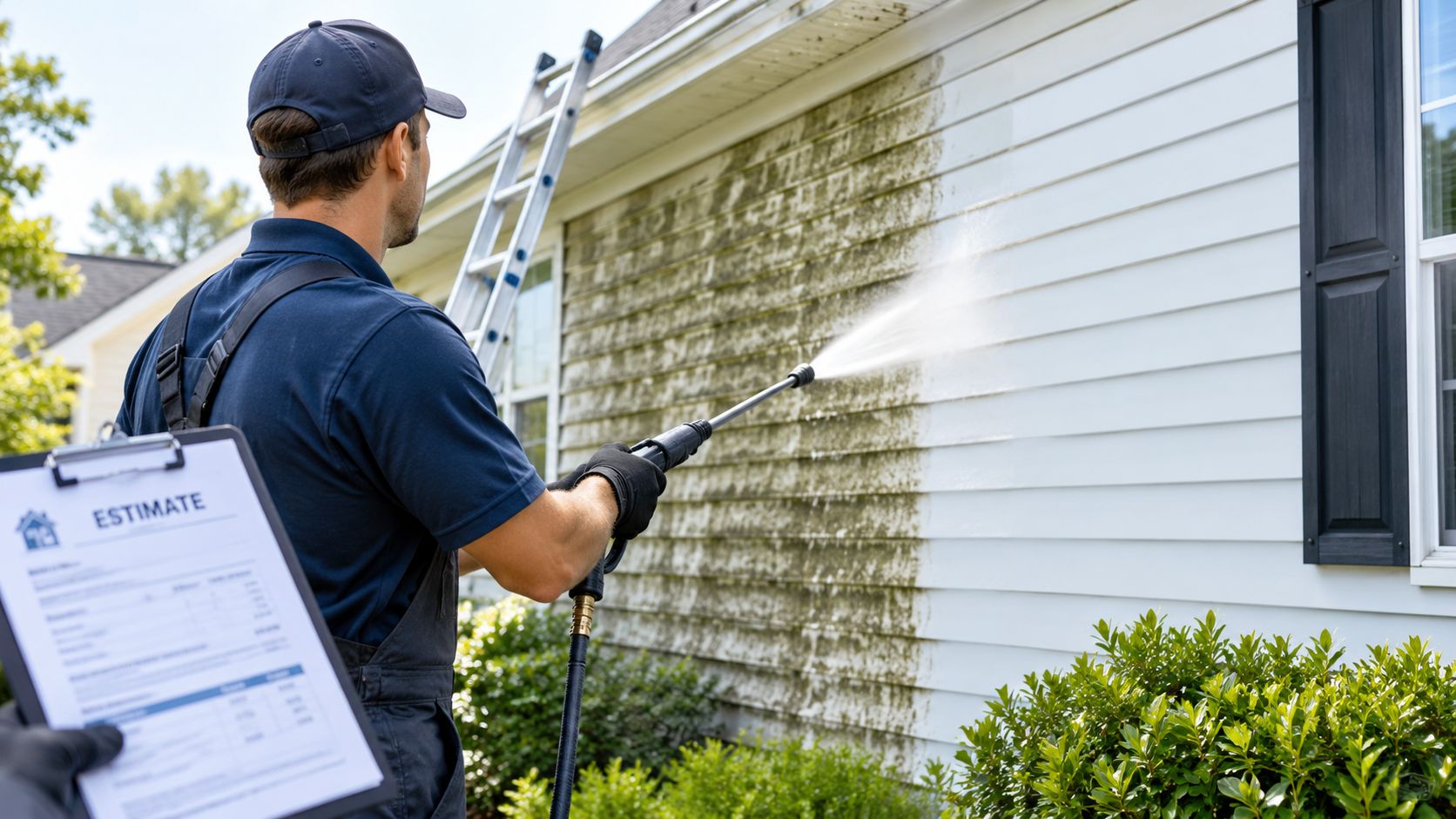
Professional window cleaning should leave you with more than brighter glass. It should provide a repeatable plan for residential window cleaning, commercial maintenance, and related exterior services. Ask whether the company also handles gutter cleaning, pressure washing, screen repair, or seasonal lighting if you prefer to coordinate property care through one local provider.
Cultivate House Detailing provides residential and commercial window cleaning in Colorado Springs, including interior and exterior glass, water-fed pole work up to the fourth story, screen repair, and track detailing. Visit Cultivate House Detailing to request a quote and schedule a method-matched service for your home or business.