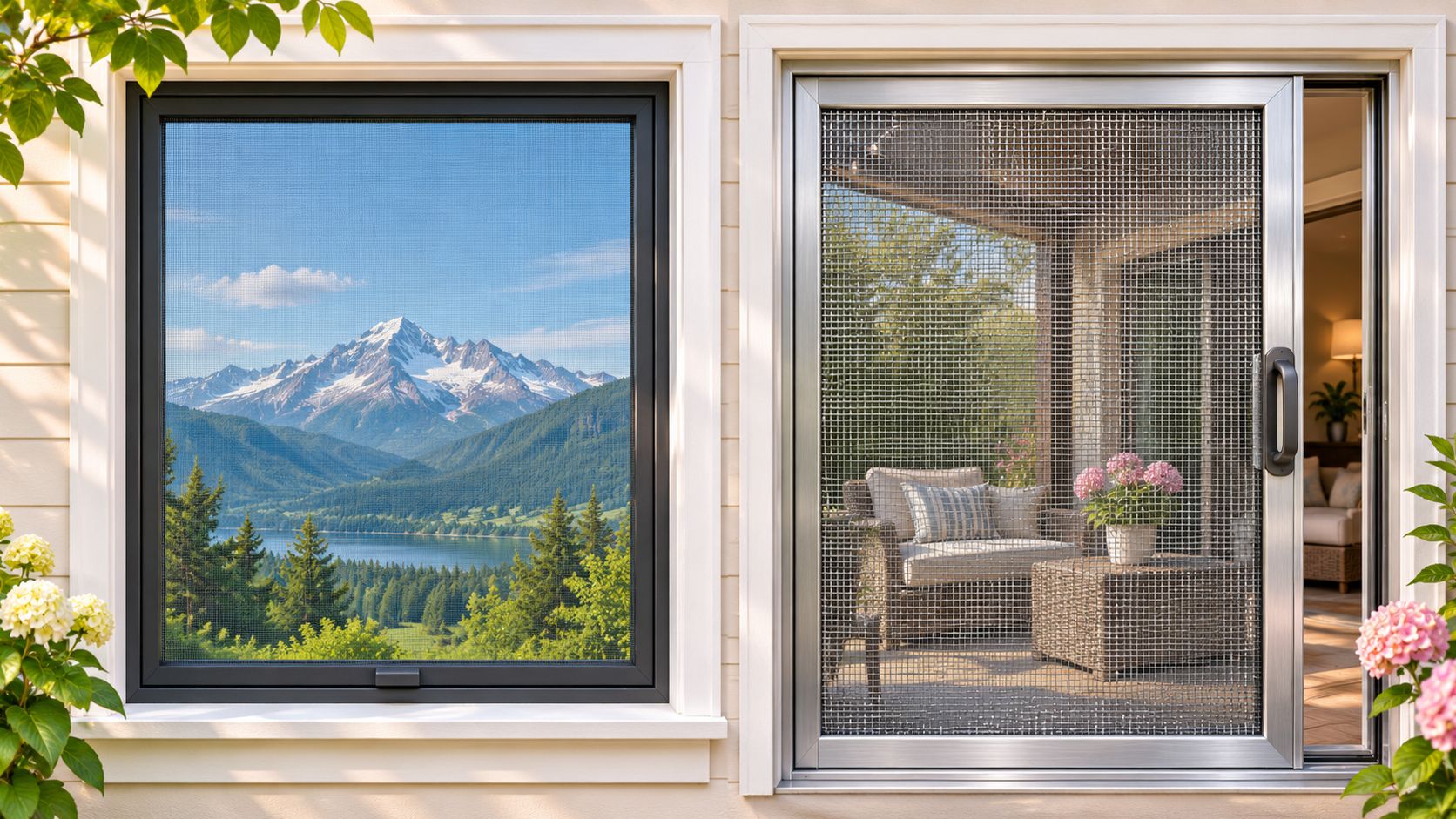
You're standing in the driveway holding a screen that has seen better days. Maybe a dog has pushed the bottom corner into a soft pouch, or the mesh on a west-facing window has gone chalky and stiff after a dozen summers of Colorado sun. Either way, the frame is fine and the decision is the same one every homeowner eventually faces. Fiberglass vs aluminum window screen comes down to what each opening in your house has to survive.
Colorado Springs, CO is a tough proving ground for screening. High-altitude sun bleaches and embrittles coatings, spring wind drives grit into the weave, summer hail arrives sideways, and the dry air preserves metal while it slowly ages plastic. That mix makes material choice a window-by-window question rather than a whole-house rule. It also shapes how professional window cleaning, exterior window washing, screen cleaning and track cleaning get scheduled through the year.
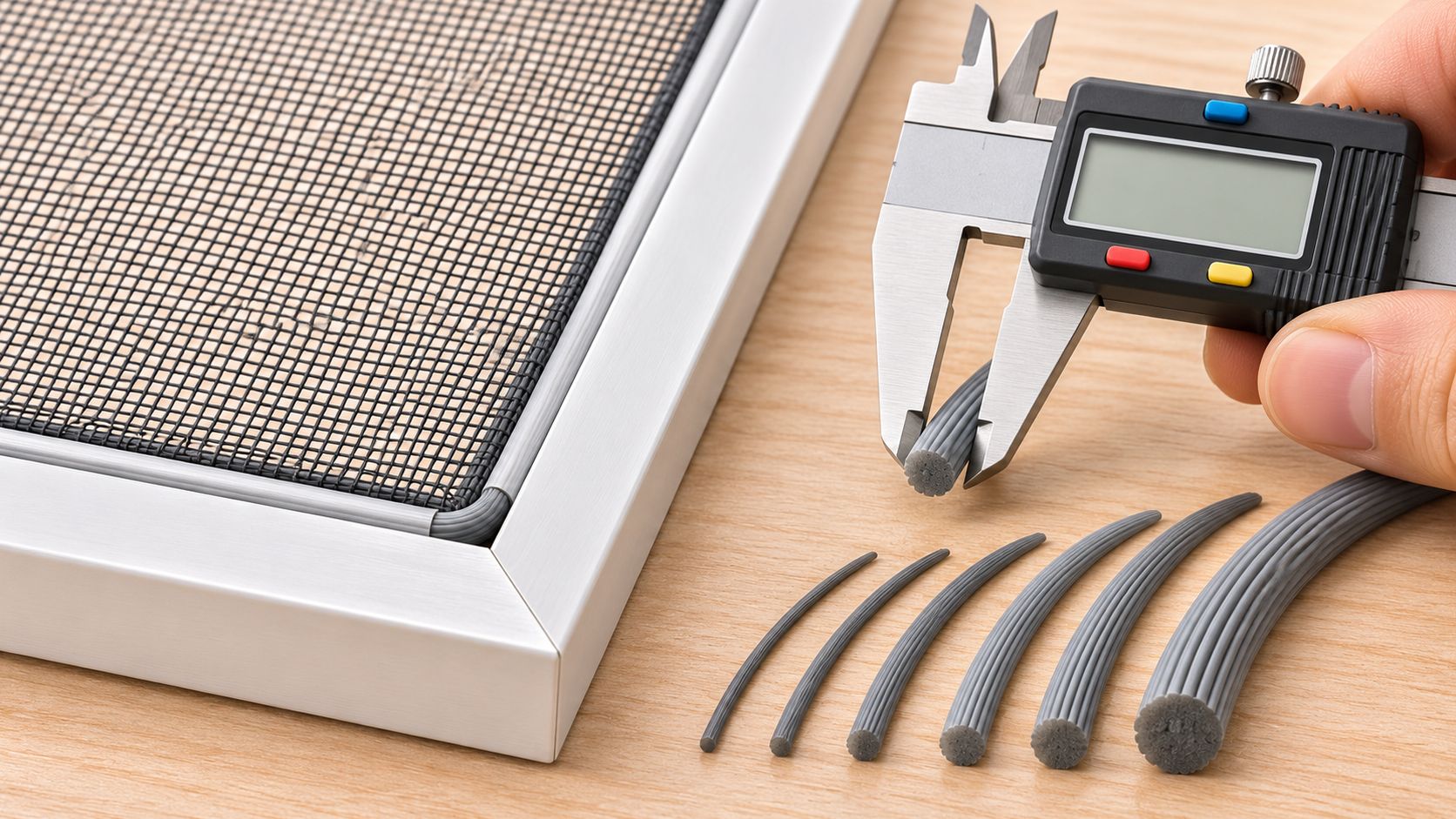
Treat a screen as a system, not a material name. Material, mesh count, strand thickness, spline and frame fit all decide how the thing performs. Get those four right and the screen fades into the background where it belongs. Get them wrong and you'll be re-screening the same window every other summer.
Fiberglass and Aluminum Screens Side by Side
Fiberglass is the flexible, lower-cost default for standard residential windows. Aluminum is the sturdier pick for doors, pet-contact windows and any opening that takes hard, repeated use.
Everything else is detail, and the table below carries it.
Fiberglass vs aluminum window screen at a glance
| Factor | Fiberglass | Aluminum |
|---|---|---|
| Typical service life | 7-15 years depending on source and conditions | 10-25 years depending on source and conditions |
| Relative cost | Lower | Higher |
| Impact resistance | Lower; can stretch or tear | Higher; can dent or crease |
| Corrosion | Does not rust | Can oxidize, especially in corrosive air |
| Visibility | Fine, flexible yarn; usually more open | Thicker wire; slightly more obstructive at the same mesh count |
| Ease of repair | Forgiving; easier to rescreen and spline | Needs careful handling to avoid creases and edge damage |
| Best fit | Standard windows and budget projects | Doors, pets, high-traffic openings and large sashes |
Two notes on reading that table.
First, the lifespan ranges are wide because real screens live in real conditions. Sun exposure, how tight the mesh was stretched at installation, whether anyone ever rinsed the pollen off, and how much impact the screen absorbs all move the number. Treat any single figure as an estimate with a margin, not a warranty.
Second, the material name is only half the decision. A cheap fiberglass mesh and a quality one behave nothing alike, and the same goes for aluminum. Mesh count, strand diameter, coating quality and color do as much work as the base material.
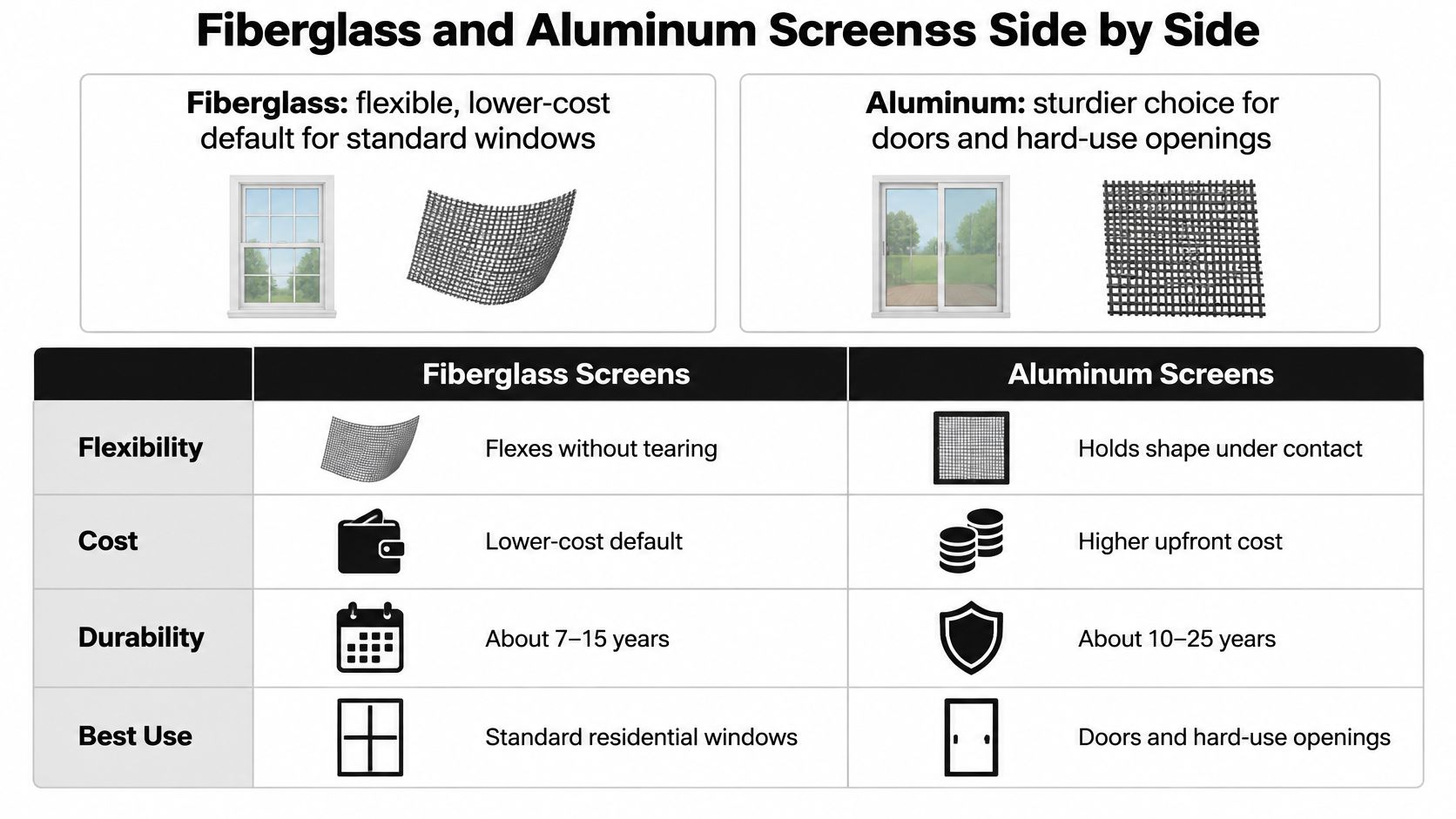
Rule of thumb: if the screen takes daily handling, pets or strong wind, lean aluminum. If it sits on a standard sash and you want a cleaner view at a lower price, lean fiberglass.
That's enough to make a call on your first window. The rest of the picture is about how long the material lasts under Colorado conditions and how mesh specification changes what you see through the glass.
How Long Each Screen Lasts in Colorado Springs
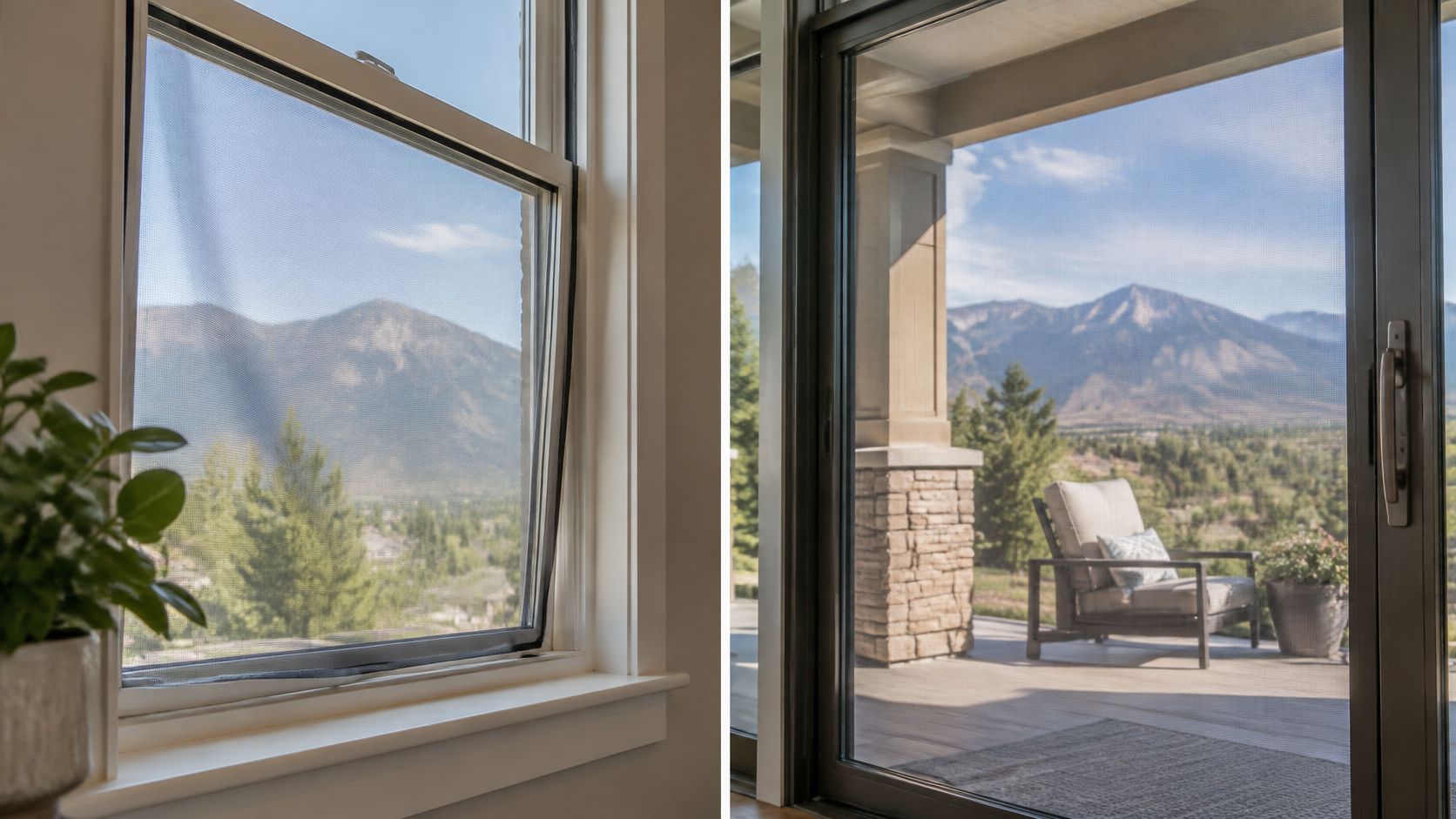
Start with the published ranges, then adjust them for where you live.
Standard fiberglass mesh is commonly reported to deliver approximately 7-15 years of service under normal residential conditions, while aluminum is often estimated at roughly 10-25 years, with performance depending heavily on sunlight, impact, maintenance, humidity and local air chemistry, according to iScreen Mesh's 2026 mesh comparison. The same comparison notes that one 2026 market guide lists tighter figures of 7-10 years for fiberglass and 10-15 years for aluminum, while another industry source puts aluminum at 20-25 years in non-corrosive settings. Those gaps aren't errors. They reflect different assumptions about sun, tension and care.
Why the numbers spread so far
Fiberglass is a glass-fiber core coated in plastic. It can't rust, it stays flexible, and it tolerates being cut, stretched and re-splined by someone with average patience. Its weak points are puncture, tearing, pet claws and repeated flexing, plus the slow sag that shows up as the coating ages.
Aluminum is metal, so it resists punctures and stretching far better. It also holds a crease forever once it takes a hard hit, and it can oxidize where air is corrosive.
What Colorado does to each material
Here the local conditions matter more than the brochure:
- High-altitude UV is brutal on the vinyl coating on fiberglass. Once that coating breaks down, the glass fibers underneath go brittle and start fraying at the edges and around the spline.
- Dry air is gentle on aluminum. Corrosion concerns that dominate coastal guidance matter far less on the Front Range, so aluminum tends to run toward the long end of its range here.
- Wind-blown grit and summer hail are the aluminum killers. Small stones and ice chunks leave dents and creases that no amount of cleaning will remove.
- Daily temperature swings work the spline loose over seasons. A screen that looks fine in July can rattle in its channel by February.
A routine that buys years
- Keep the mesh taut and seated. Run a spline roller back over any section that has lifted; a loose screen abrades against the frame and fails early.
- Rinse dust and pollen twice a year. A garden hose on a mild setting is enough. Pollen holds moisture against the weave and speeds coating breakdown.
- Replace fiberglass that sags before it tears. A sagging screen has already lost tension, and it will tear at the spline line soon after.
- Inspect aluminum corners after storms. Creases start at the frame corners, and catching a bent corner early saves the whole panel.
Judge a screen by condition, not age. Taut mesh, intact coating, a spline that still grips and a frame that sits square all point to years of life left. Chalky coating, waves in the weave or a rattle in the channel mean the clock has run out regardless of what the calendar says.
Visibility, Mesh Count and Airflow Compared
The clearer screen isn't automatically the better one. Visibility is a system property, and the material is only one input.
Mesh count is the starting reference point. An 18×16 weave uses 18 strands in one direction and 16 in the other, and published specifications place its free area at roughly 48-55%, depending on strand diameter, per JTOPtec's window screen selection guide. That's the number that governs how much light and air pass through, and it changes with wire thickness even when the count stays the same.
Why fiberglass usually looks more open
Fiberglass is built from fine, flexible PVC-coated glass yarn. Aluminum can hit the same mesh count, but it generally uses thicker wire, which produces a stiffer panel with somewhat lower optical openness. Same count, different result.
Then color enters the picture. A charcoal screen visually recedes against trees, shadowed siding and a mountain backdrop. Bare or reflective aluminum catches direct sun and announces itself. On a bright afternoon, a light metal screen can read as a gray haze across a room while a dark fiberglass one nearly disappears.
A dark, fine-strand screen on a mountain-facing window is the closest thing to invisible screening you can buy without moving to a specialty mesh.
The denser weave trade-off
Tighter weaves such as 20×20 or specialty allergen meshes catch smaller insects, but the extra strands cut airflow and daylight. That's a real cost in a room you're trying to keep cool, and it's a real benefit in a bedroom where no-see-ums are biting.
The practical split looks like this:
- Large picture window with a view: prioritize open area and a dark color. Charcoal fiberglass in 18×16 is the sensible starting point.
- Bedroom near water or heavy vegetation: a denser weave may be worth the lost light if tiny insects are the problem.
- Door or high-touch opening: accept slightly lower optical openness in exchange for a panel that stays flat under handling.
- Sun-blasted west wall: consider how much heat and glare you want to block before chasing maximum clarity.
One caution on shopping language. Claims like "nearly invisible" and "better clarity" are marketing, not measurement. Independent openness figures are scarce across the industry, so ask the supplier for the mesh count, strand diameter, coating and color in writing, then compare those four numbers instead of adjectives.
What Each Screen Costs to Buy and Install
You pull a torn screen from a second-story bedroom and the cloth looks inexpensive. It is. A 2026 comparison published by LifeRaft Construction lists fiberglass at $0.15-$0.25 per square foot and aluminum at $0.35-$0.50 per square foot.
| Material | Cost per square foot |
|---|---|
| Fiberglass mesh | $0.15-$0.25 |
| Aluminum mesh | $0.35-$0.50 |
A worked example
Take a 3 by 5 foot screen, which is 15 square feet of mesh.
Fiberglass mesh for that panel runs roughly $2.25 to $3.75. Aluminum mesh for the same panel runs roughly $5.25 to $7.50. That is mesh only, before a spline roller comes out of the truck.
On one window the gap is a couple of dollars. Across a house with 20 screens, material cost is still small enough that it should not decide the job by itself. Labor, frame condition, and how the screens are reached usually matter more.
Where the real money sits
Mesh is one line on the invoice. The frame, the spline, removal, reinstallation, and the time to seat the cloth flat make up the rest. On a small job, labor can easily cost more than the mesh by a wide margin.
Fiberglass is typically cheaper than aluminum for the same opening. The gap depends on mesh count, strand thickness, and whether the existing frame still holds a tight spline groove. A heavier aluminum weave costs more per foot. A sprung or chewed-out frame can cost more than either cloth.
Cost per year, not cost per panel
A cheaper screen that needs replacing sooner can cost more over 15 years than a pricier one that holds. Divide the installed cost by the years you realistically expect, then compare that number. For a pet-contact door, aluminum usually wins that math. For upper-floor windows nobody touches, fiberglass usually does.
Ask for a line-item quote: mesh, spline, labor, and removal listed separately. That is how you compare two bids fairly, and it is the format what new window screens cost breaks down in more detail.
Cultivate House Detailing offers up-front pricing, so the number on the estimate is the number on the invoice.
If the frame is square and the spline channel is sound, match the cloth to the wear: fiberglass where hands rarely touch it, aluminum where they do. If the frame is bent or the groove will not grip, price a new frame before you argue over pennies of mesh.
Choosing the Right Screen for Your Home
Most homes need a mix, not a single answer. Match the material to the room and the wear it receives.
Screen material by home situation
| Home situation | Better choice | Why |
|---|---|---|
| Standard double-hung windows on a budget | Fiberglass | Lighter, flexible and easy to rescreen |
| Home with dogs or cats that climb screens | Aluminum | Resists claws, tears and stretching better |
| Large picture window with mountain views | Charcoal fiberglass, 18×16 | Fine yarn and dark color keep the view clear |
| Entry or patio door used every day | Aluminum | Rigid frame holds a flat plane under daily use |
| Damp spots such as sprinkler-side windows | Fiberglass | Does not rust |
| Homes with active children or high-impact yards | Aluminum | Better puncture resistance, though it can dent |
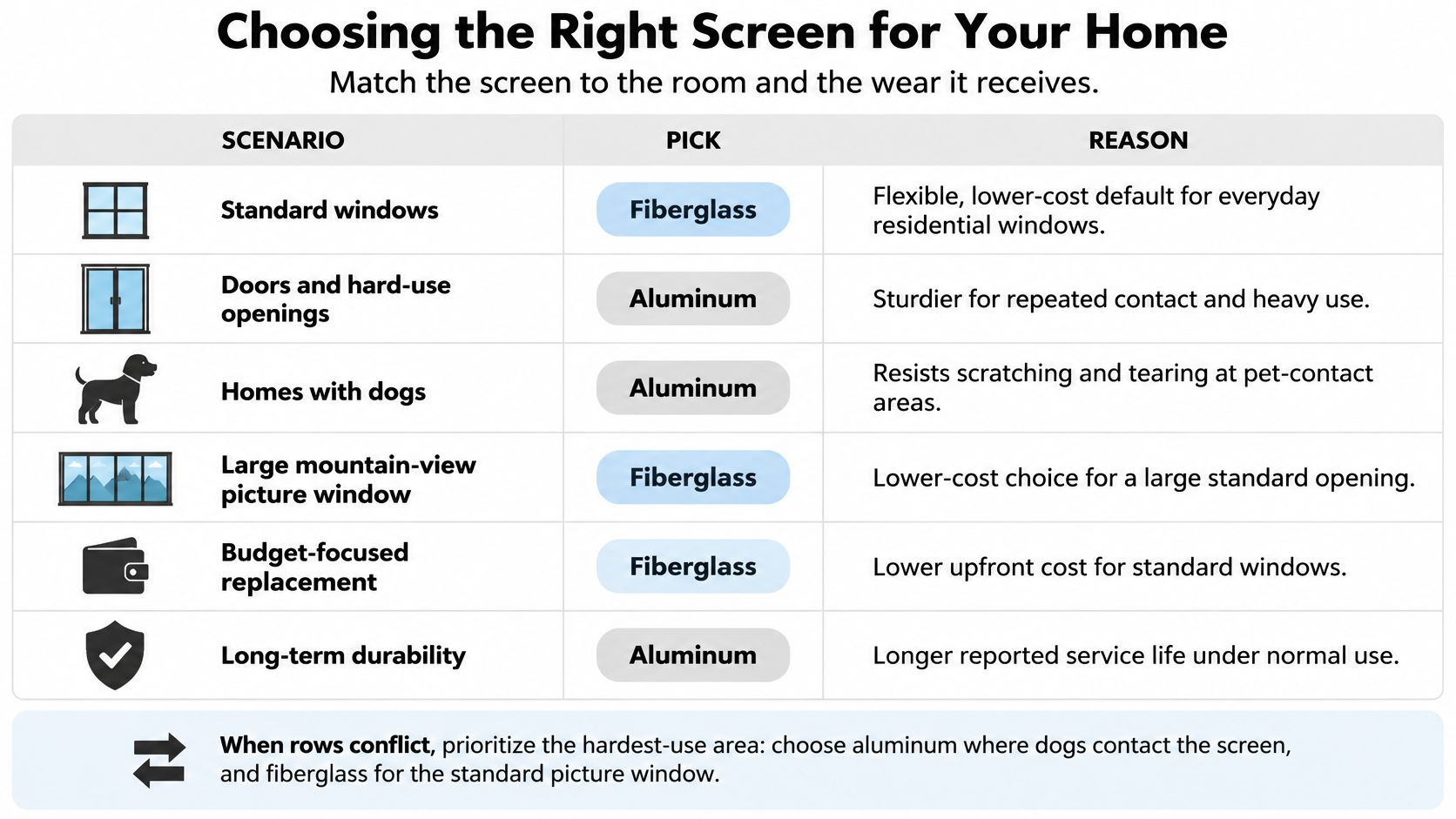
When two rows conflict
A house with two retrievers and a big mountain-facing picture window hits both aluminum and fiberglass on the table. Settle it by function. Put aluminum where the dogs make contact, typically the patio door and any low windows they jump at, and charcoal fiberglass on the large upper windows where view and daylight matter most.
That's not a compromise. It's the correct answer for that house.
A five-step decision checklist
- Measure each opening and check for square. A frame that's out of square by a quarter inch will fight a rigid aluminum panel and pull a fiberglass one crooked.
- Note pets, children and foot traffic at each window. Walk the house room by room rather than guessing from memory.
- Decide whether view or toughness comes first for that specific opening. Be honest about which windows you look through.
- Check exposure to sprinklers, damp corners or irrigation overspray. Repeated moisture is the one condition where fiberglass has a clear edge over metal.
- Confirm mesh count, strand diameter and color with the supplier in writing. Two screens with the same count can have different open areas and different brightness.
Mixed sets are normal
Different materials on different windows are common and entirely sensible. Each window gets the screen that fits its use, and the house performs better as a whole than it would with one material repeated everywhere.
If you want a second opinion on porch and door screening specifically, these screen picks from South Mountain Window Cleaning walk through the outdoor applications where material choice gets the most scrutiny.
The best set isn't the one material you like most. It's the one matched window by window.
Impact, Upkeep and Repair or Replace
Screens fail in visible ways if you know what to look for. Sagging mesh, a spline that has popped out of its channel, a tear at a corner, or aluminum that has gone dull and pitted all mean the panel needs attention.
How each material handles a hit
Fiberglass bends, stretches and can tear when it meets pets, sharp objects or repeated handling, but it generally doesn't hold a permanent crease, as Window Screen Guys explains in its fiberglass and aluminum comparison. Aluminum is more rigid and resists punctures, tearing and stretching better, which makes it the stronger choice for high-traffic windows. The tradeoff is that aluminum dents, kinks or holds a crease permanently after a hard strike or a careless removal.
Real situations map onto that cleanly. A dog launching at a screen door every afternoon destroys fiberglass and merely marks aluminum. A child leaning on a sill bows fiberglass into a permanent wave and leaves aluminum creased. Hail and windblown debris after a Front Range storm dent aluminum panels and punch holes through aged fiberglass.
The cleaning routine for both
- Remove the screen and vacuum loose debris from the mesh and the frame channel. Dry debris is easier to lift than wet.
- Wash with mild soap and a soft brush, working in the direction of the weave rather than scrubbing across it.
- Rinse thoroughly and let it dry completely before reinstalling, so moisture doesn't sit trapped against the frame.
- Check the spline and corners while the screen is out. This is the moment to catch a lifted spline before it becomes a tear.
Our exterior service includes cleaning window screens and wiping down exterior frames, so if the screens are already coming out for a wash, they get checked at the same time.
Repair or replace
Work through four questions in order:
- Is the frame straight? A bent frame won't hold tension no matter how good the mesh is.
- Is the mesh intact? Small holes and pulled splines are fixable. Broad areas of chalky, brittle mesh are not.
- Did pets or impact cause the damage? Damage patterns tell you whether the replacement should be a stronger material.
- Does the screen still fit its sash? A frame that has warped will rattle and let insects past the edges.
The answers point to a clear path. A small tear or a loose spline means rescreening the same frame. A permanently creased aluminum frame means replacement. Sagging fiberglass across several windows usually means replacing the set, because the coating has aged out everywhere at once.
Window screen repair covers replacing screen mesh and handling many other screen issues, so a bent corner or a stubborn spline doesn't automatically mean a new panel. For anyone weighing a DIY rescreen, these do-it-yourself screen tips cover the tools and tensioning that trip up first-timers, and Pine Country's screen installation advice is a useful reference for getting a frame seated properly.
Screen performance depends on strand diameter, frame design, spline fit and installation quality. Material alone never tells the whole story.
What to Expect When You Request a Screen Quote in Colorado Springs
Getting a screen quote shouldn't feel like a mystery. Here's how the process runs when you work with us.
Step one, send the details
Send the window count, rough sizes, the material you're leaning toward, and a few photos of any damage. Photos of a torn corner or a bent frame save a trip and get you a more accurate number on the first pass.
Step two, get it in writing
You'll receive a written quote that lists mesh, spline, labor and removal separately. If you're comparing bids, that structure lets you line them up item by item instead of guessing why one total is higher.
Step three, confirm the specification
Before any work starts, confirm the mesh count, strand diameter and color. This is the step that decides whether the finished screens match the view and airflow you were picturing. It takes two minutes and prevents a whole-house disappointment.
Step four, combine the visit
Ask to fold in window cleaning, screen cleaning and track cleaning on the same trip. Residential window washing pricing typically includes removing any bug screens, cleaning them and re-installing them, so combining the work is usually the efficient route.
Step five, walk the results
Review the finished windows and screens with the crew before they leave. Point out anything that looks off while the ladders are still up, not a week later.
Exterior window cleaning and interior window cleaning, screen cleaning and track cleaning are the core services here, and screen repair can be added to the scope. If you're also weighing outdoor enclosure options for a porch or patio, Homestead outdoor screening from Home Direct Blinds is a solid reference for how zippered systems are built and what they cover. If you've been typing window cleaning near me into a search bar at ten at night, this is the part where that search turns into a scheduled visit.
Cultivate House Detailing handles residential and commercial window cleaning across Colorado Springs and nearby communities, and screen repair is part of the work, from replacing mesh to fixing frames that no longer sit right. If your screens are sagging, torn or just past their prime, the crew can clean the glass, clean the screens and get the tracks wiped down in the same visit. Visit Cultivate House Detailing to request a free quote and let the team plan the next step for your windows.