You’re probably looking at your roofline, your trees, and that box of tangled lights in the garage, doing the same math a lot of homeowners do every year. It would be nice to have the house look festive. It would also be nice not to spend a cold weekend on a ladder dealing with burnt-out bulbs, loose clips, and extension cords that somehow never reach where you need them.
That tension is exactly why christmas light installation denver co searches spike every holiday season. Homeowners want the polished look. They just don’t want the stress, the risk, or the trial-and-error that usually comes with doing it themselves.
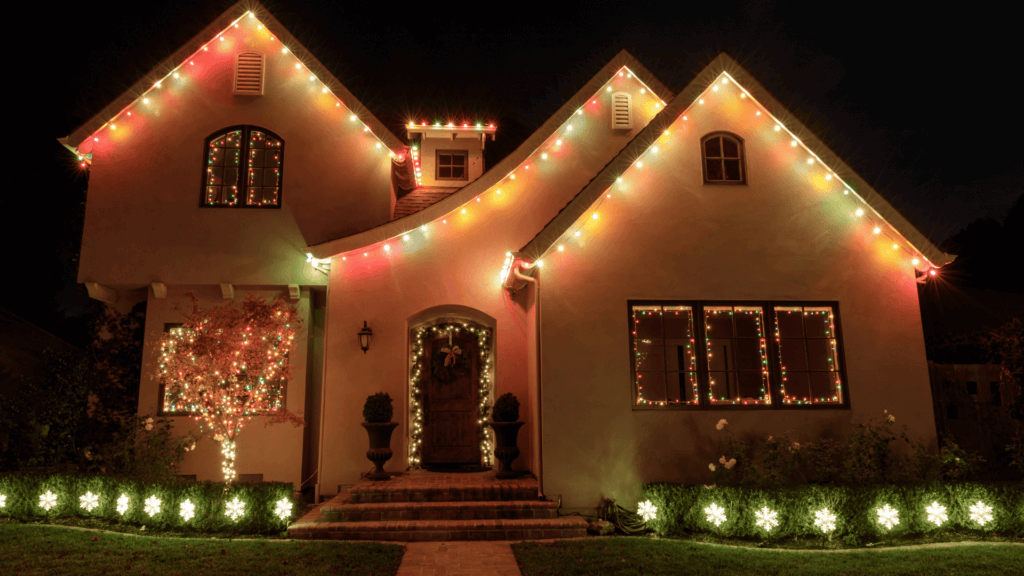
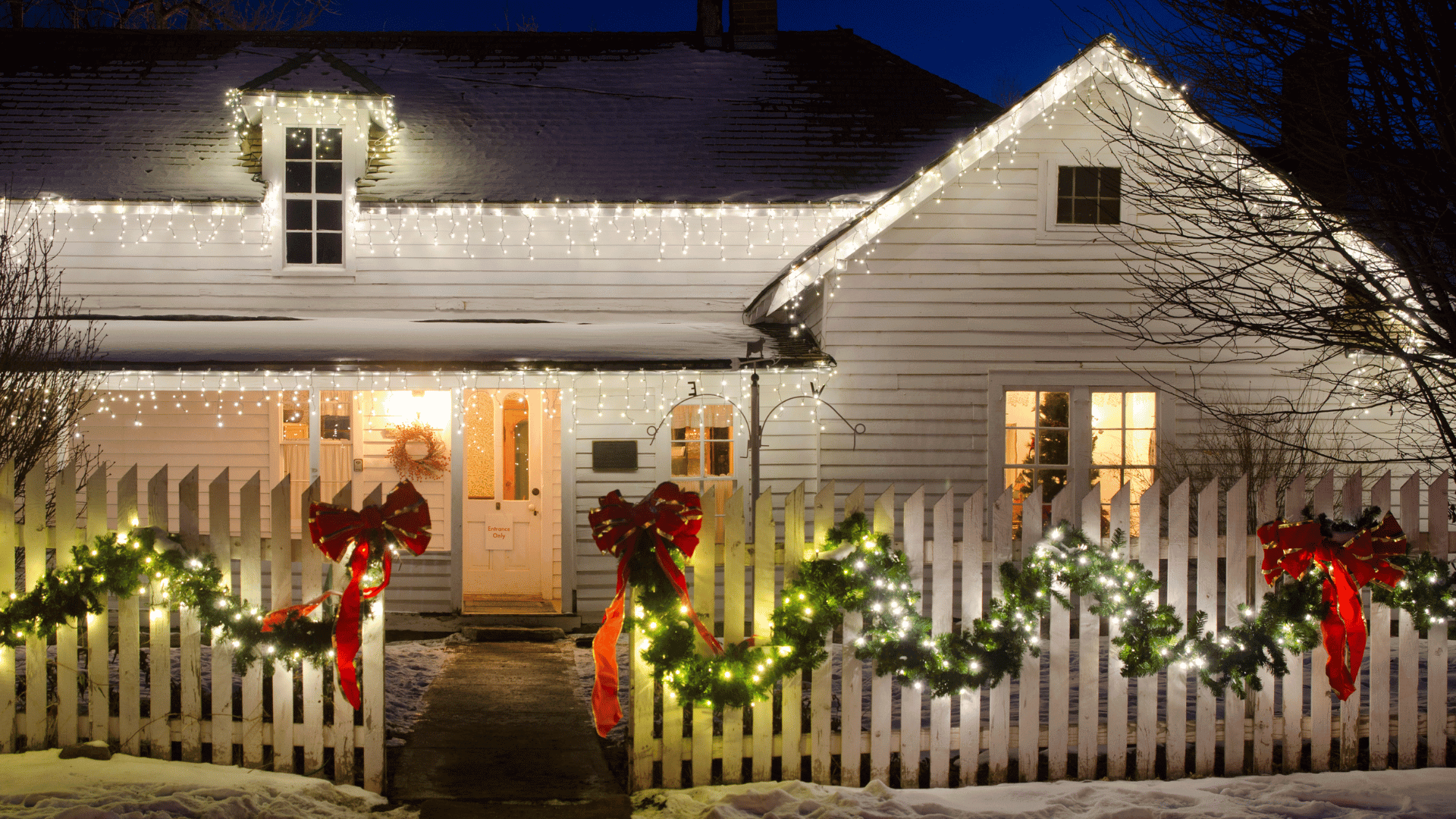
Denver adds its own twist to the decision. Some homes need a clean, classic roofline that fits an older neighborhood. Others look better with bold lines, wrapped trunks, and lit entryways that match newer architecture. Either way, the goal is the same. You want lights that look intentional in daylight, sharp at dusk, and dependable through winter weather.
Bring Holiday Magic to Your Denver Home Without the Hassle
A good holiday display changes how a house feels. The roofline looks cleaner. The front entry feels warmer. Trees and shrubs stop disappearing into the dark and start framing the home instead. Even a simple design can make the whole property look more put together.
In Denver, that tradition has deeper roots than most homeowners realize. Denver is the birthplace of colored outdoor holiday lighting. In 1914, local electrician David Dwight Sturgeon dipped bulbs in red and green paint and strung them outside his family home to cheer his sick son. Sturgeon Electric is still operating in Denver more than 110 years later, according to The Denver Gazette’s history of holiday light installation in Denver.
What homeowners usually run into
Most DIY displays don’t fail because the homeowner lacks effort. They fail because exterior holiday lighting is more detailed than it looks.
- Tangled materials: Lights that worked last year suddenly have dead sections, mismatched colors, or damaged plugs.
- Hard-to-reach areas: Peaks, dormers, second stories, and garage gables take more time and confidence than expected.
- Uneven results: Spacing looks off, clips don’t sit right, and lines sag once the weather shifts.
- Winter timing: A clear Saturday can turn into an icy install window by Sunday morning.
Practical rule: If a display requires roof access, ladder repositioning, and outdoor power planning, it’s no longer a quick weekend task.
What professional service changes
A professional install transforms a messy seasonal chore into a planned exterior service. The design fits the architecture, the lights are mounted with purpose, and the setup is built for the conditions the property faces.
That matters in Denver neighborhoods where home styles vary so much. A historic-looking home often calls for restraint. A newer façade can handle stronger lines and a more layered look. The best displays aren’t always the biggest ones. They’re the ones that look like they belong on the house.
Temporary Holiday Lights vs Permanent Architectural Lighting
Most homeowners start with one question. Do you want lights just for the season, or do you want a year-round system that can change for holidays and events?
Both can work well. The better choice depends on how often you’ll use the lighting, how much flexibility you want, and whether you’re tired of repeating the install-and-removal cycle every year.
When temporary holiday lights make sense
Temporary lighting is still the right fit for a lot of homes. It’s familiar, it’s seasonal, and it gives you freedom to change the style from year to year.
Homeowners usually choose temporary lights when they want:
- A traditional holiday look: Roofline lighting, wrapped trees, shrubs, and entry accents just for the season
- Theme flexibility: Warm white one year, color the next
- A lower-commitment approach: No permanent hardware integrated into the exterior
- Focused use: Lighting that’s mainly for late fall and winter
Temporary setups are especially appealing if you enjoy the seasonal feel and don’t mind having the lighting removed once the holidays are over.
When permanent architectural lighting is the better fit
Permanent systems solve a different problem. They’re built to stay in place and blend into the house when they’re off. The value isn’t just holiday convenience. It’s the ability to use the system throughout the year for accent lighting, celebrations, game days, and gatherings.
A permanent option is worth a serious look if you want:
| Lighting Type | Best Fit | Main Advantage | Main Trade-Off |
|---|---|---|---|
| Temporary holiday lights | Homeowners who want a seasonal display | Classic look and yearly style flexibility | Requires recurring install, removal, and storage |
| Permanent architectural lighting | Homeowners who want year-round use | Always ready and programmable | Higher upfront investment |
For Denver homes with clean fascia lines and long roof runs, permanent lighting can be especially discreet by day and useful far beyond December. Homeowners comparing systems can look at Cultivate’s permanent lighting options to understand how these installations are typically positioned on the home.
Temporary lights are seasonal décor. Permanent lighting is part of the exterior.
What works and what doesn’t
What works is choosing the system that matches how you live.
If you love changing your display every year and only care about holiday use, temporary lighting is usually the practical choice. If you’re already tired of dealing with ladders, storage bins, and replacing sections every season, permanent lighting often feels more sensible over time.
What doesn’t work is forcing a permanent system onto a homeowner who only wants a simple December roofline, or spending on temporary installs every year when you really want push-button convenience.
Denver Christmas Light Installation Costs and Packages
Cost is usually the first practical filter. Homeowners want a nice display, but they also want to understand what they’re paying for and why one quote comes in much higher than another.
In Denver, pricing is more approachable than many people expect. According to Angi’s Denver holiday lighting cost guide, christmas light installation in Denver, CO averages $1.75 to $4.90 per linear foot, which is 30% below the national average. A typical home averages $306, while larger full-service residential packages often fall in the $400 to $1,500 range.
What drives the price
The number itself matters less than what’s behind it. Holiday lighting is usually priced from a mix of scope, access, and material choices.
The quote tends to rise when a property has:
- Long rooflines: More linear footage means more lights, clips, labor, and planning
- Height changes: Multi-story sections and steep areas take more setup and slower installation
- Outdoor features: Trees, shrubs, columns, fences, and walkways add labor and material quickly
- Custom design requests: Tight symmetry, multiple zones, or a more architectural look takes more detail
- Service inclusions: Maintenance, takedown, and storage all affect package structure
What often confuses homeowners is that two houses with similar square footage can price very differently. A simple ranch with one front-facing roofline is straightforward. A home with peaks, dormers, detached elements, and heavy landscaping isn’t.
What most full-service packages include
A true full-service package is more than hanging bulbs. It usually includes design planning, materials, installation, in-season support, and removal after the season.
A low quote can look appealing until you realize it excludes maintenance, takedown, or the actual lights.
Here’s a practical way to think about package levels.
| Package Tier | Best For | Typical Features | Estimated Price Range |
|---|---|---|---|
| Simple Roofline | Smaller homes or homeowners who want a clean look | Front roofline lighting, basic clips, standard layout | Around the typical Denver average, depending on scope |
| Classic Full Front | Homes needing more presence from the street | Roofline plus entry accents, shrubs, or select trees | Commonly within the residential full-service range |
| Full Property Design | Larger homes or high-visibility properties | Roofline, trees, shrubs, pathways, and more layered design | Often toward the upper end of the residential range |
| Commercial or HOA Display | Storefronts, associations, and larger properties | Broader design, larger coverage areas, more coordination | Commercial installs typically start higher than residential |
That package framing helps homeowners compare quotes more fairly. If one company includes materials, maintenance, takedown, and storage while another quote only covers installation day, those aren’t equal offers.
A few Denver-specific trade-offs
Denver homes create some unique pricing differences. Historic-style properties may need a lighter touch and more selective placement to keep the display tasteful. Newer homes often have long, dramatic rooflines that look great lit up but require more footage and cleaner alignment. Trees can also become a major variable. Wrapping a single focal tree is one thing. Lighting several mature trees changes the labor plan fast.
If you want to dig deeper into local pricing logic, this Denver holiday lighting cost page from Cultivate gives a useful framework for comparing scope and package value.
What to ask before you approve the quote
Before booking, ask three simple questions:
- Does this include the lights and mounting materials?
- If a section goes out mid-season, who fixes it?
- Who handles takedown and off-season storage?
Those answers usually tell you whether you’re buying a polished service or just paying someone to hang lights once.
The Professional Installation Process From Design to Takedown
A smooth holiday lighting job feels organized long before install day. The best projects don’t start with a ladder. They start with a clear plan for the house, the power layout, and the final look from the street.
Design starts with the architecture
The first step is deciding what deserves emphasis. Some homes look best with a simple roofline and entry outline. Others need the garage peak balanced with a front gable, or a dark corner softened with wrapped trunks or shrub lighting.
A good design accounts for more than curb appeal. It also considers where cords will run, how clean the lines will look in daylight, and whether the house can support the scope without visual clutter.
A practical consultation usually covers:
- Roofline priorities: Front-facing edges, peaks, dormers, and entry lines
- Outdoor focal points: Trees, shrubs, columns, walkways, or porch details
- Color preference: Warm white, color, or a mix depending on the style of home
- Power access: Outdoor outlets, timer placement, and cord routing
Scheduling matters more than homeowners expect
Holiday lighting is one of those services where waiting too long reduces your options. The best scheduling windows go early because installations have to happen before weather and the holiday rush create bottlenecks.
A straightforward scheduling process should answer two things quickly. First, when the install can happen. Second, what happens if weather changes the plan.
Book early if your home has a more complex roofline. The trickiest properties usually need the most scheduling flexibility.
What happens on installation day
Install day should feel methodical, not rushed. The crew confirms the plan, stages materials, protects the work area, and installs the display section by section. Roofline lights are aligned for even spacing. Tree wraps are kept consistent. Cords are tucked and routed to avoid the patchwork look that makes many DIY setups feel unfinished.
For homes with difficult access, the process may involve more than basic ladder work. Some properties need different equipment or a slower pace to keep both the crew and the home protected.
Support during the season
Good service doesn’t end after the timer is set. Bulbs can fail. A clip can loosen. Weather can shift a section that looked perfect on day one.
That’s why maintenance matters. Homeowners should know who to call if something changes and whether the company handles repairs during the display period.
Takedown and storage
Removal is usually the most underrated part of the service. Taking lights down safely in winter conditions can be just as inconvenient as putting them up.
Professional takedown should include careful removal, organization, and a storage approach that prevents next year’s install from starting with a tangled mess. That’s one of the biggest differences between a one-day installation service and a true seasonal program.
Why Pro Installation is the Safest Choice for Your Home
Holiday lighting looks simple from the ground. It isn’t simple once you add roof pitch, icy surfaces, outdoor power, and the pressure to finish before weather turns.
That’s where DIY gets risky fast, especially in Colorado conditions where a dry afternoon can become a slick roof by evening.
Ladder safety isn’t optional
Professional crews don’t just “use ladders carefully.” They work from specific safety standards. According to Paintcraft’s overview of Denver holiday lighting safety, pros follow OSHA’s 4:1 ladder angle rule and NEC Article 590 for temporary wiring. That matters because falls account for 40% of ladder-related accidents, and electrical overloads are responsible for 15% of holiday fires nationally.
For homeowners, the practical takeaway is clear. A ladder set at the wrong angle on cold concrete or an icy driveway can slip before the first clip is even installed. Add awkward reaches near gutters or second-story peaks, and the risk goes up quickly.
Electrical safety matters just as much as fall safety
A lot of lighting problems are power problems. Homeowners overload circuits, use the wrong extension cord outside, or make exposed connections that hold moisture.
Professionals typically manage this by planning power runs, using weather-appropriate connections, and avoiding the messy daisy-chained setups that often cause failures. If you want a good general reference on protecting outdoor electrical joins, Products for Automation's guide explains the fundamentals of waterproof electrical connections in a clear, practical way.
Moisture doesn’t need a dramatic opening. One weak outdoor connection is enough to create repeated outages and a lot of frustration.
A short demonstration helps show how much setup and safety planning go into even a straightforward exterior install.
Denver homes add real complexity
Not every home is a basic one-story roofline. Some properties have steep sections, varied elevations, detached garages, tile details, or architectural features that don’t forgive rushed mounting. Wind, snow, and freeze-thaw cycles can expose weak clips and poor cord routing fast.
That’s why experienced installers think about more than the day of the install. They think about what happens after the first cold snap, after a windy night, or after snow sits against the roof edge.
Why insurance and process matter
A homeowner should never assume every installer carries the same level of protection or follows the same process. Before anyone climbs on your house, ask whether they’re insured and what happens if there’s property damage or an injury on site.
This is also where provider fit matters. Some exterior service companies, including Cultivate House Detailing, handle holiday lighting as part of a broader ladder-based exterior service mix, which can be relevant for homes that also need roofline access, gutter attention, or other seasonal exterior work. The key is not the sales pitch. It’s whether the company has a disciplined safety process and can explain it clearly.
A Homeowner's Checklist for Choosing a Denver Light Installer
Not every installer who offers holiday lighting operates at the same standard. Some run a structured service with quality materials, clear communication, and maintenance support. Others hang lights, collect payment, and disappear when a section fails.
If you’re comparing providers for christmas light installation denver co, use a checklist that goes beyond price.
Ask what kind of lights they actually use
Material quality affects the look, reliability, and safety of the display. According to Shack Shine’s Denver holiday lighting guide, commercial-grade LEDs have a lifespan of 50,000+ hours, last ten times longer than incandescent bulbs, reduce electricity costs by up to 90%, and operate at much lower temperatures.
That tells you two things. First, commercial-grade LEDs are a durability choice. Second, they’re a safety choice.
Ask directly:
- Are the lights commercial-grade LEDs or basic retail strings?
- Are the clips and mounting methods meant for exterior seasonal use?
- Will the display look clean during the day, not just at night?
Verify insurance and service scope
A legitimate installer should be able to explain their coverage and their service boundaries without hesitation.
Look for clarity on:
| Checklist Item | Why It Matters |
|---|---|
| Liability and workers’ compensation | Protects the homeowner if something goes wrong on site |
| Multi-story experience | Shows they can handle height and access challenges |
| Maintenance policy | Tells you what happens if lights fail or shift mid-season |
| Takedown and storage | Prevents confusion after the holidays |
| Written scope | Reduces surprise charges and mismatched expectations |
Review their local presentation
You can learn a lot from how a company presents itself online. A polished, current business profile doesn’t prove quality by itself, but it does show whether the company pays attention to details, updates its service information, and makes it easy to verify who they are.
If you want to know what a strong local business profile looks like, this GBP optimization guide for remodelers is useful even outside remodeling. The same principles apply when you’re checking photos, reviews, service descriptions, and general professionalism.
If a company is vague online, vague in quoting, and vague about materials, expect the install experience to feel the same way.
Ask how they handle Denver-specific conditions
Homeowners often overlook the most important questions. Don’t just ask if they install lights. Ask how they install them on your kind of home.
Good vetting questions include:
- How do you handle steep roof sections or second-story peaks?
- What mounting method do you use on gutters, fascia, and trim?
- What happens if snow or wind shifts part of the display?
- Do you service the lights during the season?
- How early should I book to get the schedule I want?
The strongest installers answer these calmly and specifically. Weak installers answer in generalities.
What usually works best
The best hiring decision usually comes from balancing four things. Clear scope. Good materials. Safe process. Dependable follow-through.
Price still matters, but the cheapest quote can become the most expensive option if the lines sag, sections go dark, or no one returns your calls after install day.
Frequently Asked Questions About Holiday Light Services
A few practical questions tend to come up near the end of the decision process. Here are the ones homeowners ask most often.
Common questions and straight answers
| Question | Answer |
|---|---|
| When should I schedule holiday lighting? | Earlier is better, especially if your home has multiple roof sections or you want a prime installation window before the seasonal rush. |
| Do I need to provide the lights? | That depends on the installer and the package. Many homeowners prefer a full-service setup so the materials, design, install, and removal are handled together. |
| Can lights be installed on trees, shrubs, and walkways too? | Yes, if the design and budget allow for it. A lot of displays look better when the roofline is paired with one or two landscape elements instead of stopping at the gutters. |
| What if a section stops working during the season? | Ask this before booking. Some providers include in-season maintenance, while others treat repairs as a separate service call. |
| Do holiday lights have to come down right after Christmas? | Not necessarily. Many homeowners leave them up through the broader winter holiday season, then schedule takedown once they’re ready to move on. |
| Is permanent lighting better than seasonal lighting? | It depends on how often you’ll use it. Seasonal lighting is great for a classic once-a-year display. Permanent lighting makes more sense for homeowners who want year-round flexibility. |
Questions worth asking if you’re still comparing companies
Some uncertainty isn’t about the lights. It’s about whether the company feels established and organized enough to trust with your home.
A quick way to judge that is to look at how trades businesses present their services online. This website inspiration for trades businesses is a helpful reference if you want to compare what a clear, service-driven online presence looks like before you reach out for quotes.
The simplest way to avoid surprises
Ask for the full service flow in plain language.
That means:
- What’s included in the quote
- When the install happens
- Who handles maintenance
- When takedown is scheduled
- Whether storage is part of the service
A solid holiday lighting company should be able to explain the whole job clearly in a short phone call.
If they can’t do that, the install itself may not be any clearer.
Light Up Your Holidays with Cultivate House Detailing
A polished holiday display should feel fun, not stressful. When the design fits the house, the lines are clean, and the installation is handled safely, you get the part that matters. A home that looks festive, welcoming, and finished throughout the season.
That’s why professional holiday lighting makes sense for so many homeowners. You skip the garage bin frustration, the ladder work, and the mid-season troubleshooting. In return, you get a display that’s planned for your property instead of improvised on install day.
For Denver-area homeowners comparing options, the right service should be straightforward. Clear pricing. Good materials. Safe installation practices. Reliable follow-through from design to takedown.
If that’s what you want this season, it’s worth starting the conversation before the calendar fills up and the best installation windows narrow.
If you want a clean, safe, and well-planned holiday display, contact Cultivate House Detailing to request a quote and talk through options for your home.