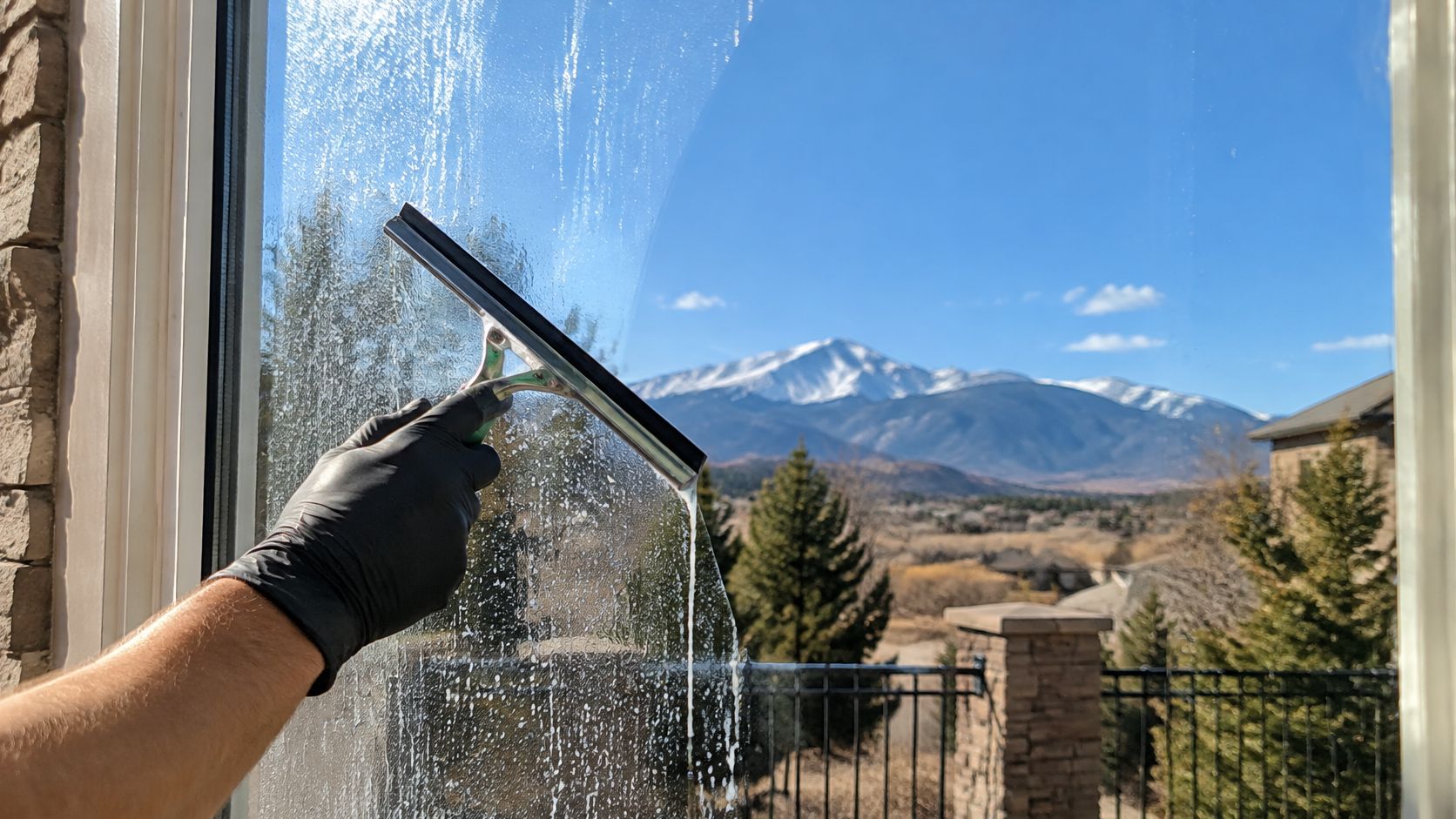
A customer is walking toward your storefront, and the afternoon sun catches every streak across the glass. There are white rings near the sprinkler line, fingerprints around the entrance, and wind-blown grit in the tracks. Before anyone meets your team, they've already noticed how the property looks.
Window cleaning in Colorado Springs, CO, works best with a plan, not just an occasional wipe-down. Strong altitude sun makes residue obvious, while wind, irrigation spray, hail, and freeze-thaw conditions create different maintenance needs throughout the year. The same concerns apply whether you manage a dealership, run a neighborhood restaurant, or maintain a home-based office.
At Cultivate House Detailing, we approach local property care with attention to access, surface condition, and clear communication. These commercial window cleaning tips will help you choose a sensible schedule, understand what professional work should include, and avoid paying for repeated cleaning when the underlying problem needs a different fix.
1. Set a Cleaning Schedule Based on Your Building's Exposure
A busy storefront and a sheltered office shouldn't automatically follow the same schedule. Walk around your building and compare the entrance glass with the quieter elevations. Look for road dust, fingerprints, nearby kitchen exhaust, irrigation spray, and landscaping work.
Monthly or quarterly visits are common purchasing patterns in commercial window maintenance, according to Dataintelo's commercial janitorial services market analysis. Treat those intervals as starting points, not promises that every pane will stay equally clean.

Schedule by Elevation, Not Just Address
Say you manage a retail space on a busy Colorado Springs corridor. The entrance might need monthly attention, while protected office windows can remain on a quarterly rotation. That's more practical than cleaning everything frequently or letting the customer-facing glass become visibly neglected.
- Map the exposure: Note sunny sides, traffic-facing panes, sprinkler zones, and sheltered glass.
- Record the results: Keep cleaning dates and brief condition notes so you can adjust the schedule.
- Review seasonal changes: Nearby construction, pollen, and winter road residue can justify a temporary change.
Put the agreed scope in writing, including interior versus exterior work and any excluded areas. AurenWell's commercial cleaning contract guide is a useful reference for thinking through service agreements.
The right frequency is the one your building needs, not the busiest schedule someone can sell you.
2. Use Water-Fed Pole Systems for Safer, Streak-Free Results
Reaching upper glass from the ground can simplify a job considerably. A water-fed pole carries purified water to a soft brush, allowing the technician to loosen dirt and rinse it away without moving a ladder between every window.
Commercial pole specifications vary with construction and working height, as shown in Unger's water-fed pole equipment guidance. The important question is whether the equipment suits the actual glass height and site layout, not whether the brochure advertises an impressive maximum reach.
Practical rule: Purified water prevents mineral spotting only when the glass has been properly scrubbed and thoroughly rinsed.
For a multi-tenant office, ground-based cleaning may avoid placing ladders beside occupied entrances. It won't automatically eliminate access restrictions, though. Hoses still need controlled routes, and overhead electrical lines, landscaping, wind, and uneven ground can limit pole use.
Our method uses highly purified water for high exterior glass, with the cleaning approach matched to the window material. Tinted glass, historic wooden frames, and modern vinyl fixtures shouldn't all receive identical treatment.
Before the visit, move vehicles and patio furniture away from the work area. In Colorado Springs, allow flexibility for gusty or freezing conditions, and don't mistake pure-water cleaning for hard water stain removal. Existing mineral deposits may need separate treatment before a routine rinse can deliver a clear finish.
3. Treat Hard Water Stains Early
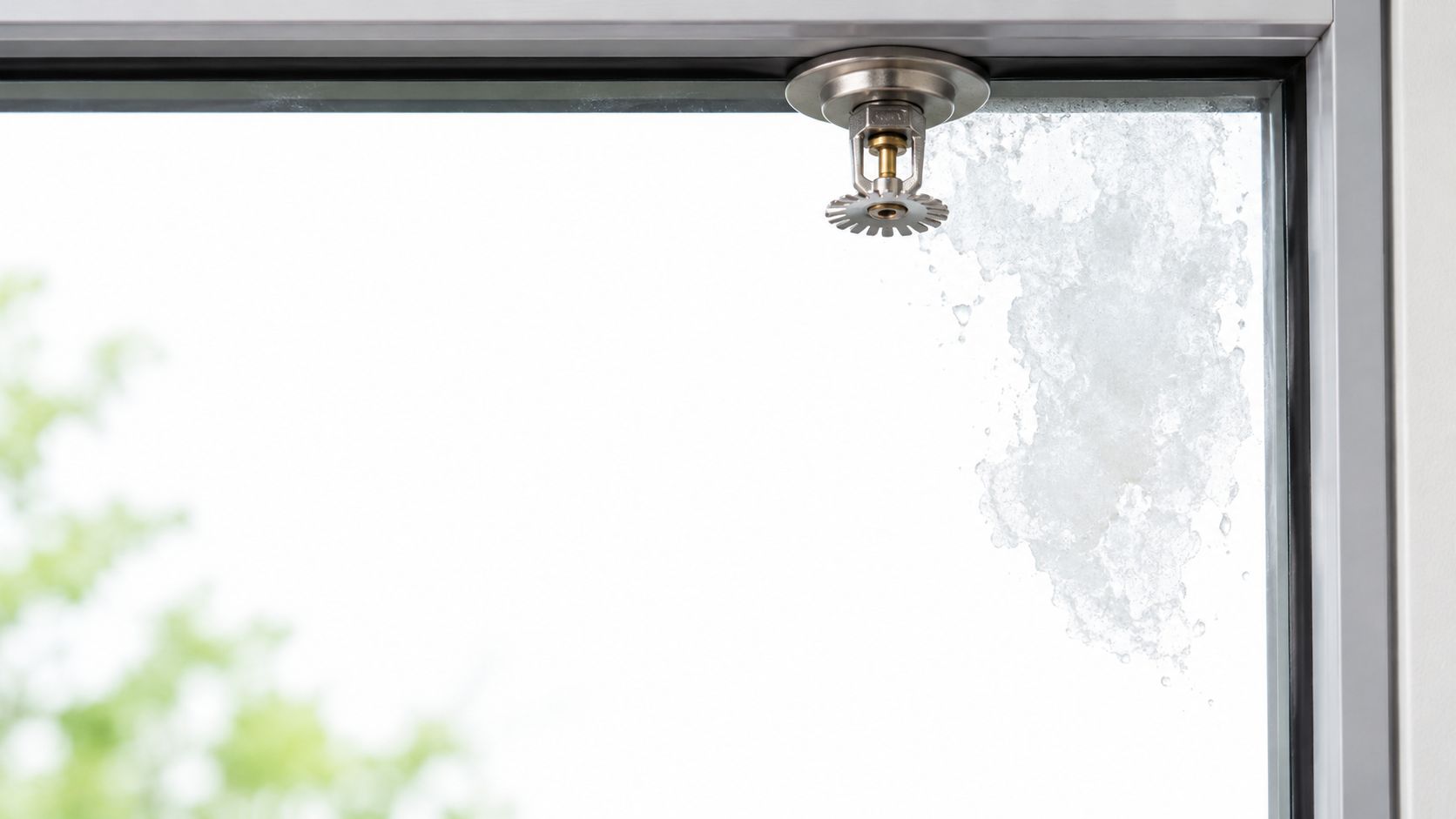
White rings that survive ordinary washing aren't necessarily missed dirt. Repeated irrigation spray can leave mineral deposits, especially along lower storefront panes. Waiting until the glass looks uniformly cloudy makes the job harder to assess and treat.
Say a strip-mall window develops spotting beside a planted island. Cleaning the pane without redirecting the sprinkler leaves the cause untouched, so fresh deposits can appear after the next watering cycle. Correct the spray pattern as well as the appearance.
Separate Deposits From Glass Damage
A mineral-removal product can loosen deposits, but it can't guarantee reversal of permanent etching. Treatment should begin with identifying the glass, checking for films or coatings, and testing an inconspicuous area with a compatible product.
Don't attack stubborn spots with an abrasive kitchen pad or an improvised razor treatment. That can turn a removable stain into a scratched pane.
- Stop repeated wetting: Redirect irrigation without altering fire-protection equipment.
- Identify the surface: Note tint, applied film, coatings, and existing scratches before treatment.
- Judge the dry result: Wet glass can hide remaining deposits and surface damage.
For a dealership near vehicle-washing activity, the same logic applies. Control overspray, treat the affected glass, and then adjust the maintenance schedule.
Colorado's strong sun makes remaining haze easy to notice. Inspect the finished pane from inside and outside rather than judging it only while it's shaded.
4. Clean Tracks, Screens, and Frames Along with the Glass
A clear pane behind a dusty screen still looks unfinished. Wind-blown grit also collects in sliding-door tracks and around operable windows, where a quick glass wash won't remove it.
The EPA's Building Assessment Survey and Evaluation overview places windows within a broader building-maintenance picture that includes ventilation and indoor conditions. A cleaning visit is a sensible opportunity to notice damaged screens, deteriorating frames, and obstructed openings, rather than treating glass as an isolated surface.

Remove Grit Before Adding Water
Vacuum loose track debris with a narrow nozzle first. Then loosen remaining dirt with a soft brush and wipe it away using a lightly damp cloth. Flooding the track can turn dust into muddy residue and send water into places you can't easily dry.
For screens, support the frame during removal, clean gently, and let it dry before reinstalling. Keep drainage openings clear instead of pushing debris into them.
Scope matters: Write screen cleaning and detailed track cleaning into the quote rather than assuming they're included with every glass wash.
Consider a restaurant preparing its patio for warmer weather. Clean screens, clear door tracks, and a check for torn mesh will make the opening look more consistently maintained than polished glass alone.
After hail, inspect accessible screens and frames for visible damage. Report bent components or difficult operation instead of forcing a window shut and treating the problem as ordinary dirt.
5. Coordinate Interior and Exterior Cleaning for a Consistent Finish
You can clean the outside perfectly and still see fingerprints, cooking film, or dusty corners from the sidewalk. Interior window cleaning and exterior window cleaning should be coordinated, even when their maintenance frequencies differ.
For a boutique preparing for weekend shoppers, an after-hours appointment can combine both sides without working around browsing customers. At a medical office, a quieter appointment window may be more appropriate, with rooms released to the crew in stages.
Workplace-lighting findings in GBCI India's Bright Workspaces report connect daylight and outdoor views with cognitive performance. That's a reason to protect occupants' access and working conditions during service, not just focus on the finished glass.
Prepare the Space Before Cleaning Starts
Move paperwork, electronics, displays, and delicate items away from windows. Protect nearby floors, keep emergency exits open, and identify rooms where privacy or uninterrupted work matters.
A sound interior technique uses a scrubber, a clean squeegee blade, and a separate microfiber cloth for edges. Repeatedly polishing a dirty pane with the same cloth tends to redistribute residue.
- Control disruption: Divide the building into manageable work zones.
- Protect sensitive areas: Move food, merchandise, and electrical items out of the splash zone.
- Maintain between visits: Remove fingerprints with a clean microfiber cloth and a glass-compatible cleaner.
Colorado Springs' bright afternoon light can also reveal glare after cleaning. Don't promise that clearer glass will solve uncomfortable lighting. Adjust blinds or workstation positioning when direct sun remains the problem.
6. Follow Safe Work-at-Height Practices
A clean window isn't worth an unsafe access decision. OSHA's ladder-fall guidance reports that falls from ladders account for more than 100 worker fatalities each year, drawing on Bureau of Labor Statistics data in its fall-prevention publication.
The practical response starts before anyone climbs. Check whether the pane can be reached from the ground, whether the surface can support the selected equipment, and whether pedestrians or vehicles could enter the work area.

Make Access Part of the Job Plan
For a multistory office beside a public sidewalk, cones alone may not provide adequate separation. The work zone needs a controlled pedestrian route, clear signage, and coordination with the property manager.
Our guide to fall protection requirements explains why access planning deserves attention. A written safe work method statement can also help organize hazards, equipment choices, and control measures before work begins.
Rescheduling during unsafe wind or icy conditions is sound job management, not poor service.
Colorado weather can change the access decision even when the glass itself looks ready to clean. Gusts affect pole control, and melting snow can leave slick surfaces beneath ladders or equipment.
Keep parking spaces and walkways clear where work is planned. Never encourage a technician to overreach, improvise a platform, or hurry through a weather change to finish before opening time. Speed belongs behind safe access, not ahead of it.
7. Plan Seasonal Maintenance and Inspections
After snowmelt, a Woodland Park storefront may need road grit removed from lower glass and frames. Before colder weather, a Monument office may need attention to leaf debris, drainage paths, and visible gaps around the window assembly.
Seasonal window cleaning should include observation, not promises of repair. A cleaner can flag cracked glass, loose caulking, damaged screens, or recurring moisture, but identifying the cause of a failed seal may require a qualified window contractor.
Match the Visit to the Season
- Spring: Remove winter residue and inspect screens before windows are used more frequently.
- Summer: Address pollen, dust, irrigation spotting, and visible damage after hail.
- Fall: Clear accumulated debris and record frame or seal concerns before freezing weather.
- Winter: Choose suitable warmer days and investigate recurring interior condensation.
The EPA's mold and moisture guide recommends keeping indoor relative humidity below 60%, ideally 30% to 50%, while drying condensation promptly. These are general moisture-management targets, not a guarantee that cold glass will stay dry in every winter condition.
Our winter process accounts for warmer working days and adjusts cleaning solution for colder temperatures when necessary. Cleaning can remove water marks, but it won't correct excess indoor humidity or a defective window assembly.
Use the commercial property maintenance checklist to keep window observations alongside other exterior tasks. For properties in Black Forest, Manitou Springs, and nearby communities, retain dated photographs and notes so the next visit builds on a clear maintenance record.
Commercial Window Cleaning Tips at a Glance
| Tip | Best For | Key Benefit | Difficulty |
|---|---|---|---|
| Set a Cleaning Schedule Based on Your Building's Exposure | Properties with varying levels of traffic, dust, or grime | Prevents buildup and makes maintenance costs predictable | Easy |
| Use Water-Fed Pole Systems for Safer, Streak-Free Results | Commercial buildings with upper-story windows | Cleans many high windows from the ground with fewer ladders or lifts | Moderate |
| Treat Hard Water Stains Early | Properties with mineral deposits or sprinkler overspray on glass | Helps prevent permanent etching and costly repairs | Moderate |
| Clean Tracks, Screens, and Frames Along with the Glass | Buildings with sliding windows, doors, or screens | Keeps windows operating smoothly and looking well maintained | Moderate |
| Coordinate Interior and Exterior Cleaning for a Consistent Finish | Businesses where customers see both sides of the glass | Creates a uniform finish while reducing visits | Easy |
| Follow Safe Work-at-Height Practices | Properties requiring ladders, lifts, or other elevated access | Reduces risks to workers, occupants, and passersby | High |
| Plan Seasonal Maintenance and Inspections | Properties exposed to Colorado's changing weather | Helps extend window life and catch issues early | Moderate |
Get Streak-Free Windows Without the Hassle
Clean windows improve curb appeal, keep displays easy to see, and help a property look cared for. In Colorado Springs, a practical maintenance routine also means addressing sprinkler overspray, clearing tracks, checking screens, and reporting damage before it goes unnoticed.
Clean glass can preserve daylight, but it does not guarantee lower energy use or solve every glare problem. The Lawrence Berkeley National Laboratory's daylighting simulation guidance considers glazing, shading, lighting controls, and heating and cooling conditions together.
Know What Your Quote Covers
When comparing options after searching for window cleaning near me, check the scope, not just the headline price. Confirm which sides of the glass are included, whether screen and track cleaning are selected, how hard water stains will be handled, and whether access conditions affect the work.
Cultivate House Detailing offers commercial and residential window cleaning up to four stories, including interior and exterior glass. Screen cleaning, track cleaning, screen repair, and hard water stain removal are available for the appropriate project scope. Commercial window washing typically starts at $100; quotes vary with the number, size, and location of the windows.
The company serves Colorado Springs, Black Forest, Monument, Manitou Springs, and Woodland Park. For a home or customer-facing business, a clear scope and a schedule suited to the property make it easier to plan window care.
Request a quote with your address, window locations, and main concerns. Mention sprinkler stains, difficult access, damaged screens, or preferred working hours so the estimate can reflect what your building needs.
Cultivate House Detailing provides window cleaning for homes and businesses throughout Colorado Springs and nearby communities. Visit Cultivate House Detailing to request a quote and plan interior, exterior, and seasonal window care around your property's needs.