A Tuesday in Colorado Springs can start with intense sun on the south-facing glass, shift to windblown grit by noon, and end with a hard freeze after a wet storm. One hailstorm can pit a newer facade, and one overnight freeze can turn minor roof ponding into an expensive leak call the next morning.
That pattern is why commercial exterior maintenance here needs a local schedule, not a generic annual checklist. Office buildings, retail centers, restaurants, dealerships, and mixed-use properties all face the same regional stress points. High-altitude UV breaks down exposed materials faster. Freeze-thaw movement opens small cracks. Snow loads and fast melt cycles test drainage. Mineral-heavy water leaves stains that become harder to remove the longer they sit.
A useful checklist sets service intervals by system and by season. Daily and weekly attention catches appearance and safety issues early. Monthly, quarterly, and seasonal work helps prevent the bigger repair bills that show up after storms, winter weather, or a neglected runoff problem. In practice, that means treating exterior cleaning and inspection as part of maintenance, not as separate cosmetic work.
For Colorado Springs property managers, the job is to match the checklist to the local climate and to the parts of the building that show stress first. Glass picks up hard-water spotting and dust fast. Gutters fill with needles and storm debris. Roof drainage struggles during snowmelt. Entry concrete gets dirty and slippery. Exterior surfaces fade, stain, and wear unevenly under strong sun and wind. A scheduled commercial window cleaning service for Colorado Springs properties is often one of the first places that routine pays off because it improves appearance while exposing seal failure, frame wear, and drainage issues at the same time.
Use the checklist below as a working plan for Colorado Springs commercial properties. It focuses on the exterior items that affect appearance, safety, tenant experience, and weather resistance most often in this climate.
1. Window, Glass, and Screen Cleaning & Inspection
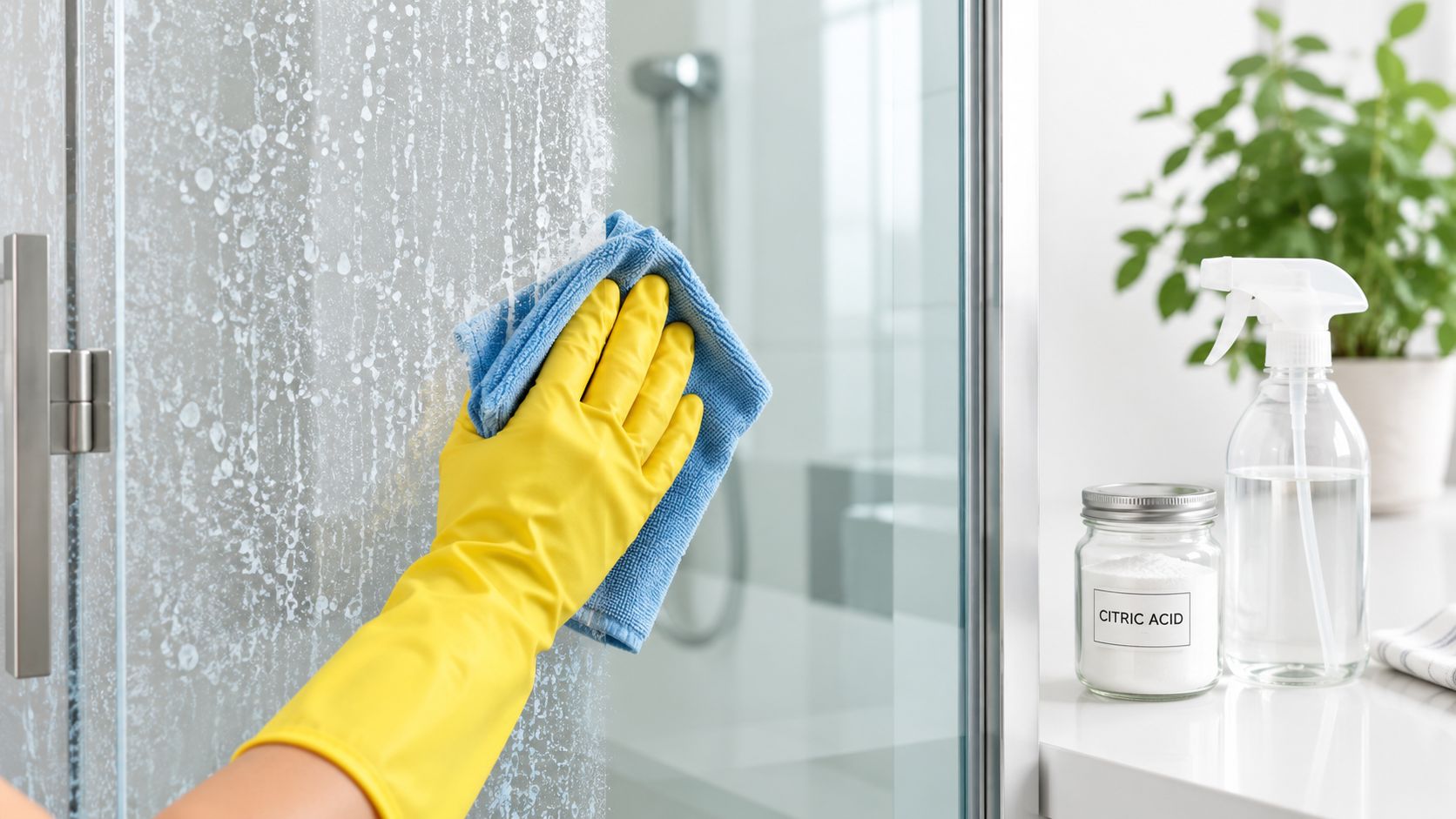
Dirty glass is rarely just an appearance issue. On commercial properties, it often signals bigger maintenance drift. Windblown grit, sprinkler overspray, hard-water deposits, torn screens, failed seals, and cracked caulking all show up first at the window line.
For Colorado Springs buildings, windows need more attention than many managers expect. High sun exposure bakes on mineral spotting and highlights every streak. Retail storefronts, auto dealerships, and restaurants feel that immediately because customers notice the glass before they notice almost anything else. Office buildings feel it differently. Staff and tenants notice reduced light, dirty sills, and neglected screens during warmer months.
What to inspect while cleaning
A strong cleaning routine should double as a condition check. That's where many teams either save money later or miss the early warning signs.
- Look for seal failure: Fogging between panes, staining at edges, or recurring condensation often points to glass unit problems.
- Check screen condition: Small tears become bigger openings quickly during windy periods.
- Watch the frames and tracks: Dirt packed into tracks holds moisture and makes windows harder to operate.
- Photograph trouble spots: Date-stamped photos help you compare recurring hard-water buildup, broken screens, or frame wear over time.
Practical rule: If the same pane keeps spotting up quickly, don't just reclean it. Check irrigation spray patterns, runoff paths, and water quality around that elevation of the building.
For many commercial sites, bi-monthly service during peak traffic seasons keeps the property presentation consistent without waiting for glass to become a problem. It also helps when a property is preparing for tenant tours, seasonal leasing activity, or a major event.
Cultivate House Detailing handles commercial window cleaning in Colorado Springs for properties that need reliable exterior upkeep, including multi-story glass that's safer to service with professional tools and water-fed pole systems.
2. Gutter Cleaning and Drainage System Maintenance
A Colorado Springs property can get through a storm with no visible issue, then show a drainage problem two days later. Water stains appear at an entry canopy. A sidewalk ices over after a daytime melt. Mulch washes out near the base of the building, or runoff starts pooling where tenants walk in every morning.
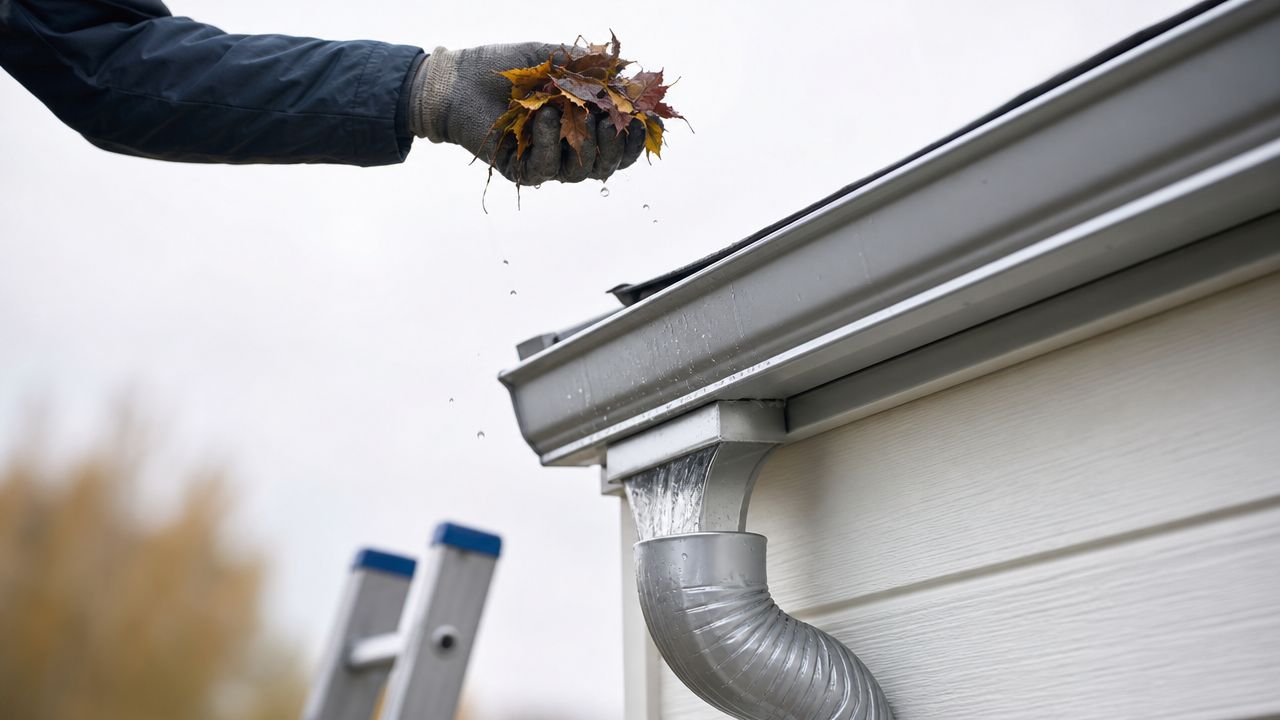
That pattern is common here because drainage systems take stress from several directions at once. High winds pack gutters with needles and grit. Hail can loosen brackets and dent troughs. Winter snow sits, melts, and refreezes, and spring runoff tests every seam, elbow, and discharge point.
Where Colorado Springs properties get caught off guard
Monument and Black Forest sites often fill up with pine needles, cones, and fine roof debris that compact inside gutters and downspout elbows. Downtown buildings and older commercial corridors tend to have tighter drainage layouts, so one blockage can push overflow right over a storefront or main walkway. In Manitou Springs and other sloped areas, runoff control matters just as much as debris removal because water picks up speed fast and can create erosion or icy patches on lower paths.
What to check is straightforward, but it needs to be done consistently.
- Before winter: Clear gutters and verify downspouts discharge away from the structure and pedestrian areas.
- After leaf and needle drop: Remove compacted debris before it dams water during the next freeze-thaw cycle.
- After hail or wind events: Inspect for dents, loose brackets, separated joints, and downspouts pulled out of alignment.
- At grade: Confirm water is not dumping beside the building, undermining the property grounds, or backing up near storm drains.
Downspout flow testing matters more than many teams expect. A gutter can look clear from above and still fail because the clog is lodged at the elbow or near the bottom outlet. On commercial sites, that missed blockage usually shows up as staining, slippery concrete, or repeated ponding in the same area.
The trade-off is practical. Skipping a cleaning may save a small service cost this quarter, but overflow water is harder on siding, trim, entries, and foundation-adjacent soils than routine maintenance is on the budget. Coordinating gutter service with other exterior work also helps managers get one clear condition report and catch drainage issues before they turn into repair calls.
3. Pressure Washing and Exterior Surface Cleaning
A commercial property can be structurally sound and still look poorly managed if the concrete, entry pads, dumpster enclosures, and storefront approach are stained or dirty. Pressure washing fixes that, but only when it's done with the right pressure, the right surface cleaner, and the right expectations.
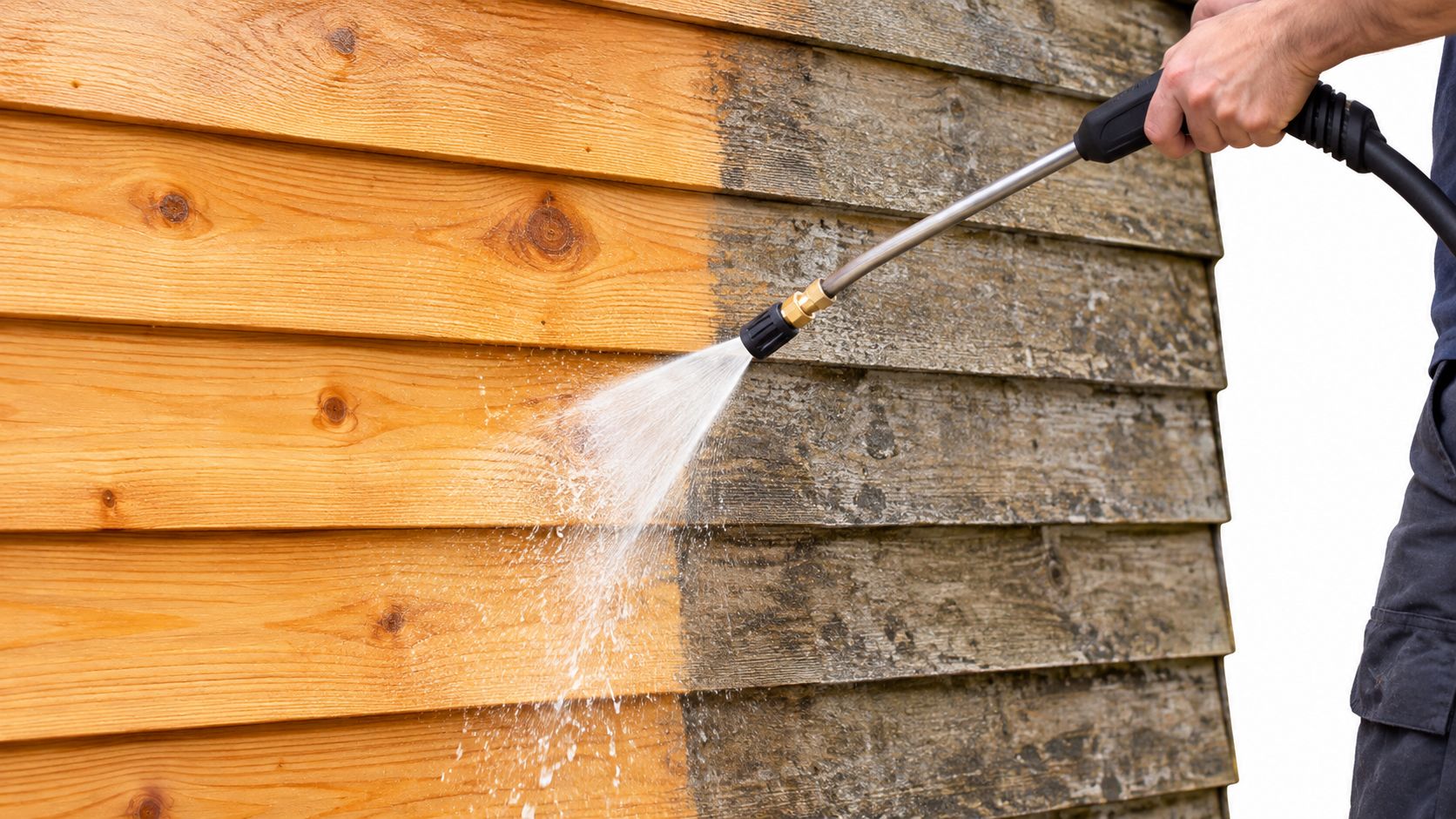
The biggest mistake is treating every surface the same. Concrete can usually handle a more aggressive cleaning approach than painted trim, coated surfaces, stucco, or older masonry. On restaurant patios and retail walkways, grease, gum, beverage residue, and windblown dirt create both an appearance problem and a traction problem. On office entries, it's often pollen, dust, and winter residue that make the property feel tired.
A clean exterior also helps your inspections. It's easier to spot cracking, failed sealant, rust staining, and drainage patterns on a washed surface than on one covered in grime.
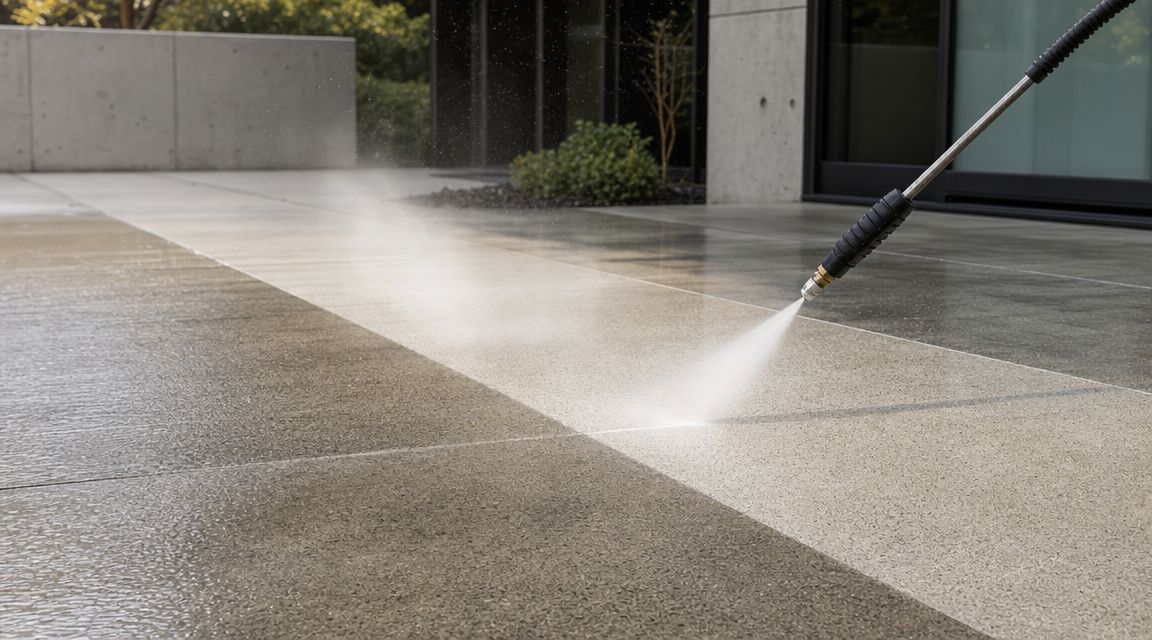
Here's the kind of buildup many managers are dealing with on active properties:
Where pressure washing works best
High-traffic areas benefit most from a repeat schedule. Think storefront sidewalks, dealership display aprons, loading-adjacent walkways, trash enclosure pads, and common-area plazas.
- Use lower pressure on delicate materials: Wood, painted surfaces, and some siding need a softer approach.
- Schedule around operations: Early morning or off-hours service reduces disruption.
- Pair it with exterior glass service: A building looks uniformly maintained when the concrete and windows are cleaned together.
- Save before-and-after photos: They're useful for internal reporting and owner updates.
Clean the path customers walk before you clean the corners they never see. Entry concrete influences first impressions more than almost any other exterior surface.
For managers comparing methods, this short video gives a useful visual sense of commercial surface cleaning equipment in action:
In Colorado Springs, late spring through early fall is usually the easiest window for full exterior washing, but spot service after storms, winter residue, or busy event periods is often what keeps a property looking current.
4. Roof Inspection and Maintenance
A roof problem in Colorado Springs often starts with a small puncture after hail, a backed-up drain during a spring storm, or ice holding against a flashing line after a hard freeze. The interior complaint comes later. By then, water may already be in insulation, decking, or wall cavities, and the repair is no longer a simple patch.
Roof inspections need to be scheduled, not triggered by leaks. On commercial properties here, I would treat annual inspections as the minimum and add post-storm checks after hail, heavy wind, or rapid freeze-thaw swings. A roof can look acceptable from the parking lot and still have split seams, bruised membrane, loose flashing, or blocked drainage.
Colorado Springs adds stress from several directions at once. High-altitude UV dries and ages exposed materials faster. Hail can damage membrane surfaces and rooftop equipment housings. Snow drifts collect around parapets and mechanical units, then melt and refreeze at weak points. Foot traffic from HVAC service also wears paths into low-slope roofing systems that otherwise seem sound.
The practical priority is documentation. Good photo records make it easier to spot changes over time, support warranty conversations, and strengthen insurance claims after a storm. Truitt & White's commercial maintenance guidance also points to post-storm inspections, photo documentation, drain clearing, and infrared moisture checks as useful parts of a roof maintenance program.
What to check during each roof review
- Inspect flashing and penetrations first: Roof leaks often start at curbs, vents, skylights, edge metal, and transitions around rooftop units.
- Clear drains, scuppers, and debris: Ponding water shortens roof life, even when the membrane itself is still intact.
- Look for hail impact and punctures: Damage is easy to miss on low-slope roofs unless someone is walking the surface carefully.
- Watch traffic paths around equipment: Repeated service access can wear protective surfacing and stress seams.
- Photograph the same problem areas each visit: Consistent angles help show whether a crack, blister, or seam issue is stable or spreading.
This section is also where trade-offs matter. A full repair after visible damage is not always the first step. Sometimes the right call is to document conditions, make a targeted repair, and monitor through the next weather cycle. Other times, delaying action lets moisture spread under the assembly and turns a localized issue into a larger tear-off.
If ownership is trying to compare maintenance, repair, and appearance-related updates across the building envelope, even regional service discussions like top commercial painters in Broomfield help frame a broader capital planning conversation. Roof, coating, paint, sealant, and drainage decisions often affect each other more than they appear to on separate bid sheets.
5. Exterior Siding and Wall Surface Maintenance
Siding and wall surfaces tell you a lot about how water is moving around a building. Staining below joints, faded panels, cracked stucco, separated sealant, and dirty vertical runoff lines all point to issues that are easier to address early.
Colorado Springs puts extra stress on exterior walls. Intense UV accelerates fading and dries out sealants. Wind pushes grit against paint and finishes. Freeze-thaw cycles exploit hairline cracks around penetrations, expansion joints, and trim transitions. On mixed-material buildings, the weak spot is often where one material meets another.
Material-specific care matters
Brick, stucco, fiber cement, metal panels, and vinyl don't age the same way. A generic “wash the building once a year” plan often causes more problems than it solves.
For example, a retail storefront with masonry may need stain removal and mortar observation. An office building with vinyl or painted composite surfaces may need a gentler wash and closer attention to caulking. Restaurants with side-yard traffic or patio walls often collect grease film and splashback that require more frequent spot treatment.
- Inspect sealant joints annually: Failed caulk around windows and penetrations invites moisture into the wall system.
- Clean with the correct method: Pressure that works on one façade can scar another.
- Track discoloration patterns: Reappearing stains often reveal roof runoff or drainage issues above.
- Document hail or impact marks: Exterior wall evidence can support a broader storm-damage review.
Managers planning façade refreshes sometimes coordinate maintenance with repainting cycles. If that's on your horizon, a local overview of commercial painting options in Broomfield shows the kind of scope questions worth asking a contractor, even if your property is in Colorado Springs.
What works is a coordinated exterior visit that checks siding, trim, gutters, and windows together. What doesn't work is cleaning the walls while ignoring the failed sealants or misdirected downspout that caused the staining in the first place.
6. Door and Entry System Maintenance
Entries take abuse every day. Customers lean on them, carts hit them, wind catches them, and temperature swings work on every seal and closer. A door that sticks, slams, drags, or doesn't latch right becomes both a maintenance issue and a customer experience issue.
Retail and restaurant properties feel this fastest because the front door is in constant use. Office buildings often notice it when access control starts acting inconsistent or when drafts show up near reception. At service entries, the problem may be security instead of appearance.
Monthly checks that prevent bigger problems
Most door issues give a warning before they become urgent. The key is to inspect operation while the issue is still small.
- Test swing and closure: Doors should open smoothly and close fully without slamming.
- Check weather stripping: Gaps let in dust, cold air, and moisture.
- Inspect locks and hardware: Loose handles, worn panic devices, and sticky cylinders don't improve on their own.
- Look at thresholds and sweeps: These wear faster than many managers expect, especially at busy storefronts.
If tenants are propping a door open because it's hard to use, you have two problems, not one. A failing door system and a security gap.
Colorado weather makes alignment issues more common than some teams realize. Freeze-thaw movement, building settlement, and routine wear can all affect how a commercial door sits in its frame. For overhead or service-bay entries, maintenance gets more specialized. A practical reference for common issues is this guide on how to troubleshoot commercial overhead doors.
Smooth entry systems make a property feel professionally managed. Rough, noisy, unreliable entries do the opposite, even when everything else looks clean.
7. Parking Lot and Pavement Maintenance
A Colorado Springs parking lot can look serviceable at 8 a.m. and become a liability by the afternoon. Snowmelt settles into a low spot, temperatures drop after sunset, and the same area turns slick before the next shift change. Add cracked asphalt, faded striping, and windblown grit, and the lot starts working against the property instead of supporting it.
Parking areas take more punishment here than many managers plan for. High-altitude sun dries and breaks down surface coatings faster. Hail opens up weak spots. Freeze-thaw cycles widen small cracks into trip hazards and potholes. On retail sites, medical offices, industrial yards, and multi-tenant centers, that wear shows up first where vehicles turn, brake, idle, and drain.
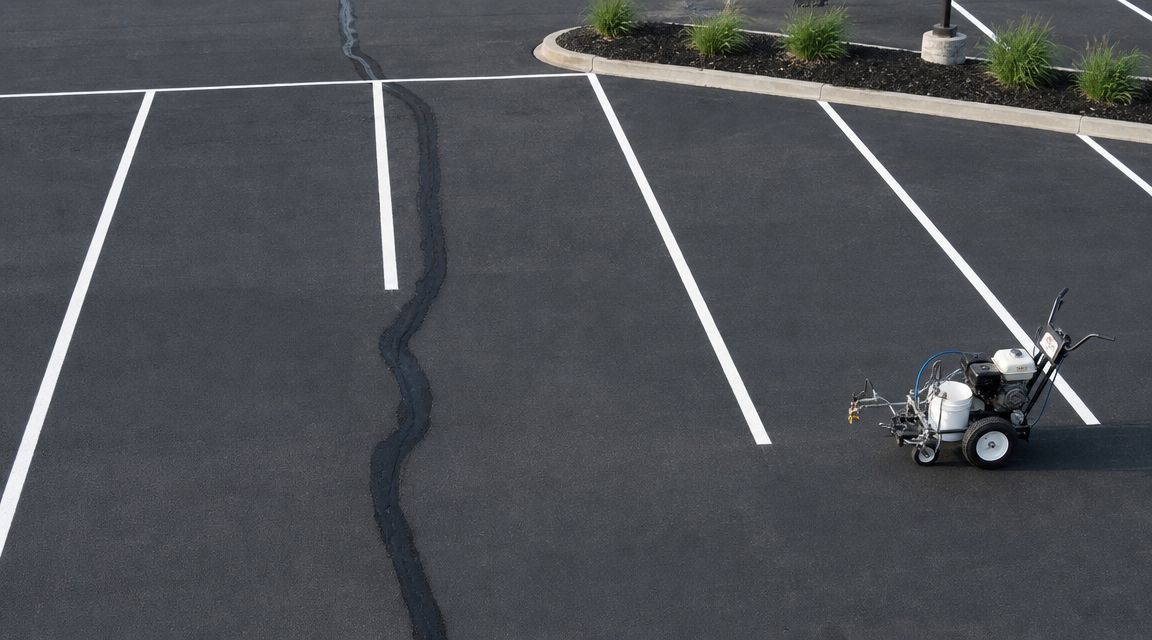
What Colorado Springs surfaces need most
The goal is simple. Keep water moving, keep markings visible, and fix failures while they are still small.
- Seal cracks early: A hairline crack before winter often becomes a larger repair by spring.
- Check drainage after storms: Ponding usually points to settlement, clogged inlets, or worn surface grade.
- Repaint striping before it disappears: Snow, UV exposure, and plow traffic wear markings down faster than many teams expect.
- Watch curbs and concrete transitions: These edges chip, shift, and create trip points under repeated freeze-thaw movement.
- Remove sand, oil, and debris: Buildup hides surface defects and makes the property look neglected.
There is a real trade-off here. Delaying sealcoat, crack filling, or restriping may save money this quarter, but the later repair usually includes patching, traffic control, tenant complaints, and more disruption. Early pavement work is cheaper to schedule and easier to complete during slower business hours.
Clean pavement also improves the rest of the exterior maintenance plan. Dirt, runoff stains, and residue collect around islands, walks, and pole bases, which is why many managers pair pavement checks with exterior washing and commercial outdoor lighting installation upgrades so the lot stays safer and easier to use after dark.
For Colorado Springs properties, parking lot maintenance is not just about appearance. It is surface life, drainage control, slip prevention, and a clearer first impression every time someone pulls in.
8. Lighting System Maintenance and Exterior Lighting
Exterior lighting does more than make a building visible at night. It shapes how safe the property feels, how accessible entries are, and how polished the business appears after dark. Burned-out lamps, dirty lenses, and mismatched color temperatures make even a well-kept property feel uneven.
This is one area where routine visual checks pay off immediately. A single failed fixture at a side entrance may signal a bulb issue, water intrusion, hail impact, a ballast problem, or a control issue. Parking lots, walkways, monument signs, dumpster paths, and building entries all deserve separate attention because they don't fail in the same way.
A better way to manage lighting
Many teams replace lamps only when someone complains. That usually leads to rushed nighttime callouts and inconsistent appearance. A scheduled inspection keeps the property more uniform and helps security cameras and customers alike.
- Clean fixtures regularly: Dirt and insects reduce usable light.
- Test controls seasonally: Timers, photocells, and smart controls drift out of sync.
- Replace in groups when needed: It keeps color and brightness more consistent across a frontage.
- Check fixture placement after storms: Hail and wind can shift or damage exposed components.
Commercial checklists also include exterior lighting among high-risk assets because neglected lighting affects both operations and curb appeal, not just aesthetics, according to commercial maintenance guidance summarized by Visitt, which also highlights the value of combining routine inspection, asset history, and compliance records in one workflow.
For businesses adding decorative or year-round accent lighting, Cultivate House Detailing also provides commercial outdoor lighting installation in the Colorado Springs area. That can be useful for storefront visibility, seasonal presentation, and better-lit exterior gathering spaces.
9. Landscape and Ground Area Maintenance
Landscaping affects maintenance more than many owners expect. Trees drop debris into gutters. Shrubs block windows and signs. Mulch washes into drains. Irrigation overspray etches glass. Ground cover near the building can hide pests, trap moisture, or make an entry look neglected even when the structure itself is in good shape.
For Colorado Springs commercial properties, the best grounds plans are usually the ones that respect the climate instead of fighting it. Native and drought-tolerant plantings are easier to maintain than thirsty, high-litter alternatives that struggle through wind, sun, and uneven moisture. Grounds should support visibility, drainage, and a clean storefront, not create more maintenance calls.
Practical standards for commercial grounds
An office park and a restaurant patio won't need the same grounds maintenance routine. A retail center may care most about sight lines and clean edges near signage. A mixed-use property may need tighter control around walkways, tenant entrances, and common seating areas.
- Keep plant growth off the building: Branches scrape siding, trap debris, and obstruct glass cleaning.
- Maintain clear sight lines: Parking-lot exits, monument signs, and entry doors should stay visible.
- Control irrigation overspray: It's a common cause of recurring window spotting.
- Clear ground debris before exterior cleaning: Leaves, mulch, and dust around entrances make every cleaning service less effective.
Well-kept grounds make exterior cleaning last longer. Neglected grounds undo it fast.
This is also where local judgment matters. Xeriscape-style planning often holds up better in Colorado Springs than high-maintenance ornamental beds. The goal isn't a complicated grounds plan. It's a property edge that looks intentional, drains properly, and doesn't add avoidable wear to the building envelope.
10. Pest Control and Building Security Prevention
Pest prevention is often handled as a separate vendor issue, but it belongs on the same operational checklist as exterior cleaning, doors, drainage, and landscaping. Pests exploit the gaps that maintenance teams already inspect: torn screens, failed seals, standing water, untrimmed vegetation, dirty enclosures, and poorly maintained service areas.
Restaurants, grocery sites, and multi-tenant retail properties usually face the highest visibility risk, but office buildings aren't exempt. Rodents and insects don't care whether the tenant mix is food-based. They care whether the building offers shelter, moisture, and easy access.
Prevention starts outside
The most effective approach is to remove the conditions that invite pests before treatment becomes the only option.
- Seal visible gaps fast: Utility penetrations, door edges, and broken screens are common access points.
- Eliminate standing water: Drainage issues support pests and also point to larger maintenance gaps.
- Trim vegetation away from the façade: Dense planting near walls creates hidden travel paths.
- Keep service zones clean: Dumpster pads, rear entries, and loading areas need consistent washing and inspection.
Security overlaps with pest prevention more than people think. A damaged rear door, broken screen, or poorly lit enclosure isn't just an invitation for pests. It's also a weak point in the property's broader security posture.
The best results usually come when maintenance, cleaning, lighting, and pest-control vendors share observations instead of working in silos. The pressure washing crew may spot nesting activity near an enclosure. The window team may notice torn screens. The gutter crew may find water holding where it shouldn't. Those small observations help property managers act before tenants notice a much bigger problem.
10-Point Commercial Property Maintenance Comparison
| Service | Implementation complexity | Resource requirements | Expected outcomes | Ideal use cases | Key advantages |
|---|---|---|---|---|---|
| Window, Glass, and Screen Cleaning & Inspection | Low–Moderate; high-rise adds complexity and safety needs | Cleaning solutions, water-fed poles, lifts/ropes, trained staff | Streak-free glass, improved daylight/ventilation, early damage detection | Retail storefronts, offices, restaurants, dealerships | Boosts curb appeal, energy performance, extends screen life |
| Gutter Cleaning and Drainage System Maintenance | Low–Moderate; requires roof access and safety precautions | Ladders, gutter tools/vacs, flushing equipment, PPE | Improved drainage, reduced foundation and ice-dam risk | Buildings in snowy/leafy areas, historic properties, multi-tenant sites | Prevents water damage; cost-effective preventive maintenance |
| Pressure Washing and Exterior Surface Cleaning | Moderate; material-sensitive technique required | Pressure washers, adjustable nozzles, eco cleaners, water management | Cleaned exteriors, reduced slip hazards, slower surface degradation | Parking lots, sidewalks, building exteriors, patios | Dramatically improves appearance; prevents surface replacement |
| Roof Inspection and Maintenance | Moderate–High; expert assessment and safe access needed | Inspectors, access equipment, diagnostic tools, photography | Early leak detection, extended roof life, avoided major repairs | Commercial roofs in hail/snow regions, multi-tenant buildings | Prevents costly water damage and structural issues |
| Exterior Siding and Wall Surface Maintenance | Moderate; material-specific procedures and repairs | Cleaning systems, sealants/caulk, repair tools, skilled techs | Reduced moisture intrusion, preserved appearance, better efficiency | Retail facades, offices, mixed-material buildings | Prevents structural damage; extends siding lifespan |
| Door and Entry System Maintenance | Low–Moderate; mechanical and access-control coordination | Hardware tools, seals/closers, locksmith services, testing tools | Secure, smooth-operating entries, improved weatherproofing | Retail entrances, office access points, restaurants | Enhances security and energy performance; reduces emergencies |
| Parking Lot and Pavement Maintenance | Moderate; requires coordination and heavy-equipment work | Crack sealants, sealcoating gear, striping machines, patch crews | Extended pavement life, improved safety and ADA compliance | Shopping centers, dealerships, office parks | Lowers liability; cost-effective vs full replacement |
| Lighting System Maintenance and Exterior Lighting | Low–Moderate; electrical safety and possible retrofits | Bulbs/LEDs, fixtures, testers, lifts, control systems | Better security and visibility, energy savings with LEDs | Perimeter lighting, storefronts, seasonal displays | Improves safety and aesthetics; long-term energy reduction |
| Landscape and Ground Area Maintenance | Low–Moderate; seasonal scheduling and horticultural skill | Pruning tools, mulch, irrigation management, crews | Enhanced curb appeal, erosion control, reduced pest harborage | Office parks, retail centers, restaurants | Boosts property value and presentation; supports sustainability |
| Pest Control and Building Security Prevention | Moderate; ongoing monitoring and coordination required | Inspection tools, sealants, traps, professional pest services | Fewer infestations, protected goods and health, regulatory compliance | Grocery stores, restaurants, food-handling facilities | Prevents costly infestations; protects health and assets |
Build Your Maintenance Schedule with a Trusted Local Partner
A commercial property maintenance checklist works best when it becomes a repeatable calendar. Some work belongs on a daily or weekly walk-through. Other tasks fit monthly, quarterly, seasonal, or annual intervals depending on the building system. That frequency-based structure is the standard because commercial maintenance isn't one long chore list. It's a way to match service timing to risk.
For Colorado Springs properties, that schedule should reflect local exposure. High-altitude sun can accelerate wear on siding, sealants, and glass. Hail and wind demand fast post-storm checks. Snowmelt and freeze-thaw cycles put pressure on roofs, gutters, pavement, and entries. If your checklist doesn't account for those conditions, it will look complete on paper while still missing the problems most likely to cost you time and money.
The strongest plans are practical. They combine visible exterior care with documentation. They also separate in-house tasks from specialist work. Janitorial staff or onsite teams may be able to handle routine observations, small cleanups, and basic reporting. Higher-risk exterior work, multi-story window cleaning, drainage clearing, pressure washing, lighting installation, and storm-response inspections usually belong with trained professionals who have the right equipment and safety procedures.
That's also where many property managers save effort. Bundling related exterior services often produces better results than hiring for isolated tasks one at a time. Window cleaning reveals frame issues. Gutter work confirms drainage paths. Pressure washing exposes concrete wear and runoff patterns. Lighting maintenance improves both security and nighttime presentation. When those observations are shared, your maintenance plan gets sharper.
Cultivate House Detailing is one local option for commercial properties in Colorado Springs, Black Forest, Monument, and nearby areas that need support with exterior upkeep. The company provides commercial window cleaning, gutter clearing, pressure washing, and permanent lighting installation, which are all relevant pieces of an exterior-focused maintenance routine for local buildings.
The main takeaway is simple. Don't wait for visible failure to tell you what needs attention. Build the schedule first, document what your vendors and staff find, and adjust the cadence based on what your specific property deals with through the year. That approach protects curb appeal, supports tenant confidence, and gives you a clearer handle on risk before the next storm or season change tests the building again.
If you need help keeping your exterior maintenance schedule on track, Cultivate House Detailing serves Colorado Springs and nearby communities with commercial window cleaning, pressure washing, gutter cleaning, screen-related service, and outdoor lighting solutions. Reach out for a free, no-obligation quote and get a practical plan for keeping your property clean, professional, and easier to manage year-round.