The Biggest Causes of Dirty Windows Around Colorado Homes
Living in Colorado offers spectacular views of the Rocky Mountains, sprawling plains, and beautiful cityscapes. However, enjoying those views requires a clear line of sight. For many homeowners, maintaining clear glass is a constant battle. The state’s unique climate and environmental conditions create a perfect storm for dirt, grime, and hard water buildup on residential properties.
If you find yourself constantly scrubbing your glass panels only to see streaks and spots return a few days later, you are not alone. Cultivate House Detailing has spent years analyzing and addressing the specific challenges homeowners face in this region.
By understanding the root causes of this rapid grime buildup, you can take proactive steps to protect your property. This guide breaks down the primary environmental and man-made culprits behind dirty windows in Colorado and explains how professional window cleaning by Cultivate House Detailing offers a lasting solution.
Understanding Colorado’s Unique Environment and Its Impact on Windows
Why Do High Altitude and Arid Climates Make Windows Dirtier?
Colorado’s geography plays a massive role in the state of your property’s exterior. The state sits at a high altitude, which means the atmosphere is thinner and ultraviolet (UV) exposure is significantly higher than at sea level. This intense UV radiation bakes dirt, mineral deposits, and organic matter directly onto the glass. The heat from the sun accelerates the adhesion process, turning a light layer of dust into a stubborn film that standard glass cleaners cannot easily remove.
Furthermore, the arid climate ensures that the environment remains dry for most of the year. Without frequent, heavy rainfall to naturally wash away debris, dry soil and sand easily become airborne. Strong winds carry these abrasive particles across neighborhoods, plastering them against your home. Over time, these fine particulate matters accumulate, creating a hazy appearance that blocks natural light.
How Do Seasonal Weather Changes Affect Colorado Windows?
Every season in Colorado introduces a new set of challenges for exterior maintenance.
During the winter, heavy snowfalls and icy conditions dominate the forecast. Snow plows and vehicles kick up de-icing chemicals, road salt, and muddy slush onto lower-level glass surfaces. When the moisture evaporates, the caustic salt residues remain, which can etch and damage the glass if left untreated.
Spring brings a different mess. Frequent rain showers mix with airborne dust, creating muddy droplets that dry into prominent streaks. Additionally, spring is notorious for heavy pollen, which creates a sticky, yellowish coating on exterior surfaces.
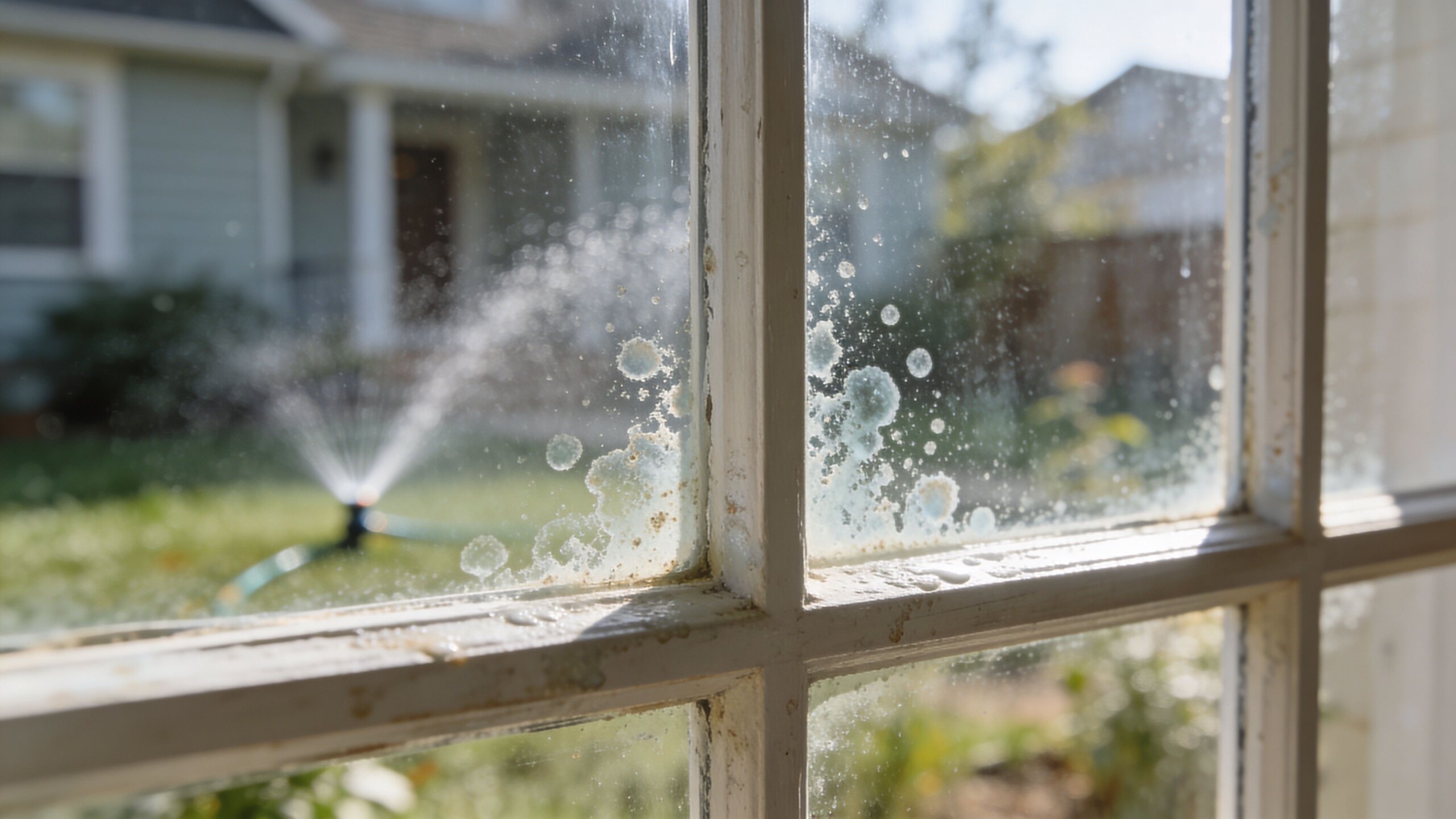
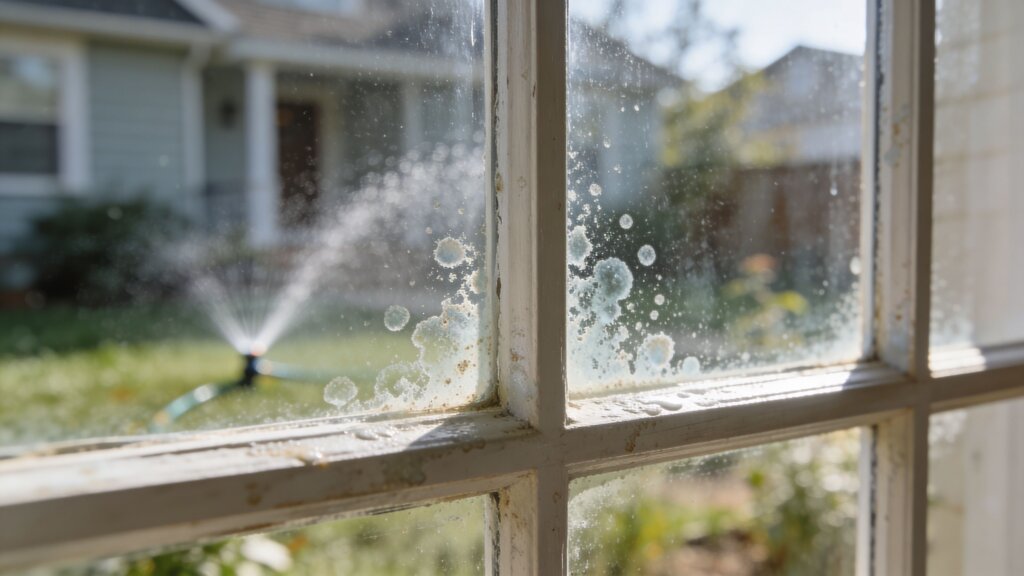
Summer introduces high insect activity, nesting birds, and the frequent use of landscaping irrigation systems. Hard water spots from errant sprinklers bake into the glass during hot summer afternoons. Finally, autumn brings falling leaves and high winds, blowing organic debris and sap directly onto your home’s exterior.
Environmental Culprits: The Natural Enemies of Clean Windows
How Do Dust, Dirt, and Pollen Accumulate on Glass?
Dust and dirt are the most pervasive enemies of clear glass. Colorado’s dry soil, combined with frequent windstorms, acts as a continuous delivery system for fine particulate matter. When wind hits the side of your house, the air pressure drops slightly, depositing these tiny particles onto the glass.
Pollen acts as an adhesive for this dirt. During the spring and early summer, trees, grasses, and weeds release massive pollen bombs. Pollen grains have a naturally sticky exterior that allows them to cling tightly to smooth surfaces. Once a layer of pollen coats your glass, it traps blowing dirt and dust, compounding the mess and triggering allergies for residents inside the home.
Why Are Hard Water Stains Common on Colorado Windows?
Hard water stains occur when water containing high levels of dissolved minerals—like calcium and magnesium—evaporates on a surface, leaving the solid minerals behind. Colorado’s municipal and well water supplies are notoriously hard.
When your lawn sprinkler system sprays water onto your house, or when a light rain passes through a dusty atmosphere, these droplets land on your glass. The sun quickly evaporates the moisture, leaving a chalky white ring. Removing hard water stains requires specialized acidic solutions and gentle abrasive tools. Scrubbing these stains with standard household supplies often leads to permanent scratching.
What Damage Do Bird Droppings, Insect Residue, and Wildfire Smoke Cause?
Local wildlife and environmental disasters heavily impact the cleanliness of your home. Bird droppings are highly acidic. If they sit on the glass for an extended period, the uric acid can actually eat into the porous surface of the glass, causing permanent etching. Insect splatters and nests built in the corners of frames create a similarly sticky, unsightly mess that requires professional scraping to remove safely.
Additionally, Colorado faces an ongoing threat from wildfires. Wildfire smoke contains microscopic particles of ash, soot, and burned organic compounds. These particles travel hundreds of miles in the upper atmosphere before settling onto residential neighborhoods. Soot is greasy and highly clinging. When it coats your home, it restricts sunlight and introduces harmful carcinogens to your immediate living environment.
Man-Made Contributors: Everyday Factors Affecting Window Cleanliness
How Do Construction Dust and Landscaping Activities Affect Windows?
Human activity frequently accelerates the degradation of your home’s exterior aesthetic. New housing developments, road repairs, and home renovation projects generate immense amounts of concrete dust, sawdust, and paint particles. These materials drift through the air and settle on neighboring homes. Drywall dust is particularly difficult to remove, as it turns into a thick, plaster-like paste when mixed with moisture.
Landscaping activities also contribute to the problem. Mowing the lawn and using leaf blowers propel grass clippings, mulch dust, and topsoil directly onto low-hanging glass. When combined with the overspray from sprinkler systems, landscaping routines can completely ruin a freshly cleaned surface in a matter of minutes.
Can Urban Air Pollution and Traffic Exhaust Dirty Your Windows?
For homes located in urban environments or near busy suburban roadways, vehicle exhaust is a primary source of exterior grime. Cars and trucks emit oily soot, unburned hydrocarbons, and chemical residues. These pollutants become suspended in the air and gradually deposit themselves onto nearby structures. Because this residue is petroleum-based, rain will not wash it away. Instead, water simply beads up on the oily film, requiring professional-grade degreasers to cut through the smog layer.
Industrial emissions from nearby manufacturing plants or commercial businesses add another layer of complex particulate matter to the air. Over months and years, this chemical cocktail forms a dark, stubborn film that drastically reduces the curb appeal of your property.
What Are the Most Common DIY Cleaning Mistakes Homeowners Make?
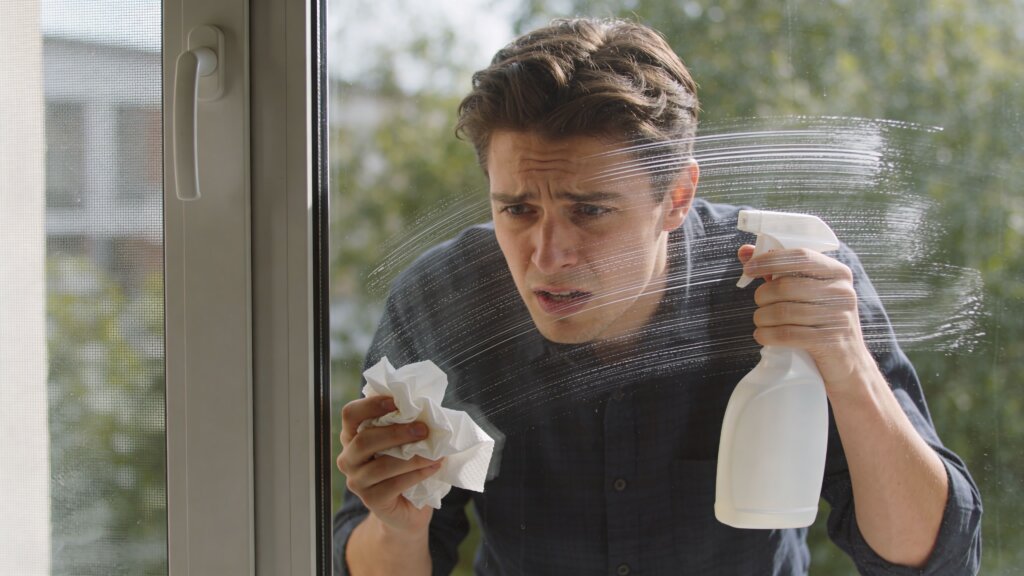
Homeowners often attempt to tackle these cleaning projects themselves, inadvertently making the situation worse. The most common DIY cleaning mistake is using improper tools. Paper towels and abrasive dishcloths leave behind heavy lint and can cause micro-scratches on the glass surface.
Another frequent error is the use of incorrect cleaning solutions. Heavy dish soaps leave a sticky film that actually attracts more dirt over time. Ammonia-based cleaners can permanently damage aftermarket UV tints and degrade the rubber seals around the frame. Furthermore, cleaning glass in direct sunlight causes the liquid to evaporate before it can be wiped away, resulting in a network of frustrating streaks and soap spots.
Do Pet Smudges and Human Fingerprints Really Make a Difference?
Not all dirt comes from the outside. The interior surfaces of your glass face constant assaults from daily life. Curious dogs and cats press their wet noses against the glass to watch the neighborhood, leaving behind oily, saliva-based smudges. Children and adults leave fingerprints, which contain natural skin oils that easily transfer to the smooth surface. Over time, these interior marks catch the light, making the entire pane look drastically dirtier than it actually is.
The Cumulative Effect: Why Colorado Windows Get So Dirty, So Fast
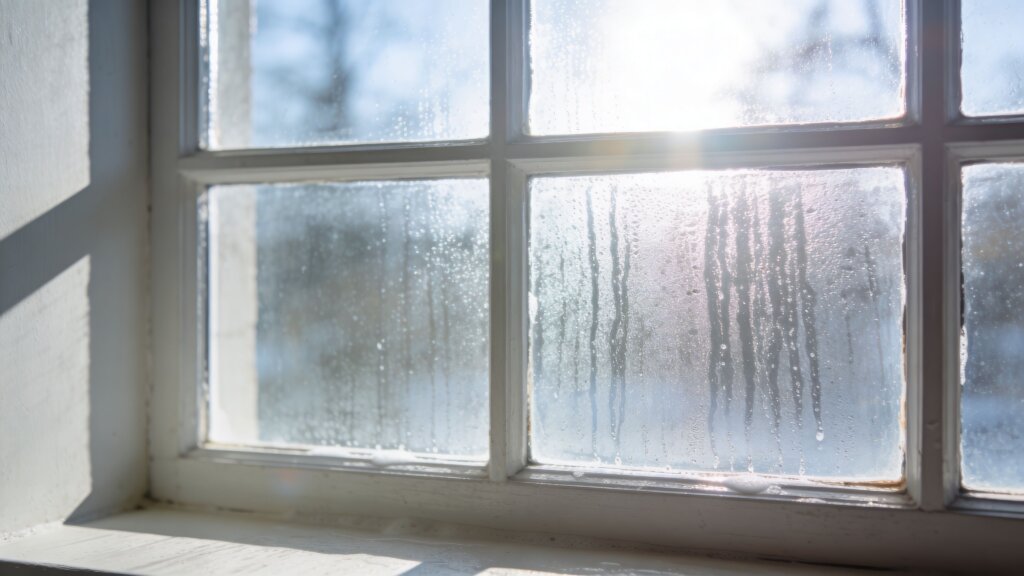
The combination of these environmental and man-made factors creates a powerful synergy. The sticky pollen grabs the construction dust. The sprinkler overspray seals the dirt to the glass. Finally, the intense UV rays bake the entire mixture into a stubborn crust. This cumulative effect explains why windows in Colorado get so dirty, so incredibly fast.
Consistently dirty windows carry both aesthetic and practical implications for your home. First, a heavy layer of grime drastically reduces the amount of natural light entering your living spaces. This lack of light makes your home feel darker and less inviting. Second, it completely obscures those beautiful Colorado views you value so highly.
Most importantly, leaving this grime on the glass leads to permanent damage. Hard water, acidic bird droppings, and abrasive dust break down the protective seals around your windows. When window seals fail, moisture gets trapped between the panes. This trapped moisture creates permanent fogging that requires full window replacement. Regular cleaning prevents this degradation and protects your investment over the long term.
The Cultivate House Detailing Difference: Your Solution to Sparkling Windows
To properly maintain your home in this challenging climate, you need a team that understands the specific science of glass restoration. Cultivate House Detailing provides expert, professional window cleaning services tailored specifically to Colorado’s unique environment.
Cultivate House Detailing utilizes purified water-fed pole systems that completely eliminate hard water spotting. Because the water is deionized and free of minerals, it dries perfectly clear without the need for chemical squeegee solutions. The team uses specialized, non-abrasive tools to safely remove baked-on wildfire soot, acidic bird droppings, and sticky pollen without scratching the delicate glass surfaces.
By hiring Cultivate House Detailing, you bypass the risks of dangerous ladder climbs and ineffective DIY methods. Their technicians inspect the integrity of your frames and seals during the cleaning process, alerting you to potential maintenance issues before they become expensive structural repairs.
Enjoy Crystal-Clear Views Year-Round
Colorado’s stunning environment comes with specific maintenance demands. High altitude, dry winds, hard water, and urban pollution all conspire to obscure the beautiful views from your home. Understanding these causes is the first step; taking action is the second.
Clean glass improves the overall aesthetic of your property, boosts your mood by letting in more natural light, and protects the structural integrity of your home’s exterior. Do not let another season pass by looking through a hazy, scratched, or spotted pane of glass.
Reach out to Cultivate House Detailing today to schedule a comprehensive exterior cleaning. Let the experts handle the heavy lifting, the hard water stains, and the wildfire soot. Reclaim your views and enjoy the true beauty of Colorado through spotlessly clean windows.
https://www.google.com/maps?cid=10139285130722580475