Hard water stains on your windows demand more than just a spritz of standard glass cleaner. While a simple 50/50 mix of white vinegar and distilled water might work on light, fresh spots, the stubborn buildup we see on homes in Colorado Springs often requires a professional touch to avoid permanently etching your glass.
Why Your Colorado Springs Windows Have Stubborn White Spots
If you live anywhere from Monument down to Black Forest, you know exactly what we’re talking about: those frustrating, chalky white spots that cling to your windows and resist your cleaning efforts. This isn’t a sign you’re doing something wrong—it's a direct result of the hard water that’s prevalent all throughout the Colorado Springs area.
Our local water is packed with minerals like calcium and magnesium. When water from a sprinkler system or even just rain hits your windows and evaporates under the intense Colorado sun, those minerals get left behind. Over time, they don't just sit on the surface; they chemically bond to the glass, creating a tough, opaque film that requires professional hard water stain removal.
What Causes These Mineral Deposits?
Homeowners often face several challenges that contribute to hard water stains on their windows:
- High Mineral Content: The water supply in the Pikes Peak region is naturally hard, meaning it’s carrying a heavy load of dissolved minerals.
- Sprinkler Systems: This is the big one. Sprinkler overspray is the most frequent cause we see for exterior window cleaning calls, leaving a concentrated layer of mineral residue on your glass as it dries.
- Lack of Regular Cleaning: The longer mineral deposits are left on the glass, the more they accumulate and bond with the surface. This makes them progressively harder to remove, leading to the need for more intensive services.
These spots are more than just an eyesore—they're a warning sign. Left untreated, hard water stains can go from a simple cosmetic issue to permanent glass damage. What starts as a minor stain that can be professionally removed can quickly become a problem requiring costly glass restoration or even a full window replacement.
At Cultivate House Detailing, we constantly meet homeowners in Colorado Springs who've tried every DIY solution out there without any luck. The truth is, once those minerals etch into the glass, standard cleaners just can't break that chemical bond. It takes a professional approach from a trusted local window cleaning company.
While a vinegar solution can sometimes handle the lightest of stains, it’s rarely enough to beat the kind of buildup we see. Worse, trying to scrub these spots off improperly can lead to ugly scratches and streaks, leaving your window looking even worse than before. If you’re already battling persistent streaks after cleaning, check out our guide on what causes window streaks and how professionals prevent them. Understanding the root cause is the first step toward reclaiming those clear, beautiful Colorado views.
How to Assess the Severity of Your Hard Water Stains
Before you grab a bottle of cleaner and a cloth, it’s vital to figure out what you’re really up against. Not all hard water spots are the same, and trying to tackle a severe, etched-in stain with a simple vinegar solution is a fast track to frustration. A quick diagnosis will help you choose the right approach and set realistic expectations for your residential window cleaning needs.
Think of it this way: a fresh stain is like a light, chalky powder sitting on the glass. An old, baked-on stain is more like cement that has bonded with the surface. The treatment for each is completely different, and knowing which one you have can prevent you from accidentally scratching your windows.
This flowchart breaks down the basic path forward, whether you’re dealing with stubborn stains or just trying to keep your windows clear.

As you can see, the first move is always to assess the situation. Are you fighting existing stains, or are your windows clear and just need a good maintenance plan?
Stage 1 vs. Stage 2 Stains
Hard water damage generally happens in two stages. Understanding the difference is key to successfully restoring your glass and determining if you need professional window cleaning services.
Stage 1 hard water stains are the new arrivals. These are mineral deposits still sitting on top of the glass, appearing as light, cloudy, or chalky spots. Because they haven't had time to chemically bond with the glass, you can often get rid of these with DIY methods.
Stage 2 hard water stains are a much bigger problem. Over time, those minerals start to corrode the glass, creating microscopic pits in the surface—a process called etching. The minerals are no longer just on the glass; they’re embedded in it. These stains look denser, more opaque, and sometimes even have a rainbow-like shimmer from certain angles.
The Fingernail Test
Here’s a simple trick to tell the difference. Run your fingernail gently across a dry, stained part of the window.
If the surface feels completely smooth, you’re probably looking at light, Stage 1 deposits. If you feel a distinct roughness or a gritty texture under your nail, the minerals have started to bond. That’s a sure sign you’re dealing with Stage 2 damage that requires professional intervention.
This test gives you immediate, tactile feedback on whether you have a surface-level issue or something more serious.
Hard Water Stain Severity Level Guide
To make it even easier, use this table to figure out exactly what’s going on with your windows. If you’re a homeowner in the Colorado Springs area, you might find your windows are in the "Moderate" or "Severe" category, thanks to our mineral-rich water and frequent sprinkler use.
| Severity Level | Visual Appearance | Feel / Texture | Recommended Action |
|---|---|---|---|
| Light | Faint, chalky spots; barely noticeable | Smooth; you cannot feel the deposit | DIY cleaning with a vinegar/water solution will probably do the trick. Regular maintenance is key. |
| Moderate | Obvious cloudy film; visible white spots | Slightly rough or gritty to the touch | DIY methods might work with a lot of elbow grease, but professional cleaning is often the best bet for a streak-free result. |
| Severe | Dense, opaque white crust; may have a rainbow hue | Very rough; you can clearly feel the bumps | DIY methods won't work here and can easily cause scratches. This requires professional hard water stain removal and polishing. |
Knowing your stain's severity is the most important step in the whole process. It keeps you from wasting time on products that won't work and, more importantly, protects your glass from accidental damage. If you’ve identified moderate to severe stains, your best move is to call a professional exterior window cleaning service like Cultivate House Detailing.
Effective DIY Methods for Light Hard Water Stains

If you've spotted some light, chalky residue on your windows, you’re looking at Stage 1 hard water stains. The good news? You’ve caught them early. At this stage, you stand a great chance of restoring your glass with some simple household items and a bit of elbow grease.
For homeowners here in Colorado Springs, acting fast is the name of the game. A proactive approach now can save you a world of frustration and keep your mountain views crystal clear.
Your Go-To DIY Cleaning Solution
The most effective and glass-safe remedy you can mix up at home is a simple solution of white vinegar and distilled water. The natural acetic acid in vinegar is fantastic at breaking down the alkaline mineral deposits—mostly calcium and magnesium—that form those cloudy spots.
In a clean spray bottle, mix equal parts distilled white vinegar and distilled water. Now, using distilled water is non-negotiable. If you use regular tap water, especially our hard water here in Colorado, you’ll just deposit a fresh layer of minerals as the glass dries, completely defeating the purpose.
Here's how to tackle it:
- Spray the Solution: Apply the 50/50 mix generously onto the stained areas. Don't be shy—you want to fully saturate the spots so the vinegar has a chance to work its magic.
- Give It Time: Let the solution sit on the glass for at least 5 to 10 minutes. This dwell time is crucial for the acid to dissolve the mineral bonds.
- Gentle Agitation: Using a soft microfiber cloth, gently scrub the area in a circular motion. This helps lift the loosened minerals away without scratching your window.
- Rinse and Dry: Rinse the glass thoroughly with more distilled water to wash away the vinegar and mineral residue. Immediately follow up by drying the window with a second, clean microfiber cloth to prevent any new spots from forming.
For spots that are just a little more stubborn, you can try making a paste with baking soda and a few drops of water. Apply it to the stain, let it sit for a few minutes, gently scrub, and then rinse completely. Be extra careful, though, as baking soda is a mild abrasive and can scratch glass if you scrub too hard.
Choosing the Right Tools for the Job
Your choice of tools is just as important as your cleaning solution. The wrong material can leave you with permanent scratches, turning a simple cleaning task into a costly mistake.
Your best friend in this process is a high-quality microfiber cloth. Its soft, fine fibers are specifically designed to trap dirt and lift away residue without scratching the glass or leaving lint behind. Stay away from paper towels (they leave lint) and any kind of abrasive scrubber or sponge (they will almost certainly damage your glass).
Safe Over-the-Counter Cleaning Products
If you’d rather grab something from the store, several commercial products are designed to tackle mineral deposits. The key is to read the label carefully.
Look for cleaners that specifically mention hard water stain removal. Products like CLR (Calcium, Lime, Rust) or Lime-A-Way can be effective, but you must verify they are safe for use on glass. Some products contain harsh acids that can damage certain types of window coatings or tints.
Crucial Safety Tip: Always test any cleaner—DIY or commercial—on a small, hidden corner of the window first. This simple step ensures the product won't cause unexpected damage to your glass or any specialty films.
Knowing the Limits of DIY Cleaning
It’s important to have realistic expectations. These DIY methods work wonders on fresh, light mineral spots. But if your stains are thick, have been on the glass for months or years, or feel rough to the touch (Stage 2), these solutions probably won't be enough.
At that point, the minerals have started to physically etch into the glass surface. Continuing to attack them with DIY methods will only waste your time and, worse, increase the risk of scratching the glass. If you've given it your best shot and the stains aren't budging, it’s a clear signal that it’s time for professional exterior window cleaning in Colorado Springs.
When to Call a Professional Window Cleaning Service
So, you’ve spent a Saturday afternoon scrubbing your windows with a vinegar solution, convinced this was the time you’d finally beat those stubborn white spots. But when the glass dries, they’re still there, staring back at you. It’s one of the most frustrating experiences for homeowners here in Colorado Springs looking for window cleaning near me.
If your best efforts aren’t working, it’s not because you’re doing something wrong. It means the problem has moved beyond what household cleaners can handle. The mineral deposits have stopped being a simple surface stain and have become something else entirely. This is when professional window cleaning services become the best solution.
The Real Problem: Hard Water Etching
When hard water from sprinkler overspray bakes onto your windows day after day under the intense Colorado sun, a chemical reaction starts. The minerals, mostly calcium and magnesium, don't just dry on the glass—they begin to chemically bond with the silica in the glass itself.
This process is called etching. At this stage, the stain is no longer a deposit on the glass; it has literally become part of the glass surface. The vinegar and lemon juice that work on fresh, light stains are nowhere near strong enough to break these hardened, silicate bonds. Trying to force them off with abrasive pads or scouring powders will almost always lead to fine scratches, permanently marring your window.
The biggest mistake we see homeowners make is trying to scrub away an etched stain. At that point, you're not fighting a stain anymore—you're fighting the glass itself. This is where professional expertise becomes non-negotiable.
Removing hard water stains involves a completely different process than a standard window wash, a fact that roughly 90% of homeowners don’t realize at first. Many of our clients initially call expecting a regular cleaning to solve the problem, only to learn that basic methods won't even touch the mineral buildup. These hardened layers simply laugh at conventional detergents, which is why specialized treatments are required. You can discover more insights about this common misunderstanding from window cleaning professionals.
How Professional Window Cleaning Solves the Problem
At Cultivate House Detailing, our approach to how to remove hard water stains from windows is fundamentally different from any DIY method. We don't just clean the glass; we actually restore its surface using professional-grade tools and compounds that are simply not available to homeowners. This process ensures your home’s curb appeal and natural light are fully restored.
Our process involves techniques specifically designed to break the chemical bonds of etched-in minerals without harming the glass. Depending on how severe the staining is, our trained technicians might use:
- Specialized Chemical Compounds: We use professional-grade acidic gels formulated to safely dissolve heavy mineral buildup that household vinegar can't touch.
- Fine-Grade Steel Wool: For certain glass types, we use #0000 steel wool. It's an ultra-fine abrasive that can gently shear off deposits without leaving micro-scratches—but only when used with the right technique and lubricant.
- Low-Speed Polishers: For the most severe, etched-in stains, we bring out the heavy machinery. Our orbital polishers are fitted with special felt pads and a cerium oxide compound. This is a fine polishing powder used by jewelers and glass specialists to microscopically resurface the glass, effectively removing the etched layer and restoring perfect optical clarity.
This kind of restoration is a precise science. Choosing the wrong compound or using a polisher at the wrong speed can quickly burn or distort the glass, causing irreversible damage. Our team at Cultivate House Detailing is trained to assess each window, identify the right method, and execute the hard water stain removal with precision. It's how we can guarantee a flawless, streak-free window cleaning result every time.
When your own efforts aren't cutting it, that’s a clear sign you’re dealing with advanced etching. For homeowners in Colorado Springs and the surrounding areas facing this stubborn issue, calling a professional residential window cleaning service is the safest and most effective solution.
What to Expect From Our Professional Process

Hiring a professional should be a simple, trustworthy experience. When you’re staring at those stubborn hard water spots day after day, you want assurance that the team you call has a reliable plan to make them disappear for good. At Cultivate House Detailing, our process for how to remove hard water stains from windows is more than just a cleaning—it's a full-on restoration service built for the unique challenges we see right here in Colorado Springs.
We’ve built our reputation on transparency and results, so let's pull back the curtain and show you exactly what to expect when hiring our Colorado Springs window cleaning company. This methodical approach ensures we get the job done right, protecting your property while delivering the pristine views you deserve.
The On-Site Assessment
Our work begins the moment we set foot on your property. We start with a careful on-site assessment of every window, figuring out just how severe the hard water buildup is. Are we looking at light surface spotting, or has it become advanced Stage 2 etching that’s bonded with the glass? This diagnosis is everything; it tells us exactly which tools and techniques to use.
During this evaluation, we also:
- Identify Your Glass Type: We’ll check for any special tints, protective films, or low-E coatings that demand a specific, gentle approach for our interior and exterior window cleaning.
- Protect Your Property: We take careful note of the surrounding landscaping, siding, and window frames to make sure they’re completely protected during the entire process.
- Provide a Clear Plan: We walk you through what we’ve found and explain our recommended course of action. You'll know exactly what the job involves before we even start.
Specialized Treatment and Gentle Agitation
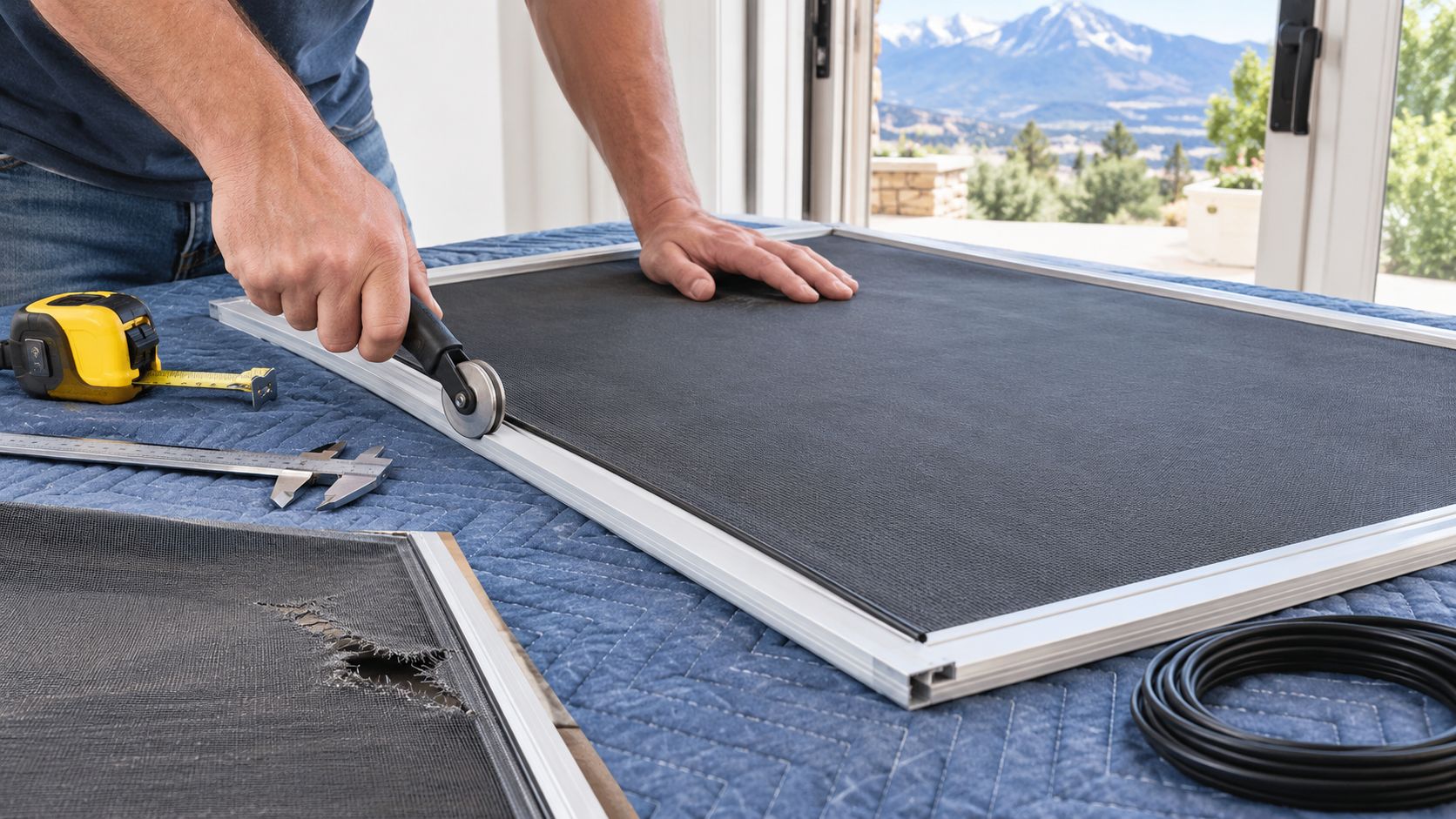
Once we have a strategy, our trained technicians get to work. We start by applying our professional-grade, eco-friendly removal agents. These compounds are specially formulated to dissolve the tough mineral deposits common in our Colorado water without harming your glass. We also offer screen cleaning and track cleaning to complement our window washing services.
Next up is the agitation phase. Depending on the stain severity, we might use a few different tools of the trade:
- Non-Abrasive Applicators: For more moderate stains, we use specialized pads that lift minerals away without scratching the glass.
- #0000 Steel Wool: When used correctly by a trained hand with a lubricating solution, this ultra-fine material can safely shear off bonded deposits. It’s all about technique.
- Orbital Polishers: For the most severe, etched-in damage, we bring out the polishers. Using a low speed and a cerium oxide slurry, we can carefully resurface the glass, polishing away years of damage.
This restoration process is a craft that combines the right tools with extensive training. Our team's expertise ensures that even the most stubborn mineral deposits are removed safely, restoring the optical clarity of your glass without any distortion or damage.
The Final Rinse and Inspection
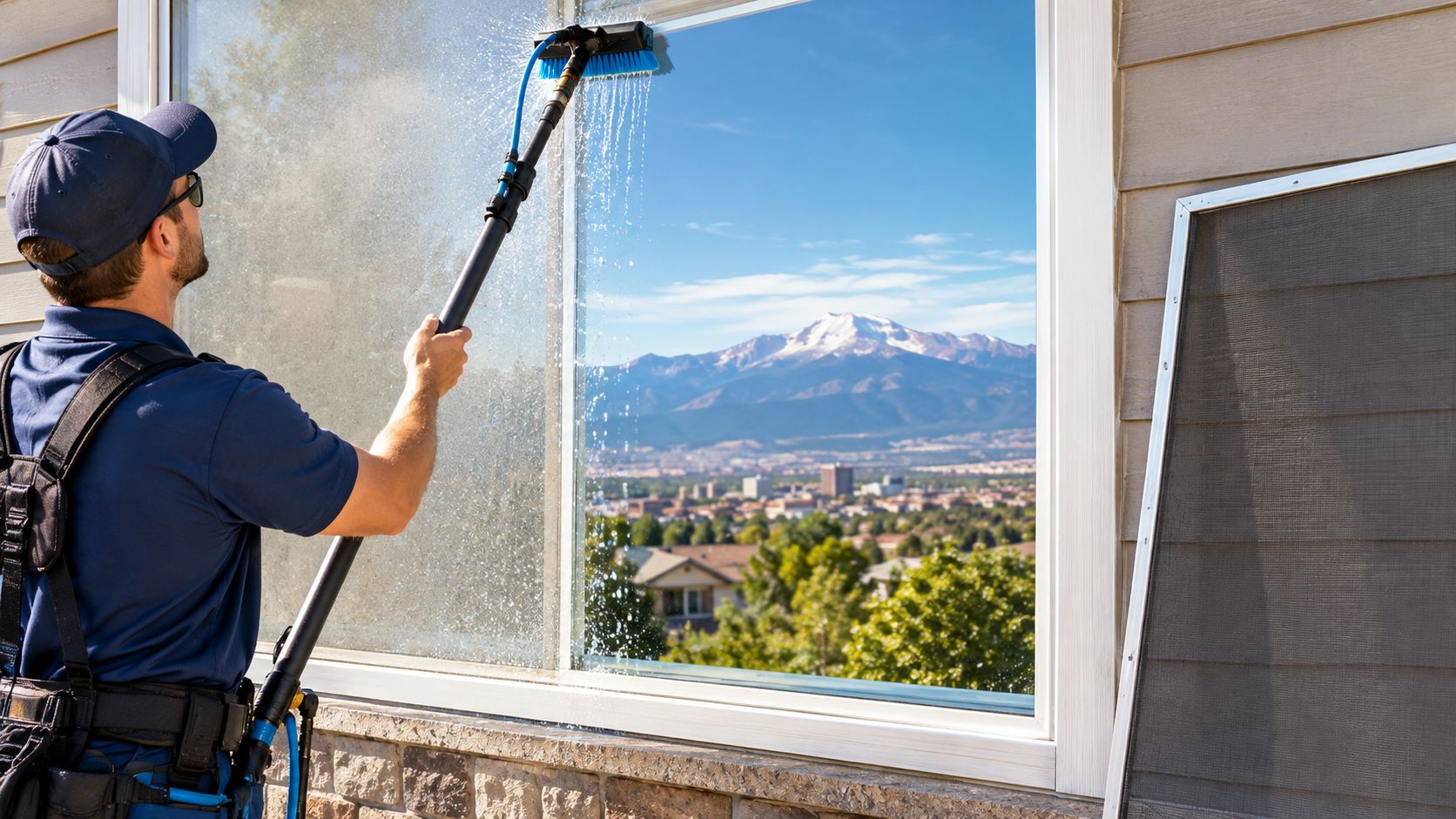
After the hard water deposits are gone, we perform a final, crucial step: a pure-water rinse. We use a multi-stage water purification system to strip all dissolved solids out of our rinse water. This guarantees that when your windows dry, absolutely no new minerals are left behind to cause spots or streaks.
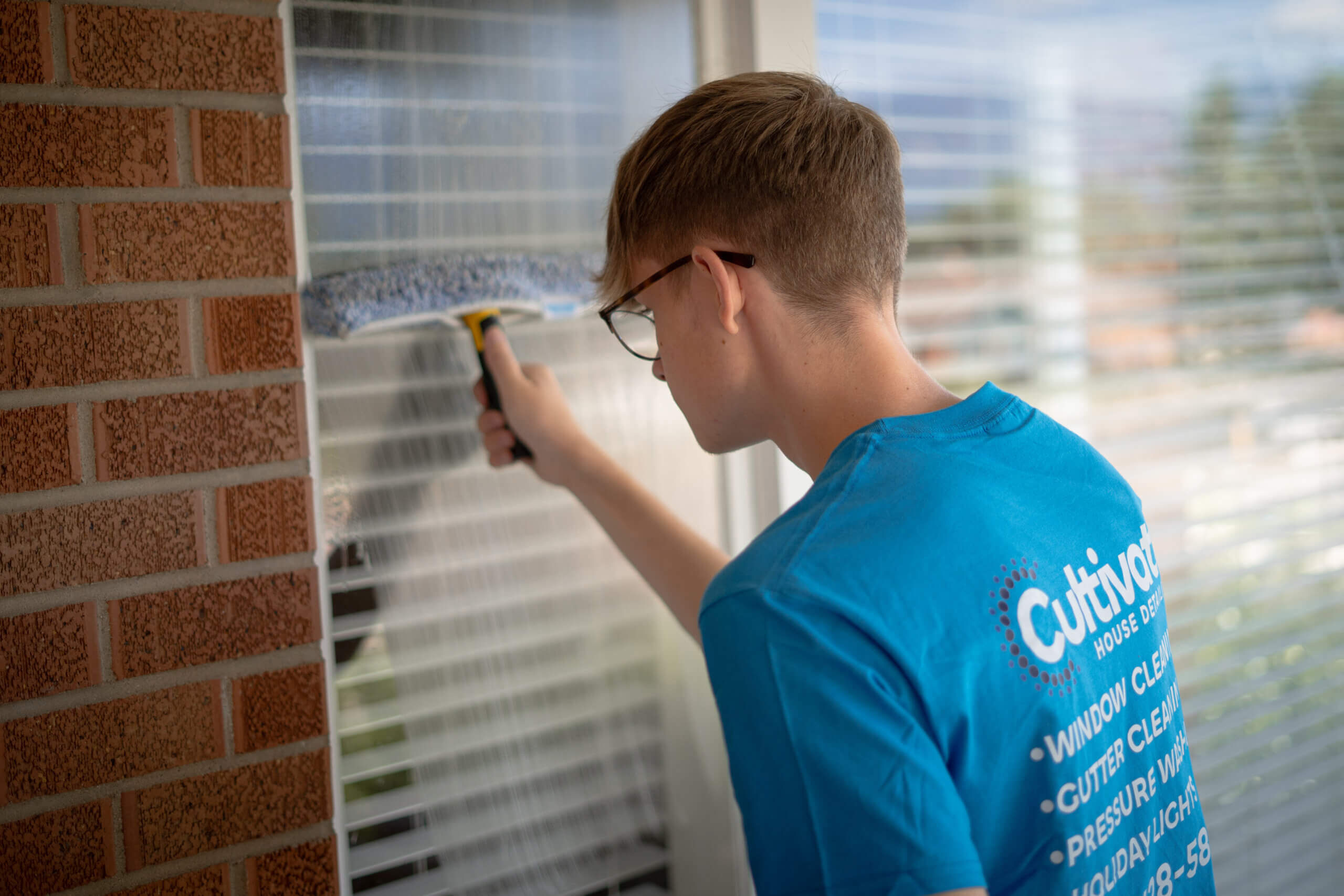
Finally, we do a thorough walk-around inspection with you to make sure you are 100% satisfied with the results. Our goal is to leave your windows so clear it looks like the glass isn't even there. This meticulous process is what truly sets our professional window cleaning services apart.
Removing hard water damage is intensive work. Professionals specializing in this service typically charge between $8 to $30 per pane, a price reflecting the specialized products and labor involved—about 2.5 times the cost of a standard window cleaning. We believe in transparent pricing that matches the exceptional quality of our work. Discover more insights about hard water stain removal cost structures from industry professionals and see what goes into these detailed estimates.
How to Keep Hard Water Stains from Coming Back
After putting in all that work to get your windows perfectly clear, the last thing you want is to see those chalky white spots creep back in. It’s a frustrating cycle, but the good new is that prevention is far easier than removal. With seasonal window cleaning and proper maintenance, you can protect your investment and improve your property’s appearance.
The real goal is to stop the problem at its source. For so many homeowners from Manitou Springs to Woodland Park, that source is the sprinkler system. A little proactive maintenance now will save you countless hours of scrubbing later.
Adjust Your Sprinkler Heads
This is easily the single most impactful change you can make. Seriously. Just take a few minutes to run your sprinkler system and watch where the water lands. If it’s hitting your windows, you’re basically setting the stage for hard water stains to form.
Readjust the sprinkler heads so they spray away from your home's glass. It’s a simple fix that stops the constant cycle of wetting and drying that literally bakes minerals onto your windows. For more ideas on protecting your glass, check out our guide on maintenance tips to lengthen the life of your windows.
Apply a Hydrophobic Glass Sealant
For an extra layer of defense, think about applying a professional-grade glass sealant. These products create an incredibly slick, hydrophobic surface that makes water bead up and roll right off instead of sitting there and evaporating.
A glass sealant acts like a ceramic coating for your windows. It fills in the microscopic pores of the glass, making it much harder for mineral deposits to get a foothold. This not only prevents future stains but also makes routine cleaning much faster and easier.
At Cultivate House Detailing, we offer professional sealant application as part of our exterior window cleaning services. It’s a powerful treatment that creates a durable, invisible barrier, safeguarding your windows against the harsh effects of our local water.
Schedule Regular Professional Cleaning
Ultimately, the most reliable way to keep hard water stains from ever becoming a permanent, etched-in problem is with a consistent cleaning schedule. Regular professional maintenance removes mineral deposits before they have a chance to bond with and damage the glass.
For most homes here in the Colorado Springs area, we recommend a professional window cleaning service at least twice a year. This ensures your windows stay protected and your views remain flawless. When you partner with us, you’re not just cleaning your windows—you’re investing in the long-term health and beauty of your property.
Answering Your Hard Water Stain Questions
We talk to homeowners all over the Colorado Springs area, and hard water is a topic that comes up constantly. Here are some straightforward answers to the questions we hear most often from our residential and commercial window cleaning clients, helping you understand what’s really happening to your glass.
Can Hard Water Stains Permanently Damage My Windows?
Yes, they absolutely can, and it happens faster than most people think. When those chalky white spots sit on your windows for too long, the minerals don't just sit on the surface—they begin to etch into the glass itself.
This is a chemical reaction that creates microscopic pits, causing permanent damage. Once etching occurs, no amount of cleaning will fix it. The only solutions are costly glass restoration or a full window replacement, which is why tackling these stains early is so important.
Is Your Removal Process Safe for All Window Types?
Of course. Our team at Cultivate House Detailing knows that not all glass is created equal. We’re trained to spot the differences between standard glass, tinted windows, and modern energy-efficient coatings.
We then adjust our methods, using the right professional-grade compounds and proven techniques to lift the stains without harming the window itself. We never take a one-size-fits-all approach because your property’s integrity is our top priority.
Every home in Colorado Springs is different, and so are its windows. We meticulously assess your glass to make sure our hard water stain removal process delivers flawless results without ever compromising the finish or function of your windows.
How Often Should I Have My Windows Cleaned in Colorado Springs?
With the high mineral content we have in our local water, we strongly recommend professional exterior window cleaning at least twice a year. This is the best way to keep mineral buildup in check.
However, if your windows are constantly hit with sprinkler overspray, a quarterly service is a much safer bet. This proactive schedule is the most effective way to prevent the minerals from taking hold and causing long-term damage to your glass.
Is Hard Water Stain Removal Included in a Standard Cleaning?
It typically isn't. A standard residential window cleaning is meant for removing everyday dirt, dust, and grime. Hard water stain removal is a far more intensive restoration service.
It requires specialized tools, different cleaning compounds, and a significant amount of extra time and effort. When we provide your estimate, we’ll always inspect your windows and let you know upfront if this add-on service is needed to bring your glass back to life.
Don't let stubborn mineral deposits ruin your beautiful Colorado views any longer. The team at Cultivate House Detailing has the professional tools and expertise to safely restore your glass to a crystal-clear shine. Request your free estimate today for professional window cleaning in Colorado Springs, CO.
Need it done properly the first time? Cultivate House Detailing offers residential window cleaning in Colorado Springs. Get a free quote.
Serving Woodland Park and the surrounding Colorado Springs area — see our window cleaning services in Woodland Park.