How Window Cleaning Companies Handle Mineral Stains and Hard Water Spots
A window can be freshly washed and still look cloudy when the afternoon sun hits it. Instead of ordinary dust or fingerprints, the glass may be covered with pale circles, streaks, or a rough-looking haze that refuses to disappear with standard glass cleaner.
These marks are commonly known as hard water spots or mineral stains. They form when water dries on the glass and leaves dissolved minerals behind. The U.S. Geological Survey explains that water hardness is primarily associated with dissolved calcium and magnesium, which can remain on glass as a cloudy film after the water evaporates.
Sprinkler overspray is a frequent cause on residential windows. Mineral spots can also result from runoff, irrigation systems, improperly directed hoses, and repeated exposure to untreated tap water. Over time, separate droplets can develop into a widespread haze that affects natural light and makes the glass look neglected.
Professional window cleaning companies approach these stains differently from ordinary dirt. The process begins by identifying the type and severity of the buildup, selecting a method that is appropriate for the glass, and setting realistic expectations about what can be removed.
At Cultivate House Detailing, we provide professional window cleaning and hard water stain removal for homes and businesses throughout Colorado Springs and surrounding communities. Our technicians clean interior and exterior glass, including difficult-to-reach windows up to four stories high, using professional solutions, squeegee techniques, and purified-water equipment.
Hard Water Spots Are Different From Ordinary Dirt
Dust, pollen, fingerprints, and insects generally sit on the surface of the glass. They can often be loosened with a professional cleaning solution and removed through scrubbing, squeegeeing, and detailing.
Mineral stains behave differently. When a droplet of hard water evaporates, its mineral content does not evaporate with it. The calcium, magnesium, and other dissolved material remain behind. Repeated wetting and drying can build additional layers in the same area.
Early mineral spots may appear as small white circles. More advanced buildup can create a cloudy film, rough patches, crusty edges, or marks that remain visible after routine window washing. Cultivate House Detailing frequently encounters these conditions on windows affected by sprinkler systems, strong sunlight, wind, and extended dry periods around Colorado Springs.
Recognizing the difference matters because simply applying more soap is not always effective. Soap is useful for dirt and organic grime, but mineral deposits may require a treatment designed to soften or break down the buildup.

The Process Starts With Examining the Glass
Before attempting stain removal, a professional window cleaner should evaluate the condition of the pane.
The technician may look at where the staining appears, how widespread it is, whether the surface feels rough, and whether the marks change when the glass is wet. They may also consider how long the buildup has likely been present and whether nearby sprinklers or runoff continue to reach the window.
This evaluation helps distinguish removable surface deposits from possible glass damage. A mineral spot sitting on the glass may respond well to professional treatment. A mark caused by long-term etching may remain even after the deposit itself has been removed.
The cleaner should also examine the surrounding materials. Window frames, painted trim, seals, siding, and decorative finishes may not tolerate the same products or agitation that can be used on the center of a glass pane.
Professional treatment is therefore not about choosing the strongest available chemical. It is about choosing an effective method while limiting unnecessary risk to the glass and the property.
Professionals Usually Begin With the Gentlest Effective Method
Experienced window cleaners generally start conservatively. The first objective is to determine whether the stain can be removed without aggressive restoration.
The pane may first be washed to remove loose dust and grit. This step is important because scrubbing mineral buildup while abrasive dirt remains on the surface could increase the risk of scratching.
A mineral-removal solution may then be applied and allowed to remain on the affected area for a controlled amount of time. This gives the product an opportunity to soften or dissolve the deposits instead of relying entirely on force.
The technician can use a non-abrasive pad or another glass-appropriate tool to agitate the buildup gently. The area is then rinsed and evaluated. The process may be repeated when the deposit is responding but has not been fully removed.
Cultivate House Detailing’s local hard water stain guidance emphasizes using the right method, suitable tools, controlled agitation, and patience rather than attempting to scrub the spots away as quickly as possible.
Why Aggressive Scrubbing Can Make the Problem Worse
When mineral spots do not respond to household glass cleaner, homeowners may reach for rough sponges, razor blades, powdered abrasives, or increasingly strong chemicals.
That approach can introduce new problems. An abrasive tool may scratch the glass or damage a coating. A blade used at the wrong angle can leave permanent marks, especially when grit is trapped beneath it. Harsh chemicals may also affect frames, seals, paint, stone, or nearby landscaping.
Even a product that is appropriate for one type of glass may not be suitable for every pane. Tinted surfaces, coated glass, specialty windows, and older materials may require additional caution.
Professional cleaners control the amount of pressure, keep the working area properly lubricated, and check the surface regularly rather than continuing until the stain disappears at any cost. If the cleaner believes further work could damage the pane, the responsible choice is to stop and explain the remaining condition.
The goal is clearer glass, not replacing mineral spots with scratches.

Purified Water Helps Prevent New Spots During Routine Cleaning
Removing an existing mineral stain is only part of the process. The final rinse should not leave a new layer of minerals behind.
Ordinary tap water contains dissolved material. When it is allowed to dry on glass, the water evaporates while the minerals remain. Cultivate House Detailing uses water-fed pole systems with purified, deionized water for many exterior windows. Because the minerals have been removed from the rinse water, it can dry without leaving the same type of tap-water spotting.
The water-fed pole system also allows technicians to scrub and rinse many upper-story windows from the ground. This is useful for mineral-spotted glass above rooflines, landscaping, entryways, and other areas where repeated ladder placement would be less practical.
Purified water is especially valuable for ongoing maintenance. It helps produce a spot-free rinse, but it should not be confused with a complete restoration method for severe, established mineral staining. Older deposits may still require a separate treatment before the purified-water cleaning can provide the desired finish.
Some Stains Have Already Etched the Glass
One of the most important parts of professional hard water stain removal is knowing when the problem is no longer limited to surface buildup.
Minerals can remain on a pane through repeated cycles of moisture, evaporation, and sun exposure. Over time, visible marks may remain even after the accessible deposit has been treated. This can indicate that the surface has become etched or otherwise permanently altered.
At that stage, normal window cleaning may improve the appearance without restoring the pane to a like-new condition. More specialized glass restoration may be needed, and severely damaged panes may eventually require replacement.
A trustworthy window cleaning company should not guarantee that every hard water spot will disappear completely before examining the glass. Instead, the technician should explain what appears removable, what may require restoration, and what results are realistic.
Cultivate House Detailing differentiates between routine dirt and mineral buildup and notes that professionals can make better judgments about which stains can be removed and which may represent permanent surface damage.
Windows Near Sprinklers Often Need the Most Attention
Sprinkler overspray frequently creates concentrated mineral spotting on lower-level windows, patio doors, and glass near landscaped areas.
The water repeatedly lands in approximately the same pattern. Colorado’s bright sunlight and dry conditions then cause it to evaporate, leaving a fresh layer of minerals after each irrigation cycle. Over time, the spots can become visible from both inside and outside the home.
Cleaning the glass without correcting the source means the problem is likely to return. Homeowners should inspect the direction and range of nearby sprinkler heads. A small adjustment may prevent water from reaching the window while still providing adequate coverage for the landscaping.
Drip irrigation may be another option in certain areas. The appropriate solution depends on the property, but the main objective is to stop untreated irrigation water from repeatedly drying on the glass.
After professional stain removal, correcting the overspray can help the clearer result last longer.

Screens, Tracks, and Frames Should Not Be Ignored
Mineral residue may not be limited to the center of the pane. It can collect around lower edges, tracks, frames, sills, and screens positioned near irrigation.
A detail-focused service considers how these surrounding areas affect the window. Dirty screens can hold dust and transfer residue back toward the glass. Tracks may contain soil, insects, and dried runoff. Frames and sills can show crusty deposits where water repeatedly collects.
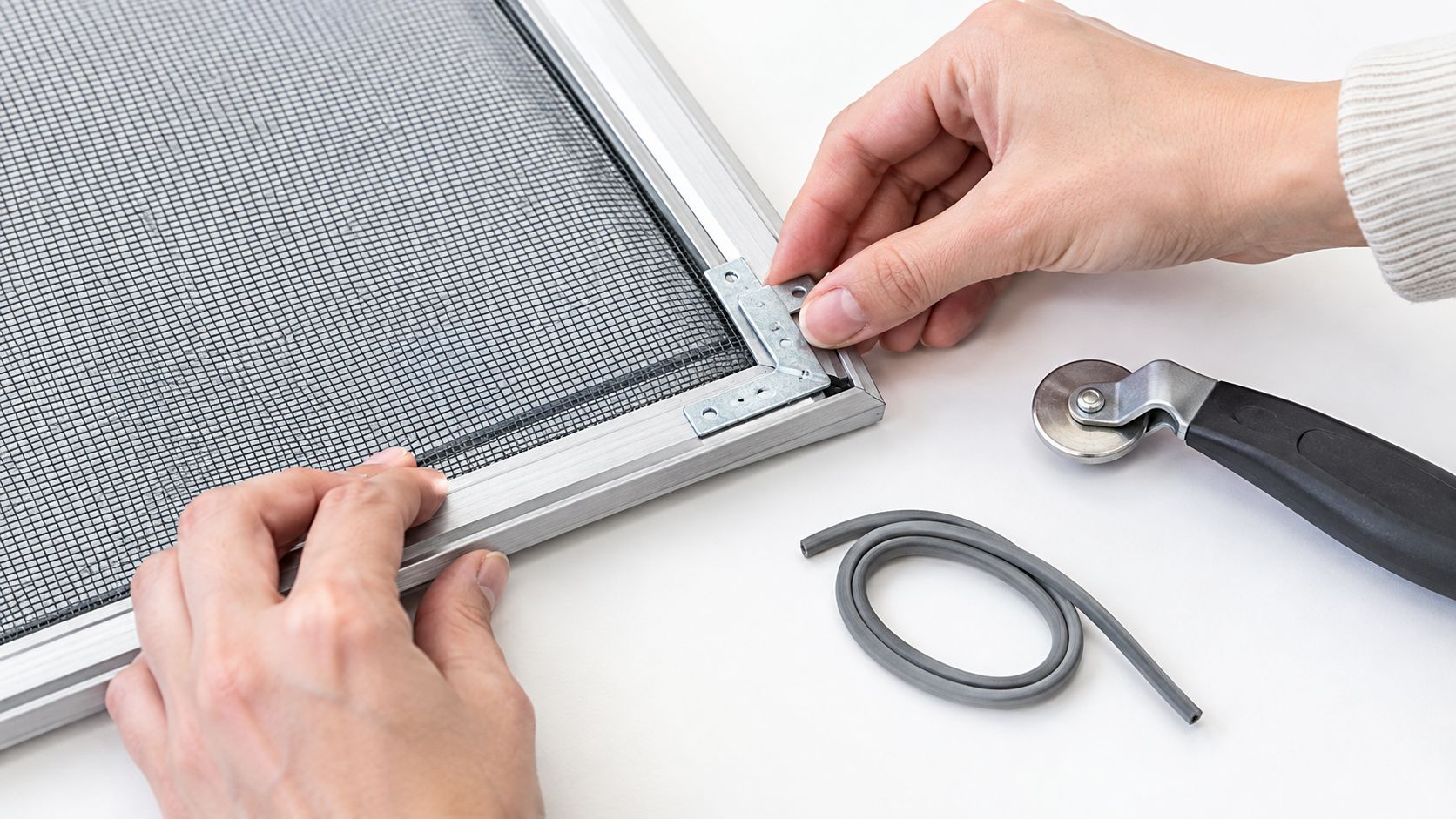
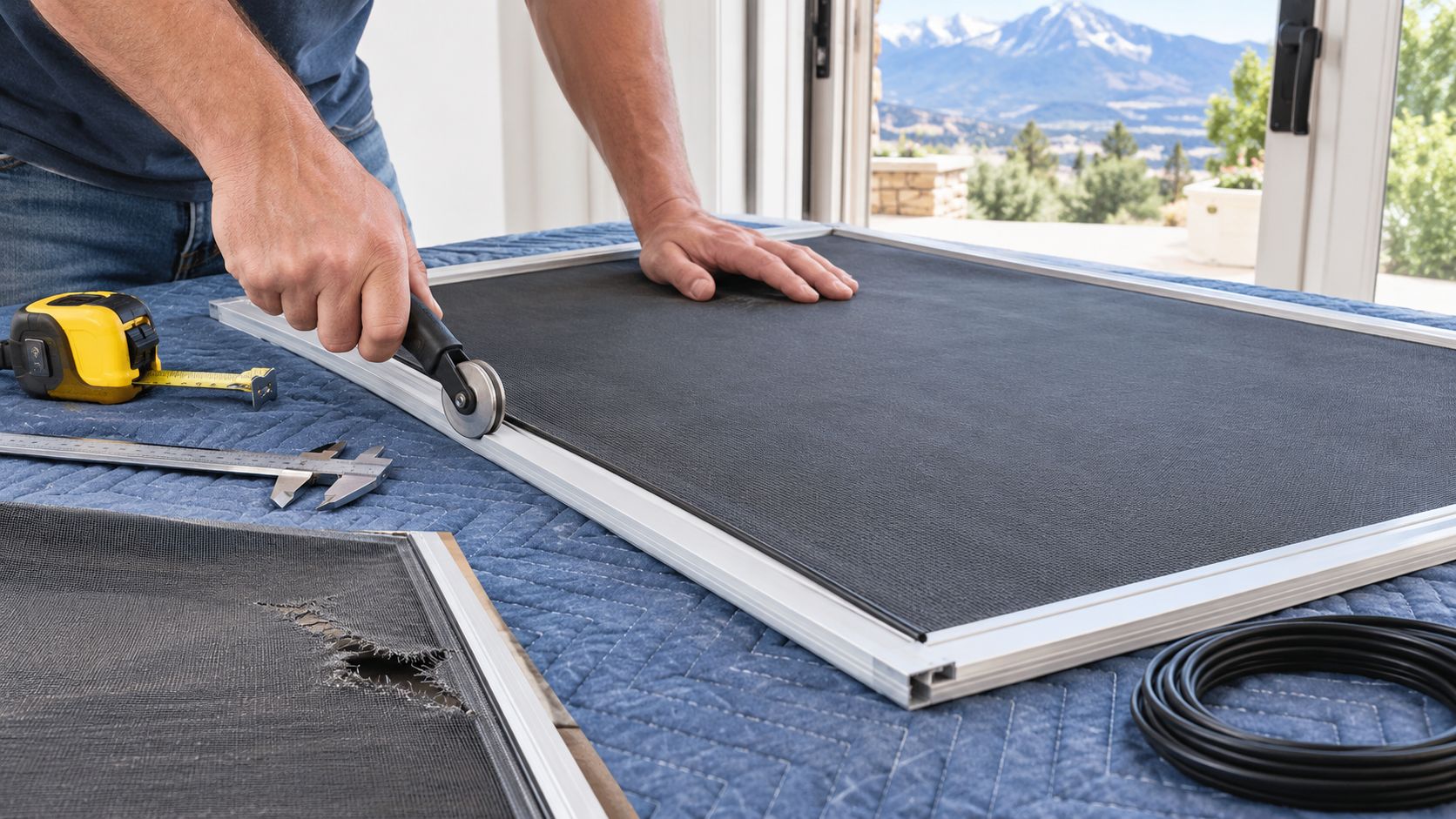
Cultivate House Detailing allows customers to include screen and track cleaning in their customized proposal. The company also provides screen repair and replacement when mesh is torn or frames no longer fit correctly.
Cleaning these components does not repair damaged seals, deteriorating frames, or mechanical window problems. It does create a more complete result and helps prevent surrounding grime from making freshly treated glass look unfinished.
Regular Cleaning Makes Mineral Buildup Easier to Manage
Hard water stains are usually easier to address when they are still light surface deposits. Waiting until several seasons of sprinkler residue have baked onto the glass can make removal more time-consuming and less predictable.
Cultivate House Detailing recommends professional window cleaning at least twice per year as a general maintenance guideline. The appropriate schedule may vary based on irrigation exposure, nearby construction, wind, tree coverage, pollen, and the homeowner’s preferences.
Homes with windows directly in the path of sprinklers may require more attention. The most effective plan combines regular cleaning with correcting the source of the water.
Maintenance also gives technicians an opportunity to notice changes early. A few new spots are easier to discuss and address than a cloudy film covering several large panes.
Professional Service Is Especially Valuable for High Glass
Mineral spots are difficult enough to treat at ground level. When they appear on second-, third-, or fourth-story windows, DIY attempts also involve ladder risk and limited control over the cleaning tools.
Cultivate House Detailing can reach exterior residential windows up to four stories high, including picture windows, bay windows, and dormers. The company uses a combination of professional squeegee methods and water-fed pole equipment based on the window and access conditions.
Professional access allows the technician to work systematically rather than leaning from a ladder or attempting to scrub a stain with an improvised extension tool. It also allows the entire property to be cleaned more consistently instead of leaving the hardest windows permanently cloudy.
Clearer Glass Begins With the Right Expectations
Hard water spots are not all the same. Some are recent surface deposits that respond well to professional treatment. Others have accumulated for years or have begun to alter the glass.
A qualified window cleaning company evaluates the pane, removes loose grime, applies an appropriate mineral treatment, agitates the surface carefully, rinses thoroughly, and checks the result. Purified water can then help provide a spot-free finish without introducing new tap-water minerals.
Cultivate House Detailing provides residential and commercial window cleaning, hard water stain removal, screen cleaning, track cleaning, and exterior window washing throughout Colorado Springs and nearby communities. Our service area includes Black Forest, Falcon, Gleneagle, Monument, Palmer Lake, Fort Carson, Rock Creek Park, Manitou Springs, Cascade, Green Mountain Falls, and Woodland Park.
When mineral stains are making the windows look cloudy, the solution is not necessarily stronger scrubbing. It is careful evaluation, the correct tools, controlled treatment, and a maintenance plan that keeps the same water from repeatedly leaving its mark.
https://www.google.com/maps?cid=10139285130722580475