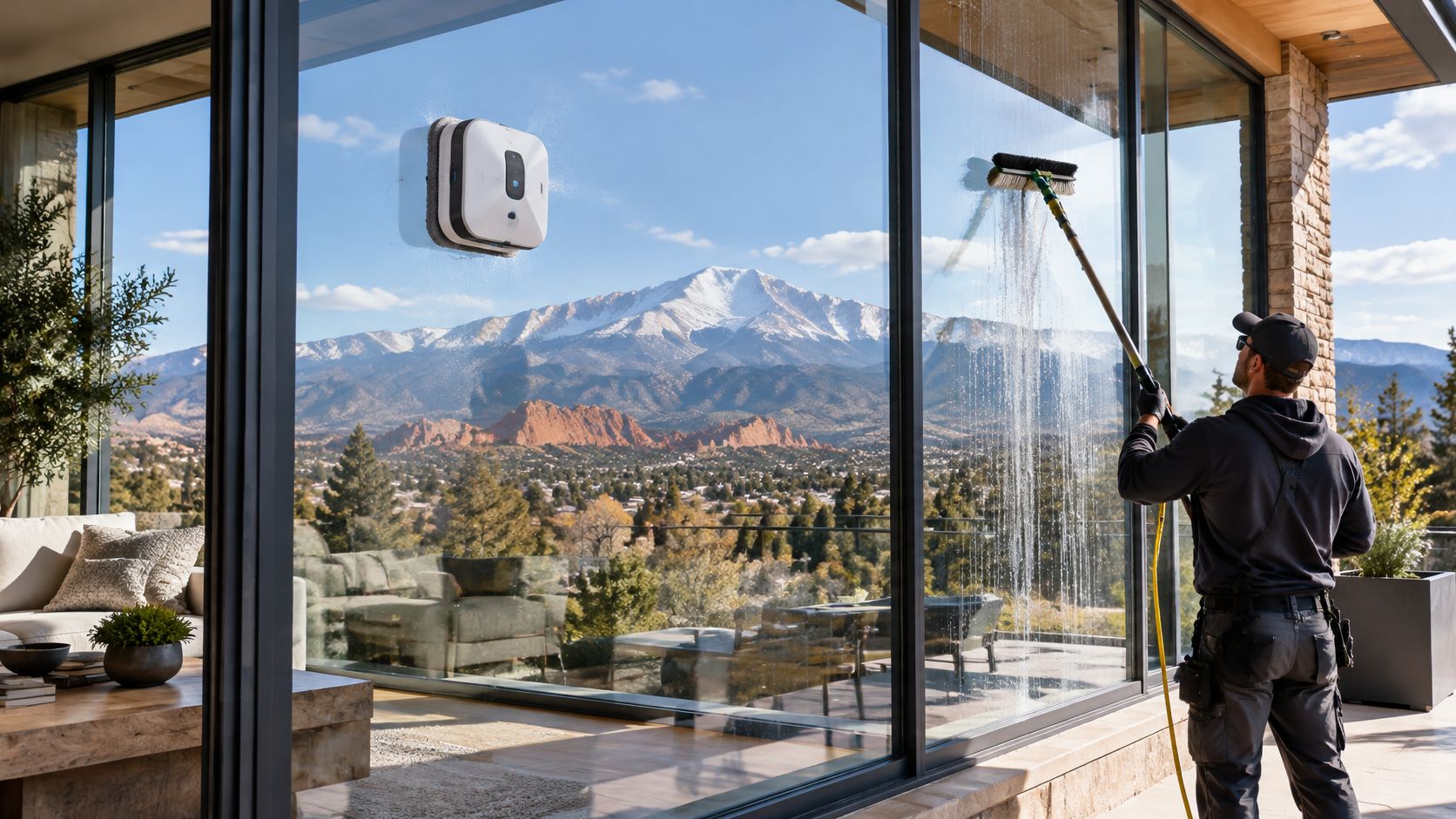
The popular advice says to buy a robot, press start, and stop thinking about your windows. That's the wrong test for window cleaning in Colorado Springs, CO. A robot only sees part of the job. It doesn't remove a screen, flush a gritty track, treat hard-water film, or check a frame seal after freeze and thaw.
If you need window cleaning near me, judge smart window cleaning by task, not by gadget. Flat glass is one task. Frames, tracks, screens, mineral scale, and upper floors are different tasks, and each one needs a different tool. That's where professional window cleaning still earns its place for homes and businesses across Colorado Springs.
I'm going to be candid about what works. Some smart tools save real time on reachable panes and storefronts. Others create a clean stripe in the middle of a window and leave the edges, corners, and hardware looking worse by comparison. The right choice is rarely all robot or all manual. It's a matched method for your glass, your height, and the soil Colorado weather leaves behind.
What Smart Window Cleaning Covers Today
Smart window cleaning means using technology to plan, guide, or time window work. It works like a smart thermostat: sensors and schedules drive the timing, while a person still stands behind the result.
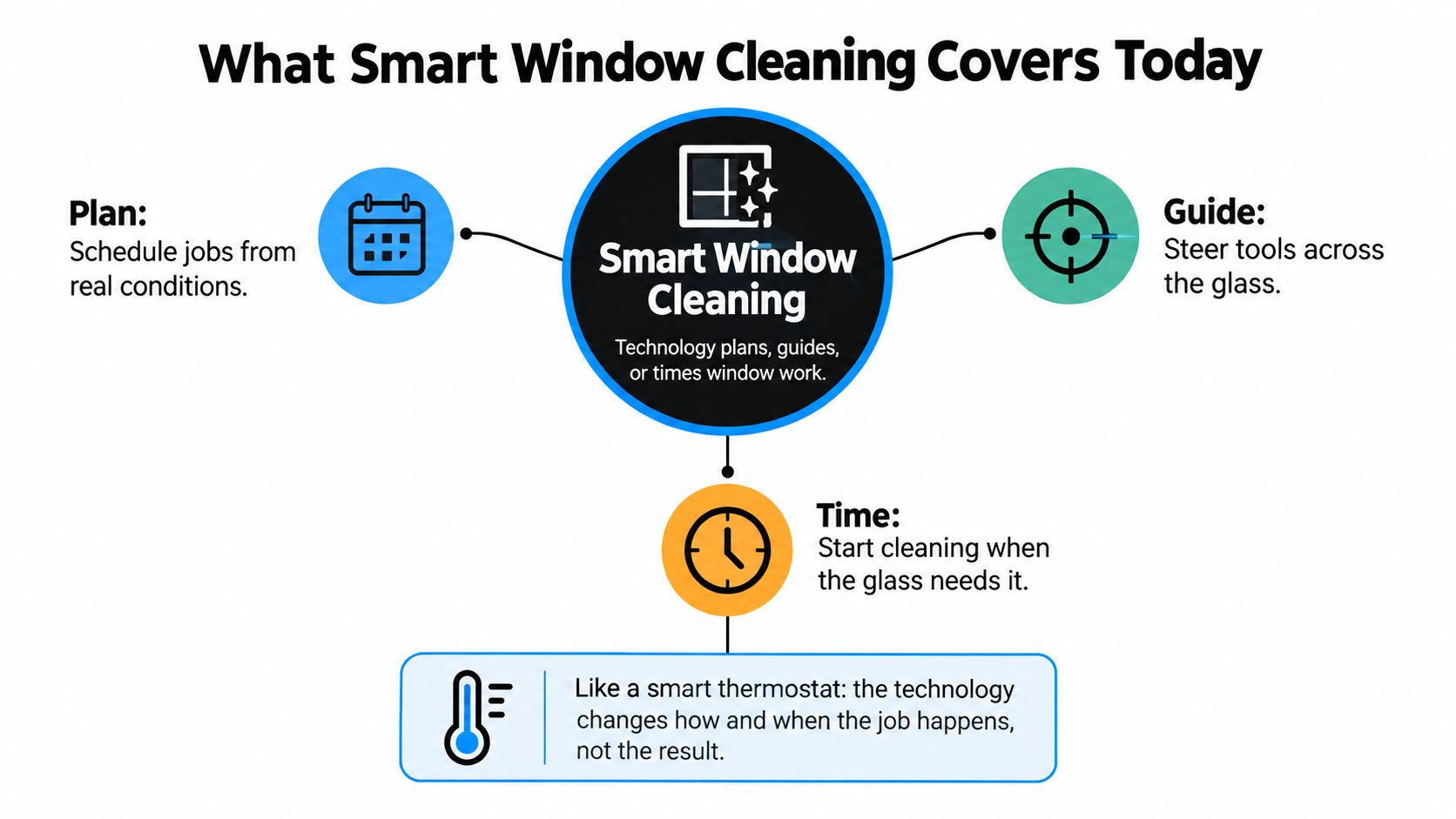
Four methods cover most of the market today, and each one owns a different slice of the job.
| Method | How It Works | Best Suited For | Main Limit |
|---|---|---|---|
| Robotic window cleaner | Moves across flat glass on suction or magnetic adhesion along a programmed path | Accessible flat panes, patio and sliding doors | Cannot handle frames, tracks, screens or hard-water scale |
| Water-fed pole system | Telescoping pole delivers purified water to a brush from the ground | Ground-floor and reachable windows without a ladder | Reach is limited by pole length and water supply |
| Purified water system | Deionized or reverse osmosis water rinses the glass and dries without mineral spots | Hard-water spotting, storefronts, residential glass | Water alone does not remove heavy grime or sealant residue |
| IoT and sensor scheduling | Sensors or app data trigger cleaning when dirt or time thresholds are reached | Multi-building portfolios, property managers, busy commercial frontage | Sensors detect dirt but cannot identify the contaminant, so a technician must verify |
Read the limits column as a job list. Everything in it, from frame detailing to verifying what a sensor flagged, still belongs to a technician.
A robot can maintain a patio door between visits while a crew details the frame around it. The Sector Data Insights robot window cleaner report found apartment residents represented 74% of residential unit sales. Detached Colorado homes often have less of that easy, flat access, which is one reason the same tool fits one property and misses on the next.
Which Smart Method Fits Your Property
Match the tool to glass height, glass type, and access, not to the marketing. A sliding door you can reach from a patio is a different job from a third-floor picture window over a sloped yard. The table below is how I would sort most residential window cleaning and commercial window cleaning decisions in Colorado Springs.
| Property Type | Best-Fit Approach | Why | Where It Falls Short |
|---|---|---|---|
| Single-story home with patio or sliding doors | Robotic cleaner for flat panes, pole system for upper reach | Flat, accessible glass suits robot paths | Frames, tracks and screens still need hand cleaning |
| Two- to three-story home | Water-fed pole system with a professional crew for upper panes | Pole reaches ground-floor and some second-floor glass | Upper floors need equipment and safe access |
| Ground-floor storefront or office | Purified water system with a crew for frames and signage edges | Street visibility and hard-water spotting favor purified rinsing | Heavy grime and sealant residue need crew treatment |
| Office, retail or dealership up to four stories | Professional crew with regulated access, plus sensor-based visit scheduling | Scheduled visits keep high-traffic frontage clean | Robots cannot provide the fall protection required at height |
| Buildings above four stories | Professional crew with certified access equipment; robots only as an inspection aid | Regulated access and inspection are the priority | Smart tools cannot replace fall protection, planning and verification |
Height Changes the Rules
Height isn't just a longer reach problem. It's a safety and compliance problem. The OSHA aerial lifts fact sheet requires aerial-lift controls to be tested each day before use, permits only authorized operators, and requires a body belt or harness with a lanyard attached to the boom or basket. Workers also can't sit or climb on the basket edge or use planks and ladders to gain extra height.
A robot doesn't meet any of that. It doesn't inspect the lift, stabilize equipment, spot overhead hazards, or rescue itself if adhesion fails over a sidewalk. For offices, restaurants, dealerships, and retail buildings with high glass, the access plan matters as much as the brush or squeegee.
Practical rule: If a person would need fall protection to reach the glass, don't judge a robot by its cleaning path. Judge it by its documented retention, weather limits, and recovery plan.
Where a Local Crew Fits
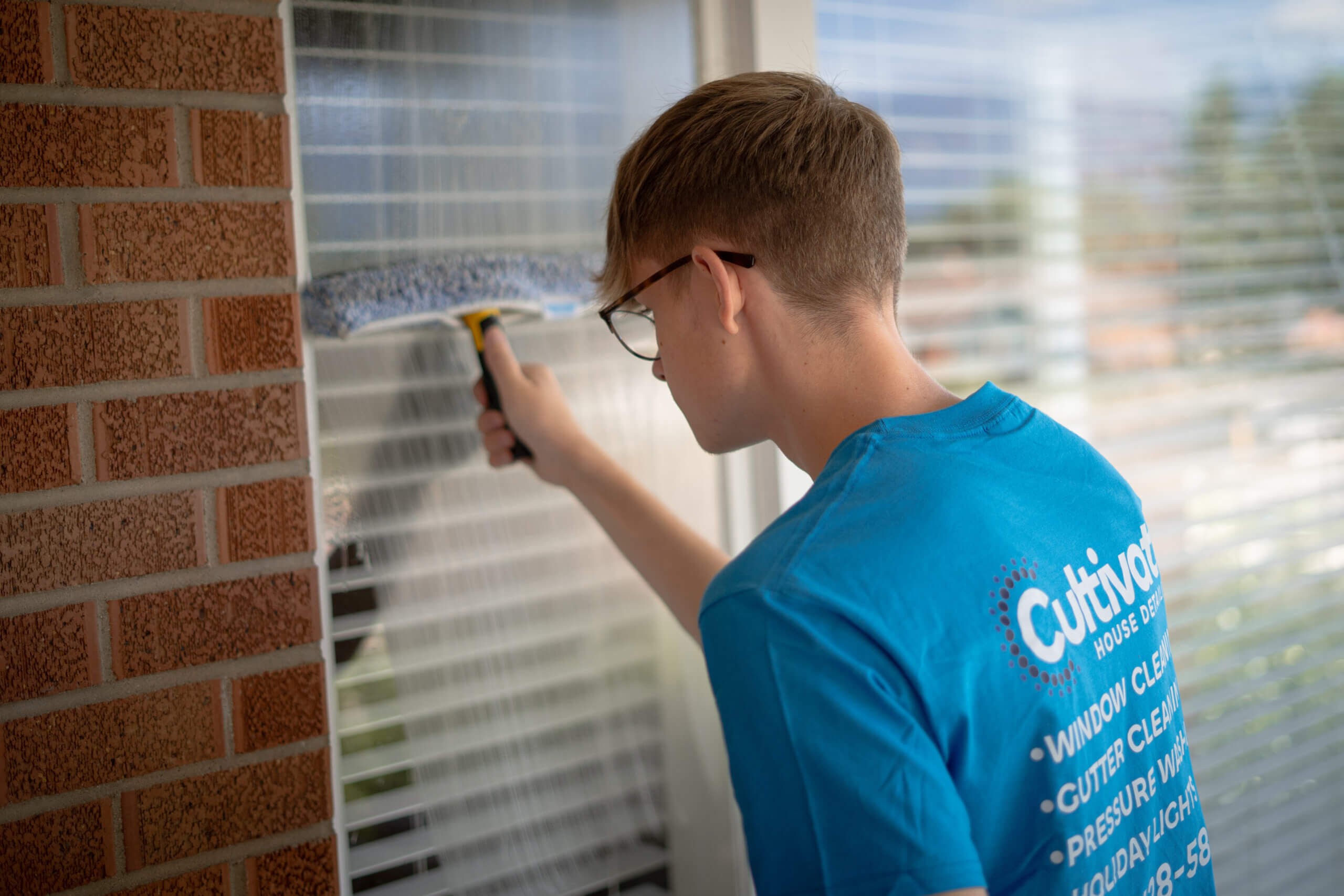
Cultivate House Detailing is a locally owned Colorado Springs company that cleans residential and commercial windows up to the fourth story with professional tools and proven techniques. That range covers most homes, offices, and storefronts in the area without pretending every building is a robot job. The crew pairs exterior window cleaning and interior window cleaning with screens, tracks, and frames, because clean glass next to a dirty track doesn't look finished.
For homeowners comparing equipment, the company's overview of advanced cleaning systems for exterior work is a useful place to see how tools are matched to surfaces. I would look for three things in any provider. Streak-free results you can verify in direct sun, punctual scheduling, and careful attention to detail around edges and hardware.
Say you've got a two-story home in Briargate with large west-facing panes. A water-fed pole may handle much of the exterior efficiently, while a technician handles interior glass, screens, and mineral spots near sprinklers. Say you manage a dealership with tall showroom glass. Scheduled crew visits and purified rinsing will protect visibility better than sending a small robot across panes it wasn't sized for.
Smart tools handle reachable flat glass well. Crews handle upper floors and detail work. If your property has both, plan for both, and don't pay robot money to solve a ladder, lift, or hard-water problem.
Where Robots and Automation Fall Short
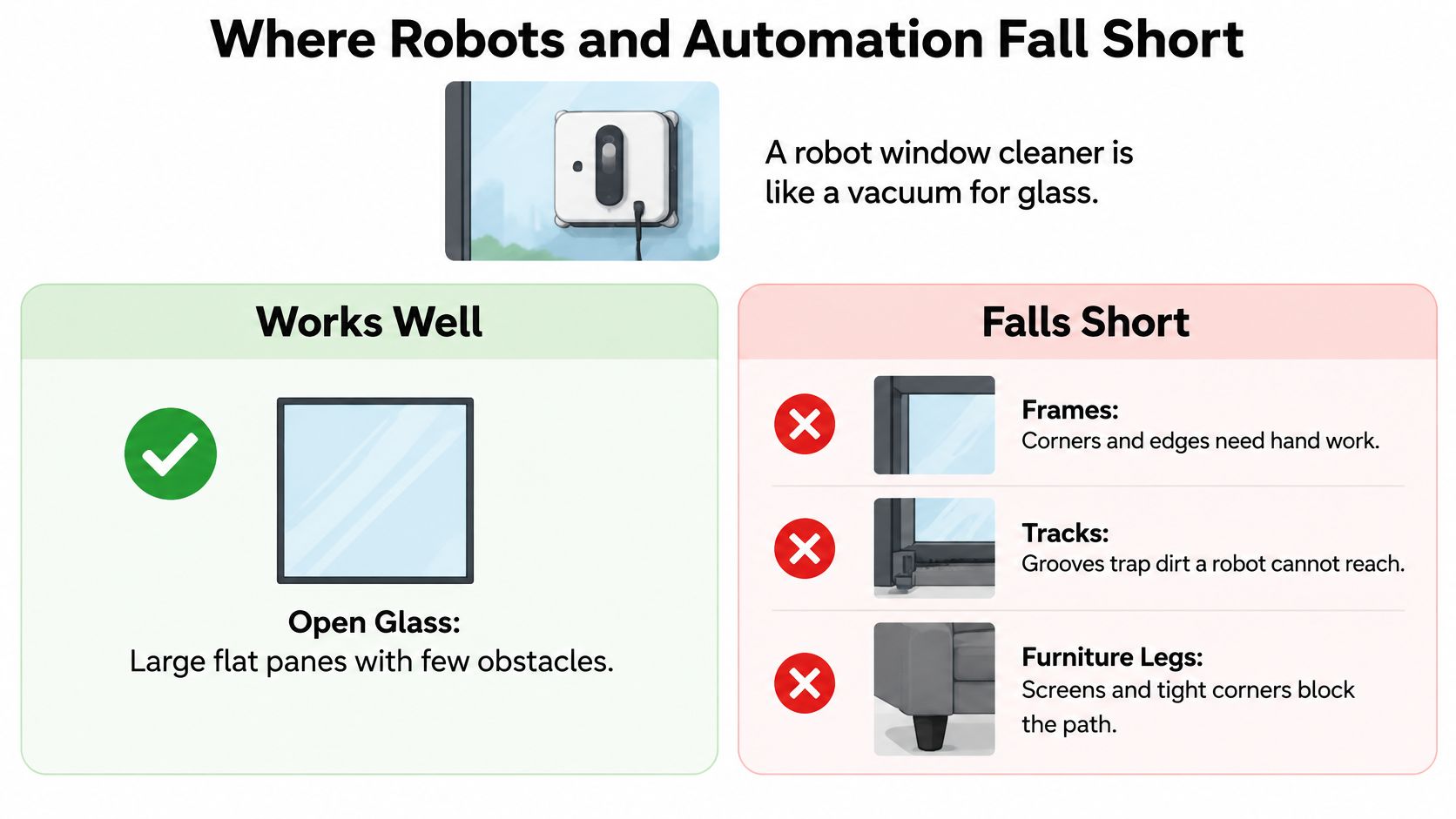
A robot window cleaner is like a vacuum for glass. It does fine on open floor. It can't clean around the furniture legs, and on a window those legs are frames, corners, tracks, and screens.
Vertical glass also creates a direct fall hazard if suction or contact stops. A technical survey of window cleaning robot techniques explains that vacuum systems must control leakage and monitor internal pressure so adhesion stays stable. Infrared dirt detection in that research can also confuse reflections, shading, coatings, or water films with soil.
- Frames and tracks: Grooves trap grit that a flat pad skips, so they need brushes and hand wiping.
- Hard-water scale: Mineral film and sealant residue need treatment, dwell time, and controlled agitation.
- Irregular glass: Curved, divided, decorative, or uneven panes disrupt paths and brush pressure.
- Power loss: A stopped cycle can leave solution drying on the glass or a unit stuck out of reach.
Before you trust one, verify edge detection, pressure monitoring, secondary retention, surface compatibility, weather limits, and a rescue procedure. Travel speed tells you very little. On reachable glass, a robot is an inspection or productivity aid. When frames, hard-water film, or upper floors are involved, hire a crew.
How Sensors Replace Guesswork in Scheduling
Say a property manager runs three buildings in Colorado Springs and puts every one on the same calendar. A shaded back office gets cleaned as often as a busy street-facing storefront. The storefront looks dirty before its turn arrives, while the office gets visits it doesn't need. That manager isn't short on effort. The schedule is blind.
Condition First, Calendar Second
Sensor scheduling works more like a smoke detector than a calendar reminder. The trigger is the condition, not the date. A crew goes where the glass has crossed a visible dirt threshold, and cleaner elevations wait.
The 4TU description of a Dutch university prototype describes a sensor enclosure mounted near the glazing to measure surface dirt several times per day, then extrapolate readings to nearby panes. That shift from fixed intervals to contamination-triggered service can cut unnecessary visits while catching dust, pollen, mineral residue, and pollution earlier.

Placement decides whether the readings mean anything. One sensor can't represent every pane on a building. Put sensors on representative elevations, including street-facing, shaded, and weather-exposed sides, then read them alongside orientation, precipitation, nearby construction, and local dust conditions.
What Sensors Cannot Tell You
A sensor can say the surface looks dirty. It can't tell you why. Optical readings generally reflect reduced reflectance or a changed surface response, not the chemistry of what's sitting on the glass.
A dirty reading is a reason to inspect, not a diagnosis.
A technician still has to confirm whether you're looking at removable soil, hard-water scale, sealant residue, or actual glass damage. Each one calls for a different response. Loose dust may rinse away with purified water. Scale needs targeted treatment. Damaged coatings or failed seals shouldn't be scrubbed harder in hopes they'll clear.
That hybrid workflow is where sensors earn their keep for commercial window cleaning. Sensors prioritize buildings and elevations. People choose the chemistry, agitation, water quality, and access method. For a multi-building portfolio, that saves inspection labor without handing quality control to a dashboard.
Homeowners can use a simpler version of the same idea. Set app or calendar reminders after dusty spring winds, nearby construction, heavy pollen, or wildfire smoke, then look at the glass in angled morning light. Check the street-facing and sprinkler-facing panes first, since they usually show buildup before sheltered glass does.
Ask any provider one direct question: How do you decide when my windows need a visit? A good answer mentions exposure, soil type, and what changed since the last service. If the answer is only a fixed date, you're buying a calendar, not condition-based seasonal window cleaning.
What Drives the Price of Smart Window Cleaning
There's no single honest price for smart window cleaning. A quote changes with the property, the access, and the amount of hand detail hiding around the glass. Anyone who gives you a firm number without asking about stories, screens, and hard-water spotting is guessing.
| Price Factor | How It Changes the Quote | What to Ask Your Provider |
|---|---|---|
| Number of stories and access | Higher windows need lifts, more labor and fall-protection setup | Which access equipment is included and how it is inspected |
| Window count and size | More and larger panes lengthen the job | Is the rate per window or per property |
| Glass type | Decorative, leaded or specialty glass needs gentler cleaners and slower technique | Are specialty panes identified before work starts |
| Hard-water buildup | Mineral scale needs treatment beyond a standard wash | Is hard-water removal included or quoted separately |
| Screens, tracks and frames | Detail work adds time and often appears as separate line items | Are screens and tracks cleaned and is screen repair offered |
| Recurring versus one-time service | Recurring schedules usually lower the cost per visit | What discount applies to a set schedule |
| Robot purchase | Equipment is a one-time cost with ongoing upkeep and parts | What upkeep and replacement costs apply over the first two years |
Robot Cost Versus Crew Cost
A robot looks cheaper because you see one purchase price. You still own the upkeep. Pads wear out, batteries age, suction components need attention, and you'll spend your own time placing, moving, cleaning, and storing the unit. If it misses corners or can't treat mineral film, you may still pay for professional window cleaning afterward.
A crew quote bundles different costs. You're paying for equipment, insurance, safety setup, travel, and time on site, plus the hand work a robot skips. That includes screen cleaning, track cleaning, frame wiping, and checking whether a spot is surface soil or damage that shouldn't be scrubbed.
I would compare total cost per clean window, not sticker price against service price. Ask how many panes the robot can finish on your home, how long you'll spend supervising it, and what remains for you to do by hand. For a condo with two large sliding doors, the math may work. For a two-story house with divided panes, screens, and sprinkler spots, it usually doesn't.
Why Recurring Service Changes the Math
Glass that stays on schedule is faster to clean. Dust and pollen haven't bonded through months of sun, and light mineral spotting is easier to lift before it builds into scale. That's why recurring window washing often lowers the cost per visit compared with a neglected one-time job.
Bundling can help, too. When exterior work shares one trip and setup, you may reduce travel and staging time across services. Ask whether hard water stain removal is included, quoted separately, or only attempted after a test spot. That one line item explains many quote gaps.
Cultivate House Detailing provides estimates with transparent pricing guidance and clear communication from estimate to follow-up. Use that estimate to verify the method, access plan, and inclusions for your address. General rates can't see your roofline, landscaping, screens, or second-story glass, so they shouldn't set your budget.
Colorado Springs Conditions That Shape the Method
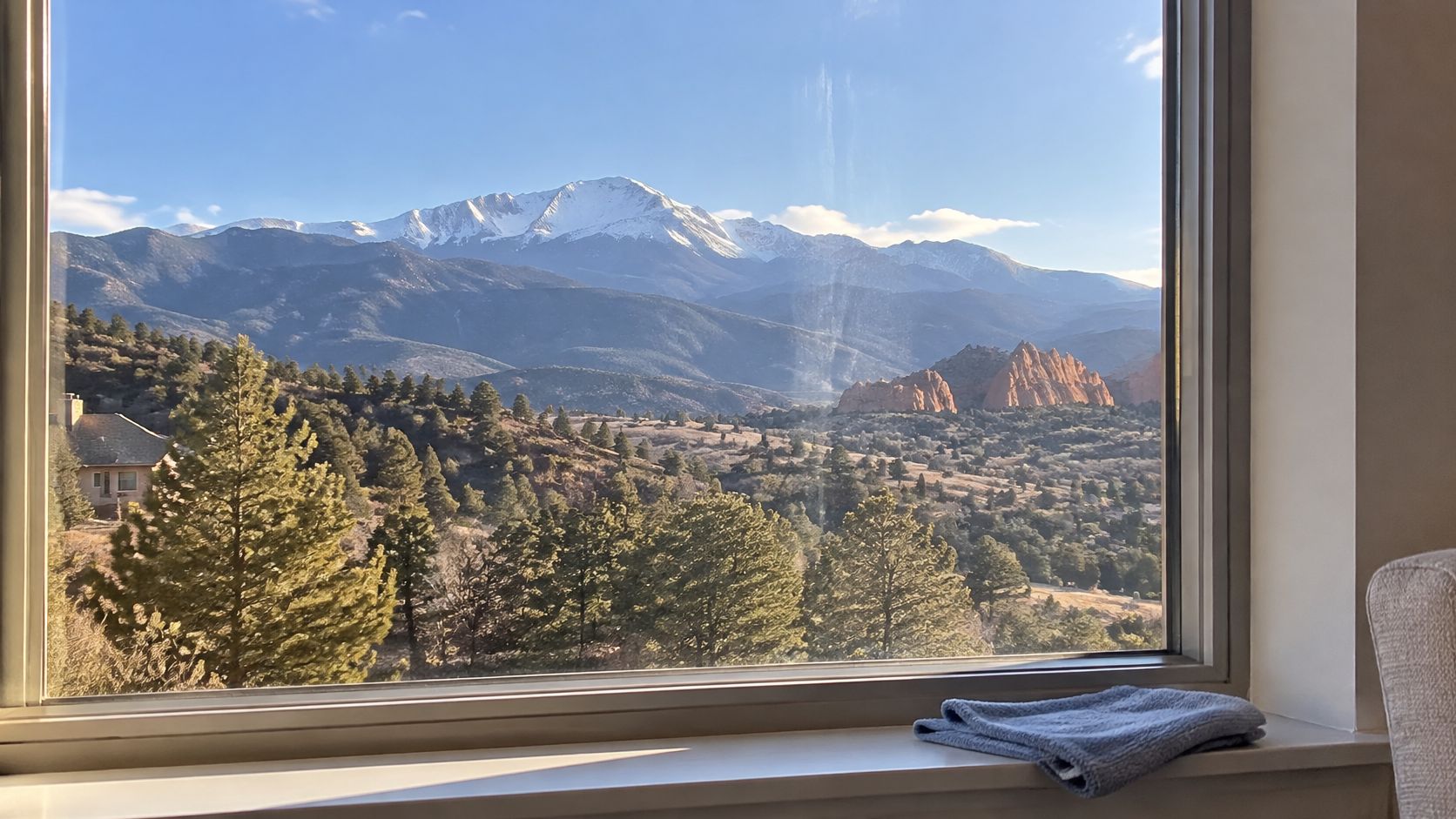
Many Colorado Springs homes frame Pikes Peak or the red rock near Garden of the Gods. When that's your daily view, a hazy pane isn't a minor flaw. You see it every morning.
Sun, Dust, and Mineral Water
High-altitude sun and dry air can dry water fast. If solution flashes dry before it's removed, you'll see spots and drag marks, especially on west and south glass. Purified water helps because it rinses without leaving the minerals tap water carries. Timing matters, too. I would avoid washing hot glass in harsh midday sun when a shaded sequence or cooler part of the day gives you more working time.
Dry spring winds push dust and pollen into screens, sills, and tracks. That buildup doesn't just sit on the pane. It washes back onto clean glass during the next rain or sprinkler cycle if the surrounding parts stay dirty. After dusty weather, storefronts and street-facing homes often need attention before sheltered rear windows do.
Mineral-heavy water creates the toughest local mismatch for automation. Sprinklers leave scale along the bottom edge first, then across the spray pattern. A robot pad or pole brush may brighten loose soil and leave the white film untouched. That's a treatment job, with a test area and the right product for the glass and surrounding materials.
The short video below shows why local conditions, not a generic schedule, should drive the method you choose.
Freeze, Thaw, and Indoor Moisture
Freeze-thaw cycles stress frame seals and joints. During service, a crew should look for gaps, cracked glazing material, loose screens, and water paths around frames. Cleaning won't repair a failed seal, but catching it early can keep a small maintenance issue from becoming a fogged pane or damaged sill.
Winter brings an inside problem, too. The U.S. Environmental Protection Agency indoor air quality guidance recommends keeping indoor relative humidity below 60%, with an ideal range of 30% to 50%. When humid air from showers or cooking hits cold glass, water condenses. Interior window cleaning removes residue, but exhaust fans and ventilation are the lasting fix.
Our local guide to how Colorado seasons challenge your windows year round connects those seasonal swings to practical upkeep. The same conditions apply in Black Forest, Monument, Manitou Springs, and Woodland Park, though wind exposure, tree pollen, and elevation shift the timing. Busy commercial corridors benefit most from scheduled frontage cleaning because road film and foot traffic soil glass faster than quiet side elevations.
Benefits of Regular Professional Window Cleaning
Clean glass changes how the whole property reads from the street. Trim, siding, stone, and landscaping look sharper when they aren't competing with gray film and water spots. For a storefront, spotless frontage tells customers the business pays attention before they reach the door. That first impression is hard to recover once fingerprints and road dust take over.
You'll also notice the light. Removing dust, pollen, and mineral film lets more daylight into living rooms, offices, and retail floors. Rooms often feel brighter without new bulbs or paint. In Colorado Springs, where the view is part of the value of the home, streak-free window cleaning restores the reason those large panes were installed.
Regular service protects the parts around the pane. Grit in tracks wears rollers and seals. Dirty screens hold moisture and debris against glass. Hard-water film gets harder to remove when sun bakes it on for another season. A technician who wipes tracks and sills can spot torn screens, sticking hardware, and early seal wear while the fix is still small.
- Curb appeal from the street. Clean frontage supports listings, showings, and walk-in business.
- More natural light indoors. Clear glass brightens rooms and workspaces.
- Early detection of wear. Seal, frame, and screen problems surface sooner.
- Fewer ladder risks for owners. Upper panes stay with trained crews and proper access.
Colorado weather creates the buildup. Regular professional window cleaning keeps it from becoming permanent damage.
Request a Smart Window Cleaning Quote in Colorado Springs
You've got enough information to make a useful request. Don't ask for a generic price for window cleaning in Colorado Springs, CO. Send the details that decide the method, then compare what each estimate includes.
- Send the property details. Note stories, approximate window count, screens, tracks, frames, and any hard-water spotting.
- Receive a named estimate. Confirm the method, access plan, safety setup, and inclusions before you approve.
- Choose the schedule. Pick one-time or recurring service and confirm the arrival window.
- Let the crew match tool to task. Reachable flat glass gets the suitable method, while frames, screens, and hard-water film get hand work.
- Check the follow-up. Walk the glass in good light, ask questions, and confirm problem spots were addressed.
What to Expect Locally
Cultivate House Detailing is locally owned, founded in 2022, and backed by five-star reviews for punctual, safety-first service. For homes and storefronts, seasonal options include permanent and holiday lighting. Related exterior services include pressure washing for patios, walkways, siding, and driveways, plus gutter cleaning, fire-mitigation clearing, and window screen repair.
I would request the quote before buying equipment. A site-specific estimate may show that a recurring crew visit costs less of your time and finishes more of the window system than a robot you'd still have to supervise. If a robot makes sense for two patio doors, you'll know that too, and you won't expect it to clean tracks it was never built to reach.
For residential window cleaning or commercial window cleaning up to the fourth story, send your details through cultivatehd.com or contact Cultivate House Detailing to schedule a visit. Ask for exterior window cleaning, interior glass, screens, tracks, and hard-water treatment to be itemized clearly. That's how you get a real number, a safe access plan, and glass that stays clean past the first dusty week.
Ready for glass that matches your Colorado view without the streaks, spots, or ladder work? Cultivate House Detailing provides streak-free residential and commercial window cleaning up to the fourth story, matched to your glass, access, screens, tracks, and hard-water needs. Visit Cultivate House Detailing to request your quote and schedule service in Colorado Springs or a nearby community.