You pull a screen frame onto the workbench, peel back the torn mesh, and hold the old spline in your hand. It still looks usable. In Colorado Springs, that quick visual check is where a lot of repeat repairs begin.
Yes, you can often reuse screen spline if it still has good elasticity and keeps its shape. The problem is sun rot. In high-UV areas, spline can dry out, harden, and lose grip long before it looks obviously damaged. A piece that seems fine at first can slip in the groove, lift at the corners, or fail when the new screen goes under tension.
That catches a lot of homeowners off guard.
Around Colorado Springs, screen problems rarely come from one cause. South and west exposures get baked by sun. Wind works the frame. Hail weakens edges and corners. By the time someone starts cleaning the windows or dealing with a loose screen, the underlying issue is often hidden in the old spline and the condition of the frame channel.
A good screen repair supports the whole window system. Clean glass matters, but so do a screen that sits tight, a groove that still holds tension, and material that has not been cooked by our sun. That is why I do not judge reuse by appearance alone. I check how the spline flexes, whether it has flattened from age, and whether it still seats firmly without fighting the roller.
That extra judgment saves time. It also keeps people from doing the same job twice, which is exactly where a professional service like Cultivate House Detailing earns its keep.
A Common Colorado Problem and a DIY Question
You pull a screen from a sunny south-facing window, swap out the torn mesh, and the old spline still looks decent in your hand. That is the point where a lot of Colorado Springs repairs go sideways.
Our sun is hard on screen materials. Wind, hail, and daily temperature swings add wear, but high UV exposure does a quieter kind of damage. Spline can dry out, harden, and lose its grip long before it looks cracked or obviously worn. A quick visual check misses that all the time.
So the DIY question is fair: can you reuse screen spline?
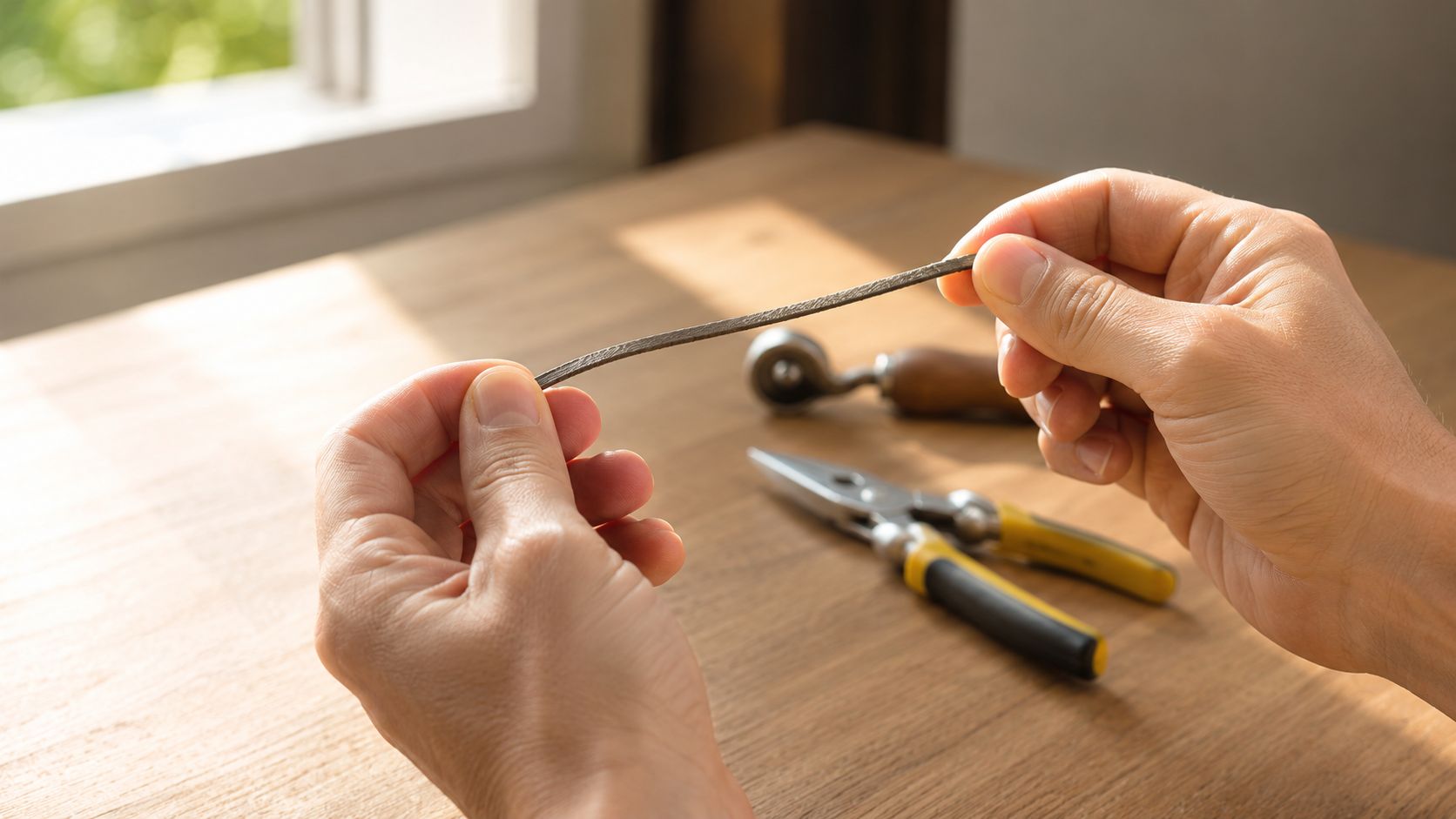
Sometimes, yes. Reuse makes sense when the spline still flexes, holds its shape, and seats firmly in the frame channel. If it has gone slick, flattened, brittle, or loose in the groove, it is not worth gambling on a new screen.
That trade-off matters because the failure usually shows up after the work is done. The mesh starts to ripple. A corner lifts. The spline backs out of the channel when the screen is under tension. Then the job has to be redone.
In Colorado Springs, that is why I do not judge old spline by appearance alone. I check how it compresses, how it rebounds, and how well the frame channel still holds it. That kind of assessment saves time, especially on older screens that have spent years on west- and south-facing windows.
Homeowners often start with a simple repair in mind and end up chasing fit problems, loose corners, or screens that never sit right again. Cultivate House Detailing handles those details correctly the first time, which is often the difference between a clean repair and another weekend spent redoing it.
What Is Screen Spline and Why It Matters
Screen spline is the flexible cord pressed into the frame groove to secure the screen mesh. It does more than hold the material in place. It sets the screen tension, helps keep the edges flat, and determines whether the finished panel sits cleanly or develops waves and loose corners.
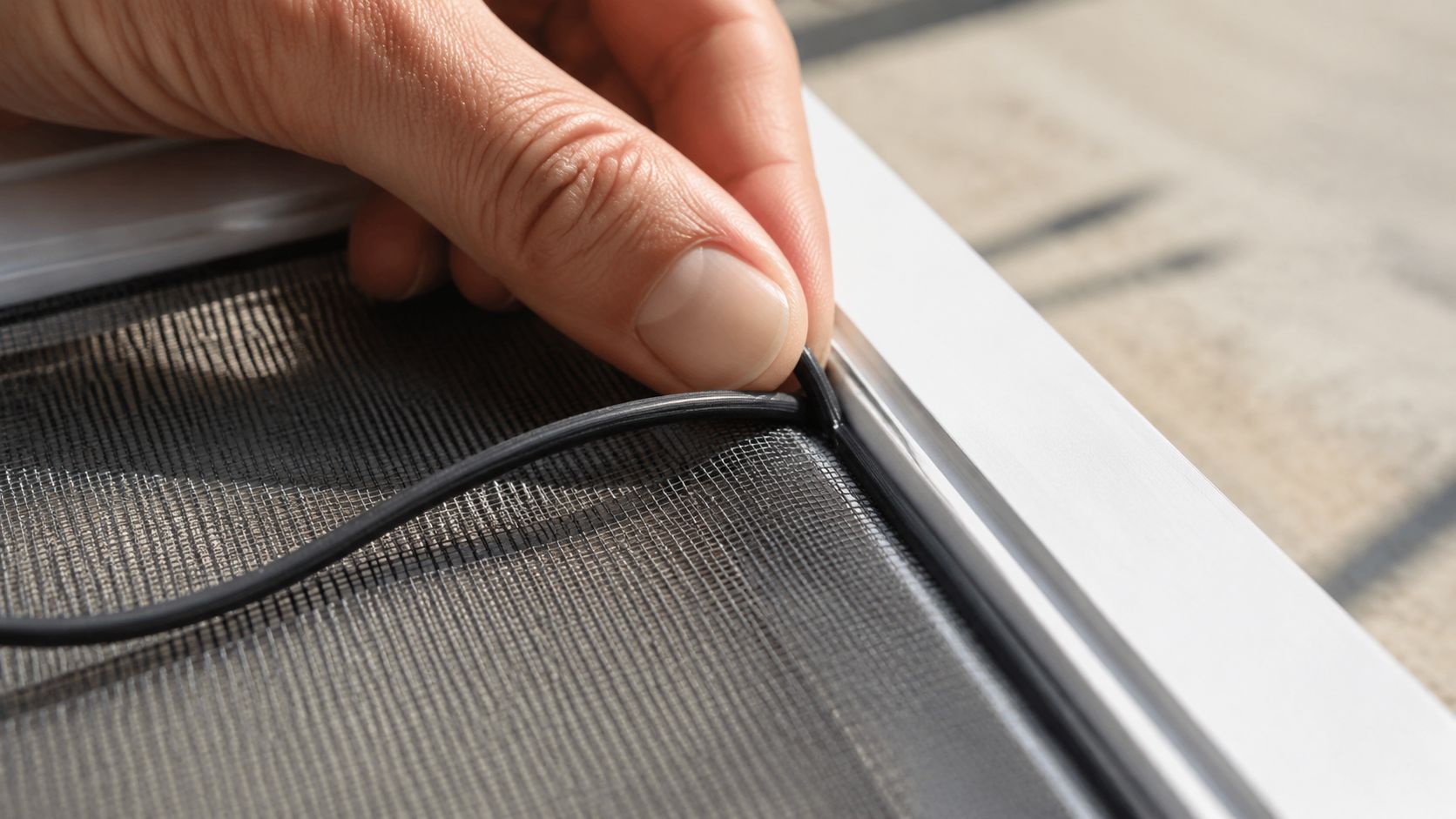
On a bench, spline looks simple.
In the field, it is one of the parts that causes the most trouble, especially in Colorado Springs. High UV exposure dries out rubber and vinyl over time, and sun rot often shows up as lost flexibility before it shows up as obvious cracking. That is why a screen can look acceptable at first glance and still fail once the mesh is rolled in and tension is applied.
What the spline actually does
Spline compresses into the channel and traps the mesh between the cord and the frame. For that to work, it needs the right diameter, the right material condition, and enough rebound to keep pressure on the mesh after installation.
That last part matters more than many homeowners expect. If the spline has hardened from years on a south- or west-facing window, it may no longer press outward with enough force to hold the mesh evenly. The result is a repair that looks fine for a day, then starts showing slack spots or lifted edges.
Why the little part decides the whole repair
Mesh gets the attention, but spline often determines whether the repair lasts.
A good fit does three jobs:
- Keeps mesh tension consistent so the screen stays flat instead of rippling
- Maintains grip in the channel so corners do not work loose
- Supports a clean finished look without puckers, bowing, or uneven edges
Old spline can still perform well, but only if the material still compresses and rebounds properly. In high-UV areas, that is where experience helps. A quick visual check does not tell you much about sun rot, frame wear, or whether the groove still matches the spline size that came out.
For a solid walkthrough on screen repair basics, Sparkle Tech professional screen advice is a useful reference. For homeowners who would rather skip the trial and error, Cultivate House Detailing handles those fit and material decisions correctly, which saves a lot of time and prevents having to redo the screen after a short run in the Colorado sun.
The Reuse or Replace Inspection Checklist
Before you roll old spline back into a frame, inspect it with your hands, not just your eyes. The fastest way to waste time on a screen repair is to install new mesh with bad spline and discover the problem at the very end.
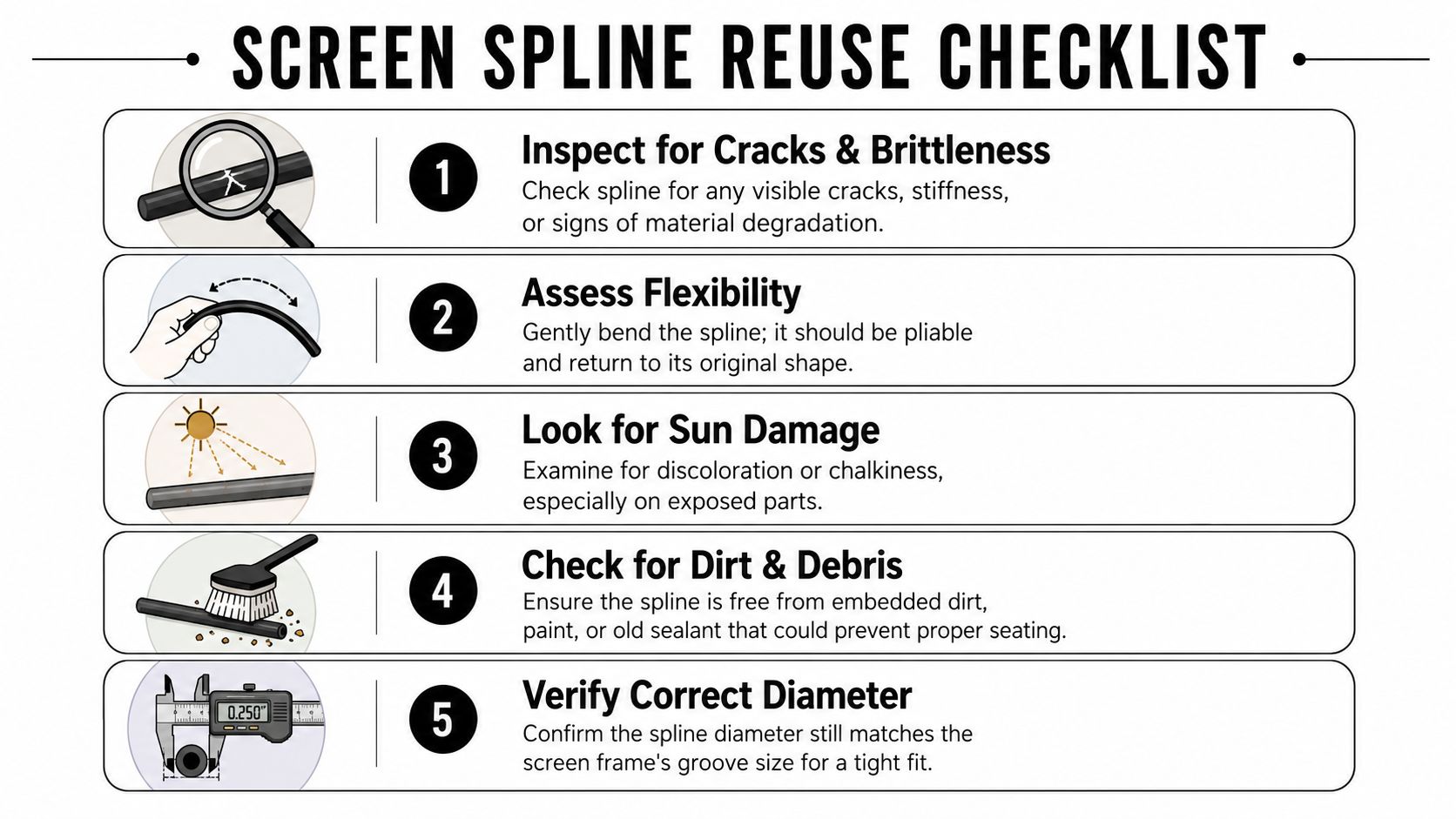
The five checks that matter
Start by lifting one end carefully
Technicians recommend gently pulling up an end and checking how the material behaves. If it resists cracking and regains its shape after manipulation, it's generally suitable for reuse. If you see fraying or permanent stretching, replace it (window screen inspection guidance).Bend it and feel for elasticity
Good spline still feels pliable. Bad spline feels dry, stiff, or oddly flat. If it bends and stays deformed, it has lost the spring you need for a secure fit.Check the exposed side for sun damage
The portion that sat nearest the exterior edge often tells the truth first. Fading, chalkiness, or a rough surface can point to deeper deterioration.
A spline can look usable from arm's length and still be too far gone once pressure goes on it.
Look for physical damage
Tears, nicks, flattened sections, and stretched corners are all red flags. Even one weak section can create a loose spot that spoils the full screen.Confirm the fit still makes sense
If you're changing mesh type, the old spline may no longer match the groove and material combination. Thicker screen can require different spline sizing.
A simple decision table
| Condition | Reuse or replace |
|---|---|
| Flexible, intact, returns to shape | Reuse is usually fine |
| Brittle, cracked, frayed, stretched | Replace it |
| Switching to thicker mesh | Check fit carefully, replacement may be needed |
| Dirty but still elastic | Clean and reassess |
If you want another practical walkthrough before starting, Sparkle Tech professional screen advice is a useful companion read because it shows the kind of handling mistakes that cause good materials to fail.
For homeowners focused on maintenance services, this inspection step is the difference between a quick fix and a repeat project next weekend.
Tips for Reusing Spline the Right Way
If the old spline passed inspection, the next part is technique. Good material can still produce a sloppy result if it's removed roughly or rolled back in with the wrong tool.
Handle removal gently
Lift one corner with a utility knife tip or small flat tool, then pull steadily. Don't yank it out fast. Stretching the old spline during removal can ruin a piece that was otherwise reusable.
Lay the new mesh flat over the frame before you start rolling. Keep it smooth, but don't pull it drum-tight at the beginning.
Use the right tool and angle
A proper spline roller matters. Screwdrivers and improvised tools tend to slip, cut mesh, or push unevenly into the groove.
For a tight, wrinkle-free finish, technicians often stretch rubber spline slightly before reinsertion. It also helps to roll at a 45-degree angle to the frame edge to avoid cutting the new screen mesh (video guidance on spline technique).
Field note: The roller should track the groove, not fight it. If you feel it wandering, stop and reset before the mesh gets sliced.
A deeper step-by-step walkthrough on rescreening a screen can help if you're comparing your setup, tools, and frame condition before you begin.
Keep tension even
The goal is a smooth screen, not a strained frame. Work progressively and keep the pull balanced from side to side. If one edge is overtightened early, the opposite side usually ends up wavy.
This short video gives a good visual reference for pacing and hand position during the process:
For homes scheduling screen cleaning, track cleaning, or seasonal window cleaning, this kind of repair quality matters because it keeps the whole window looking crisp after the glass is cleaned.
Why DIY Screen Repairs Fail in Colorado Springs
A homeowner swaps in new mesh on a sunny Saturday, presses the old spline back in, and the screen looks fine on the workbench. Two windy afternoons later, one corner starts to creep loose. That pattern is common in Colorado Springs.
High UV exposure is hard on spline, and sun rot does not always show up in a way that is easy to spot. Old rubber can still look usable, feel a little flexible, and then lose its grip as soon as the new screen is under tension. I see this most often on south-facing and west-facing windows, where the frame survives, the new mesh is fine, and the old spline is the part that gives out.
Why simple visual checks miss the issue
A quick glance catches cracks, flattening, and obvious brittleness. It does not tell you much about how well that spline will hold after it is rolled back into a dirty or weathered groove, then exposed to afternoon sun and gusty weather.
That is the trap.
DIY repairs often fail because the inspection stops at appearance. In Colorado Springs, a better test is to check for surface chalking, loss of rebound when pinched, hard spots along the length, and sections that have taken a set from years in the frame. If the spline comes out shiny in one area and dry in another, that inconsistency usually means uneven aging, which is a bad sign for reuse.
Colorado conditions punish small errors fast
Screen repair here is less forgiving than many general tutorials make it sound. Our climate tests the whole assembly right away:
- Strong sun dries out rubber and exposes weakened sections quickly.
- Wind finds loose corners and uneven tension fast.
- Dust and grime in the groove keep spline from seating fully.
- Heavier replacement mesh can ask more from old spline than it can still provide.
Those details are why a careful assessment matters more than a simple yes-or-no reuse decision. A professional can tell whether the problem is worn spline, the wrong diameter, a slightly bent frame, or a groove that needs to be cleaned before anything will hold properly. If you want that kind of evaluation without the trial and error, professional window screen repair in Colorado Springs saves a lot of rework.
For homeowners also considering solar control upgrades, The Tint Guy's guide to DIY tint is a useful reminder that window-related projects often fail for the same reason. Prep and material judgment usually decide the outcome more than the basic steps do.
If you are already planning window cleaning or exterior glass service, this is usually the point where it makes sense to let a crew handle the screens too, so the repair lasts and the finished window looks right.
The Professional Solution for Perfect Screens and Windows
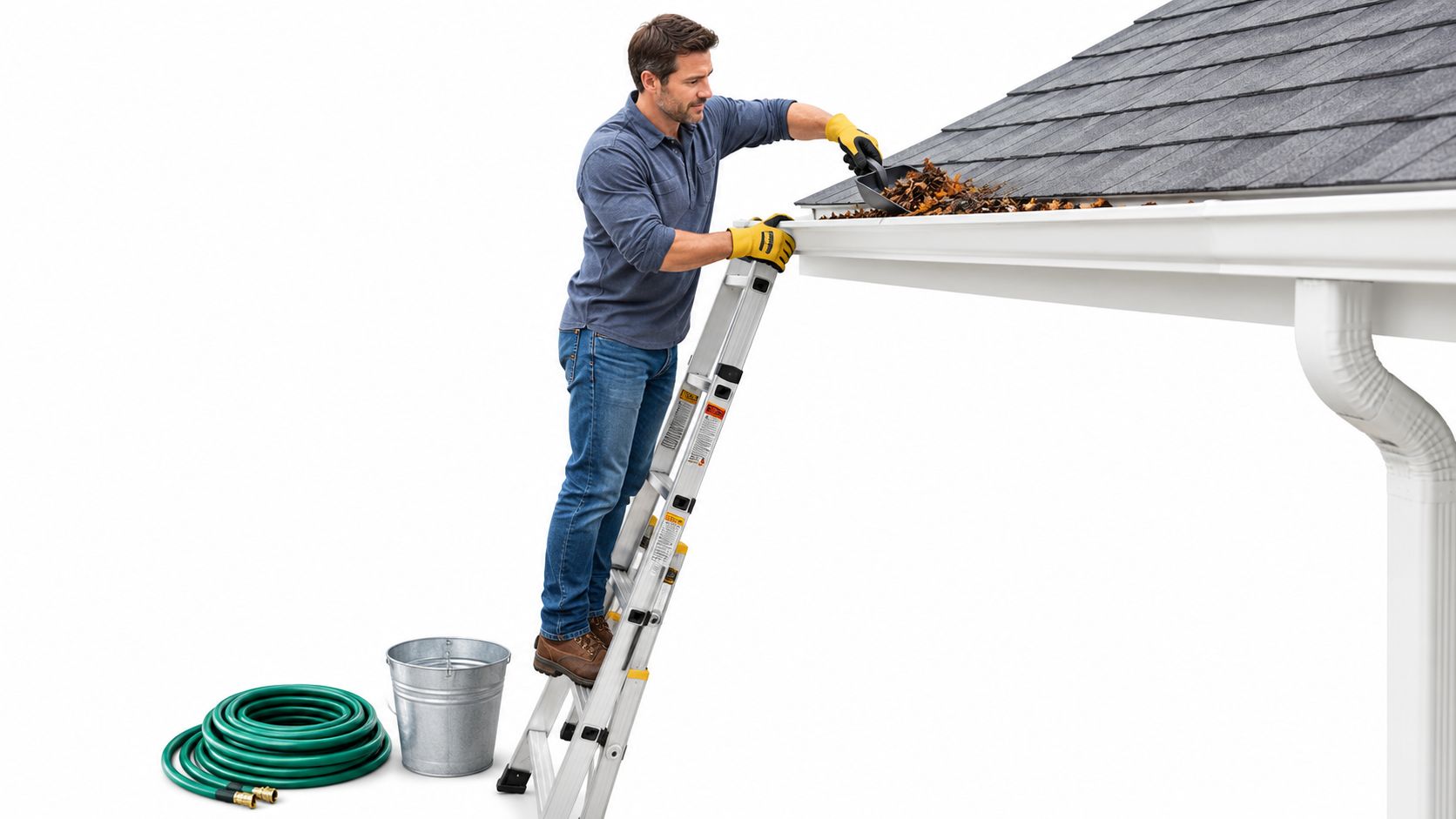
A good professional screen repair solves more than the torn mesh. It removes the guesswork about material condition, groove fit, mesh compatibility, and whether a second-story screen should be handled from a ladder at all.
For work performed at height, safety matters. According to the ANSI IWCA I 14.1-2001 Standard, window cleaning operations performed more than 48 inches (1200 mm) above grade require specific safety protocols, which is one reason trained crews approach upper-level windows differently from a casual weekend repair (ANSI window cleaning safety standard).
What a professional service changes
Instead of guessing whether old spline will hold, a technician can assess the frame, material, and exposure pattern together. That matters on homes where one side gets relentless afternoon sun and another side doesn't.
Professional service also tends to bundle the details homeowners notice most:
- Cleaner glass inside and out
- Better-looking screens
- Tracks cleared of debris
- A more finished exterior appearance
That's why screen repair often pairs naturally with interior window cleaning, exterior window washing, and hard-to-reach glass service.

When it makes sense to hand it off
If the screen is on an upper story, if the old spline is questionable, or if you want the windows, screens, and tracks handled in one visit, hiring it out is usually the cleaner option. A service page like this guide on how to restore your window screens reflects the same reality many homeowners run into. The repair itself is manageable. Getting a durable, polished result every time is the harder part.
For local homeowners and property managers comparing options, window screen repair in Colorado Springs is the kind of specialized service that saves time, avoids repeat failures, and leaves the whole window system looking right.
If your goal is clear views, secure screens, and less hassle, professional help usually costs less frustration than redoing a failed DIY repair after the next windy day.
If your screens are torn, loose, or just not sitting right anymore, Cultivate House Detailing can handle the repair and the glass at the same time. Whether you need window cleaning in Colorado Springs, CO, help with residential window cleaning, or a full refresh that includes screens, tracks, and streak-free windows, reach out for a quote and get it done once, the right way.
Want it handled by a local crew? Cultivate House Detailing offers window screen repair and replacement. Get a free quote.