New window screens typically cost $30 to $150 per screen, depending on material and size, and professional repair often costs less. For many homeowners in Colorado Springs, repair is the smarter first move before paying for full replacement.
A lot of people start looking this up after the same kind of day. You open the windows to enjoy the breeze, then notice a torn mesh, a bent frame, or a screen that no longer sits flush because of hail, wind, or years of strong Colorado sun. The good news is that damaged screens usually aren't complicated. The better news is that they often don't require a full window replacement at all.
If you've been wondering how much do new screens for windows cost, the answer depends on what you're replacing, what shape the frame is in, and whether you're buying materials yourself or hiring a pro to measure, build, and install the screen correctly. In Colorado Springs, those details matter more than most national guides admit. High-altitude UV exposure dries out mesh faster, spring wind can loosen corners, and hail can tweak frames that still look "close enough" until they won't slide back into place.
Functional screens do more than keep bugs out. They let you enjoy airflow, protect the comfort of the room, and help your windows work the way they're supposed to in our climate.
Your Guide to Window Screen Costs in Colorado Springs
A damaged screen feels minor until it starts affecting how you use the house. Maybe it's the kitchen window you like to crack open in the evening, or the bedroom screen that now has a tear large enough for bugs and cottonwood fluff to get through. Around Colorado Springs, I also see screens that look fine from the sidewalk but are bowed, sun-brittle, or loose at the spline when you get up close.
That matters because "new screen cost" isn't one single number. Some homeowners only need fresh mesh. Others need a full custom screen because the old frame is bent, the corners are loose, or the size is unusual.
What you're really paying for
When people ask about screen pricing, they're usually paying for a mix of these things:
- Mesh material: Standard fiberglass, aluminum, pet-resistant mesh, or solar screen material all behave differently.
- Frame condition: If the frame is still square, repair can make more sense than replacement.
- Window shape and size: Larger or non-standard openings usually require more labor and a custom fit.
- Installation quality: A screen that sags, wrinkles, or pops out wasn't cheaper if it has to be redone.
Practical rule: If the screen frame still fits the opening cleanly, start by asking whether it can be repaired.
That's the repair-first mindset many big-box guides miss. They tend to focus on buying something off the shelf, but in real homes, fit is everything. A screen that's even slightly off can rattle, bow, or leave gaps. In Colorado Springs homes with older windows, custom sizing often matters more than people expect.
Why local conditions change the answer
Colorado weather is hard on screens. Hail can bend aluminum frames. Dry sun at altitude can wear down mesh and corner tension. Pollen, dust, and debris also build up in screens and tracks, which makes windows feel rougher to operate and can hide damage until it gets worse.
For that reason, the most cost-effective path is usually simple:
- Check whether the frame is still usable.
- Decide whether standard mesh is enough or if a specialty screen makes more sense.
- Get a measured quote instead of guessing from shelf pricing.
That approach saves money more often than replacing everything automatically.
Average Window Screen Costs A Local Breakdown
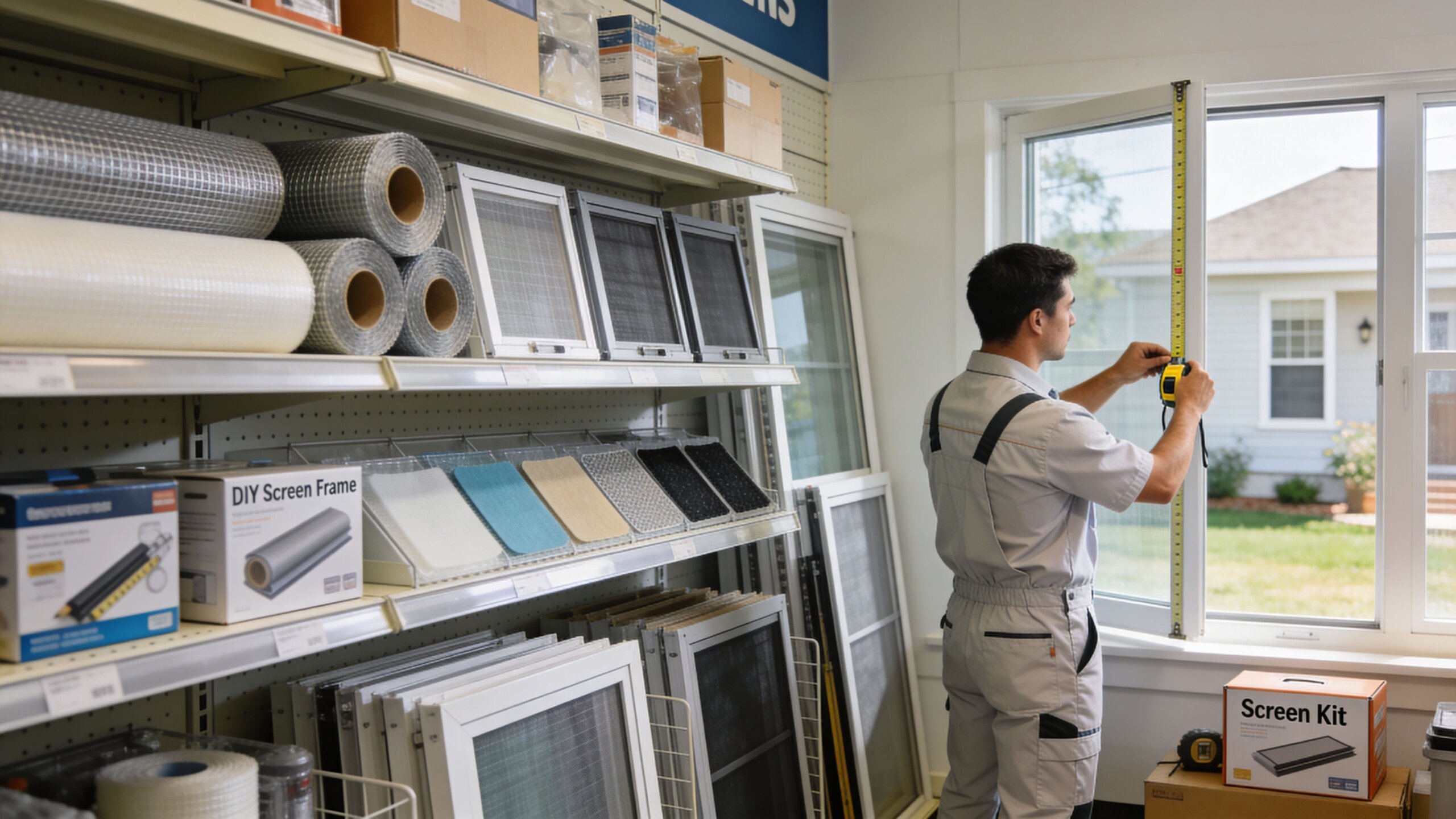
A Colorado Springs homeowner might call expecting all new screens, then save money once we inspect the frames and find that several only need new mesh. That is why screen pricing makes more sense when you split it into re-screening an existing frame versus building a new custom screen.
For budgeting, DIY screen materials often run about $20 to $100 per screen, while professionally measured and custom-built screens usually fall around $50 to $200 each depending on size, frame condition, and material choice. In day-to-day service work, the lower end usually applies when the existing frame can be reused. The higher end shows up with larger openings, damaged frames, or upgraded mesh.
DIY cost versus professional cost
Here is the practical difference.
| Option | Typical Cost Range | What You're Paying For | Best Fit |
|---|---|---|---|
| DIY screen materials | $20 to $100 per screen | Mesh, spline, and basic replacement materials | Homeowners with usable frames and accurate measuring skills |
| Professional custom screen | $50 to $200 per screen | Measuring, custom fitting, materials, and installation | Homes with bent frames, non-standard sizes, or owners who want a consistent fit |
That gap matters because "new screens" can mean two very different jobs. One homeowner is replacing torn mesh in a square frame. Another needs a full rebuild after hail bent the frame or years of high-altitude sun made the corners loose and brittle.
For homeowners comparing materials before they decide, this guide to replacement screening material options helps explain what changes cost and what improves performance.
What those prices usually mean on real homes
On a straightforward job, a standard window with a reusable frame is usually the most affordable path. A technician removes the old spline and mesh, checks the frame for twist, installs fresh material, and fits it back into the opening. That is often the smarter first step than throwing out the whole screen.
Costs rise when the screen has to be built from scratch or matched to an older window that does not fit modern stock sizes. In Colorado Springs, I also see pricing move up after hailstorms because impact damage does not always tear the mesh cleanly. Sometimes it slightly bends the frame, and that small bend is enough to make the screen sit loose or pop out.
A short video like this helps show why fit and technique matter once you move beyond a simple kit install:
Why averages only get you part of the answer
Average price ranges are useful, but they do not tell you whether repair or replacement is the better value on your house.
A screen can be cheap on paper and still cost more if it fits poorly, wrinkles, or has to be redone.
That is especially true when several front-facing windows need to match. Different mesh colors, different weave patterns, or one frame that sits proud of the others can stand out fast. If the home gets strong afternoon sun, some owners also ask about solar screens for windows, which can change both the look and the final quote.
For many local homes, the most cost-effective answer is simple. Repair the screens that still have solid frames. Replace only the ones that are bent, loose at the corners, or no longer fit the opening correctly. That repair-first approach is usually where homeowners get the best value, and it is how Cultivate House Detailing approaches screen service.
Key Factors That Influence Window Screen Prices
Two screens can look almost identical from the yard and still price out differently once they are on the workbench. In Colorado Springs, the final number usually comes down to mesh type, how well the existing frame has held up, and whether the screen is a standard size or a custom fit.
Material choice affects cost, lifespan, and how the screen performs
Fiberglass is the usual starting point because it is affordable, easy to see through, and a good match for many everyday windows. Aluminum costs more, but some homeowners prefer the firmer feel. Pet-resistant mesh is thicker and holds up better where dogs or cats keep hitting the same lower panels. Solar mesh is the upgrade people ask about most on west-facing windows and rooms that heat up in the afternoon.
In sunny Colorado, solar screens often run $75 to $250 each. According to ENERGY STAR, they can reduce solar heat gain by up to 60%. If you want a plain-English overview of how solar screens for windows work in real homes, that guide is a useful reference.
| Material | Average Cost (Per Screen) | Durability | Best For |
|---|---|---|---|
| Fiberglass | Lower-cost option | Good for routine use | Standard home windows |
| Aluminum | Mid-range option | More rigid feel | Homes where toughness matters |
| Pet-resistant mesh | Higher-cost option | Better against scratching | Homes with dogs or cats |
| Solar screen | $75 to $250 each | Built for sun control | West-facing and high-sun windows |
The cheapest mesh is not always the cheapest fix over time. A basic rescreen on a shaded side of the house can make perfect sense. A south or west exposure that gets hammered by high-altitude UV may wear out faster if the material is too light for the conditions.
Frame condition often decides whether the quote stays low
Homeowners usually focus on the mesh. In practice, the frame can change the price just as fast.
If the frame is square, the corners are tight, and the screen still fits the opening correctly, repair is usually straightforward. If hail has nicked the frame, one corner is pulling apart, or the screen has a slight bow from years of heat and handling, labor goes up and replacement starts to make more sense. That is one reason a repair-first inspection matters. It separates a simple rescreen from a screen that will keep popping loose no matter what mesh you install.
For homeowners comparing replacement screening material options, the smart move is to match the mesh to the actual problem, not just buy the toughest product on the shelf.
Size, shape, and age of the home change the job
Standard rectangular screens are the fastest and least expensive to build. Oversized windows, very tall openings, narrow side windows, and specialty shapes usually cost more because they take more material and more fitting time.
Older Colorado Springs homes add another wrinkle. Two windows that look the same may be off by just enough to rule out a stock replacement. That is where big-box pricing guides fall short. They usually assume standard sizing and skip over the time it takes to measure, test fit, and correct small frame issues on site.
A good screen quote should account for local wear patterns too. Hail damage, sun exposure, and repeat stress on the same windows all show up differently here than they do in milder climates. That is why Cultivate House Detailing starts with repairable frames first and recommends full replacement only where it saves trouble and money.
Repair or Replace Your Window Screens A Smart Decision Guide
A common Colorado Springs call goes like this. The mesh is torn after a windstorm or a pet pushed through it, and the homeowner assumes the whole screen needs to be replaced. In many cases, it does not. If the frame still fits well and holds its shape, repairing the screen is usually the lower-cost fix and the better first step.
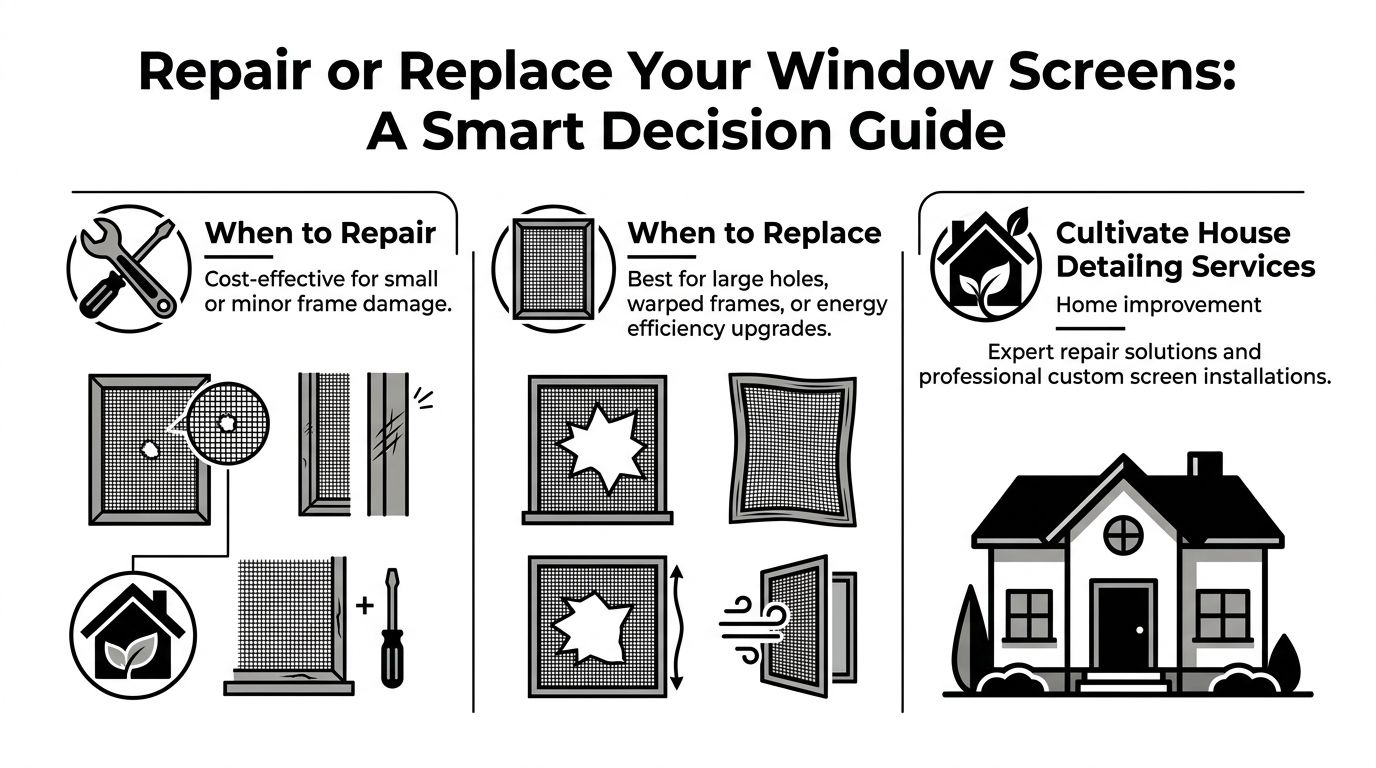
That matters more here than many national guides suggest. Colorado Springs screens take a beating from hail, dry air, and strong sun at altitude. Sometimes the mesh fails long before the frame does. In that situation, a professional repair often costs far less than replacing the entire screen and still cleans up the look of the window.
When repair usually makes sense
Repair is usually the smart call when the screen still seats properly and the problem is limited to wear parts.
- Torn or punctured mesh: The screen fabric is damaged, but the frame is still square.
- Loose spline: The mesh is pulling out, but the groove and frame are still usable.
- A single problem screen: One window was damaged, while the others are still in good shape.
- UV-worn mesh with a solid frame: The material has gotten brittle from sun exposure, but the frame is worth keeping.
Homeowners who want to compare the effort, tools, and risk before deciding can review this guide to do it yourself screens.
When replacement is the better choice
Replacement makes more sense when the frame has lost its shape or no longer fits the opening correctly. Hail can bend frames just enough to create a poor fit. High-traffic windows also get twisted from repeated removal and reinstallation.
Watch for broken corners, bowed rails, screens that pop out, or frames that rock in the track. Those problems usually do not improve with fresh mesh alone. Replacing the full screen avoids paying for labor on a frame that will keep causing trouble.
A grouped replacement can also be the better choice if several front-facing screens are faded, patched, or mismatched and you want the house to look consistent again.
A simple way to decide
Use this quick filter before you spend money:
- Test the fit. If the frame sits tight and even, repair stays on the table.
- Check the frame corners. Loose or cracked corners usually push the job toward replacement.
- Examine the root cause. Pet damage, hail impact, and UV brittleness do not leave the same kind of failure.
- Price the problem, not just the part. A cheap rescreen on a bad frame often turns into doing the job twice.
That is the reason a repair-first inspection helps. Cultivate House Detailing handles window screen repair in Colorado Springs with that mindset, saving replacement for screens that are past a practical fix.
Sample Quotes for Common Colorado Springs Homes
Real quotes depend on exact measurements and materials, but a few local-style examples make the ranges easier to picture.
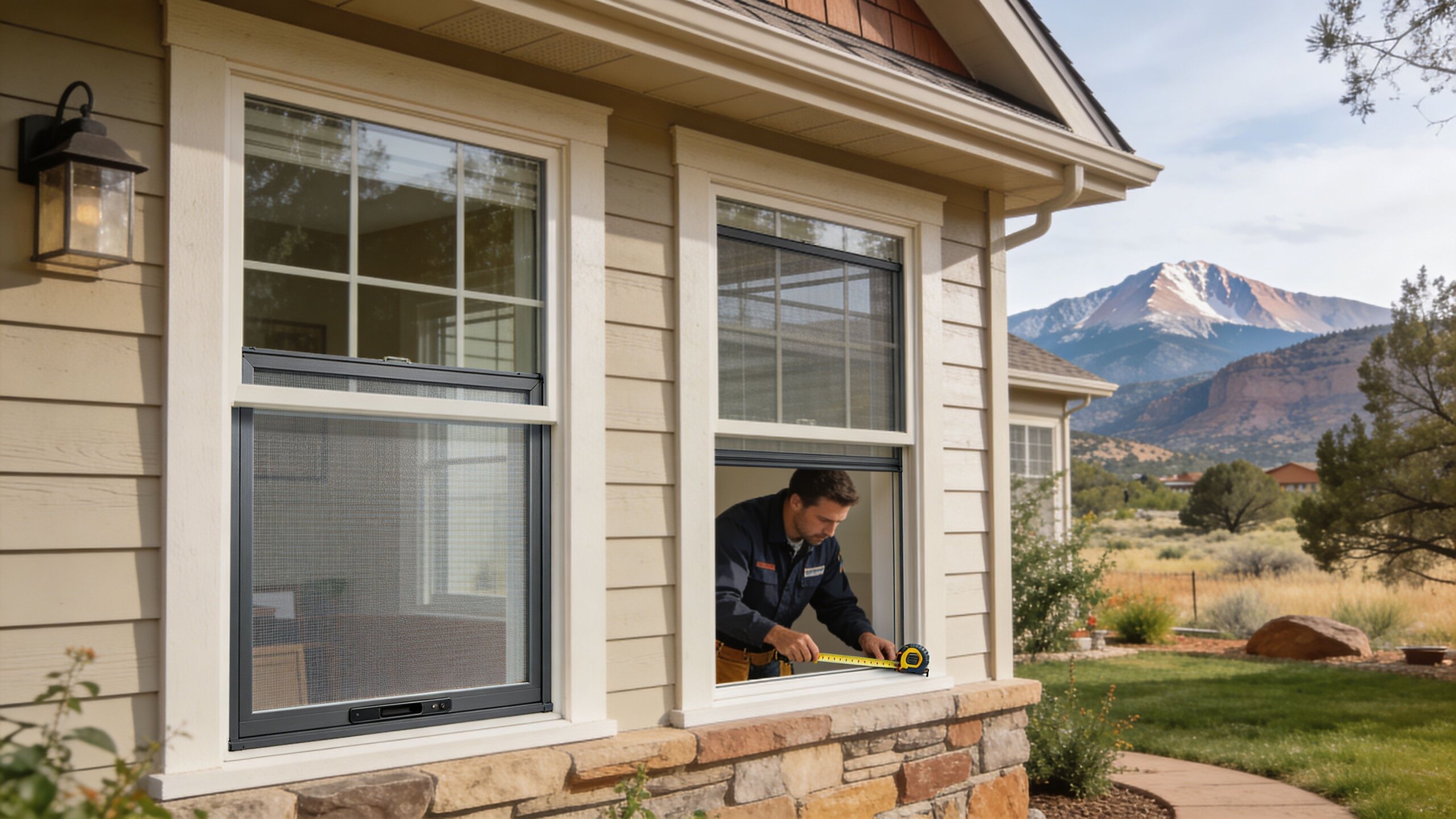
A Briargate home with several worn standard screens
A homeowner in a newer neighborhood often has a run of similarly sized windows with aging mesh but usable frames. In that situation, the project usually leans toward re-screening rather than building all-new units.
The cost lands closer to the lower end of the typical range when the frames are reusable and the openings are standard. The biggest pricing question becomes whether the owner wants basic mesh or a tougher upgrade in the highest-use rooms.
A Black Forest home with hail-bent frames
National screen advice usually falls short. After a storm, the mesh may not be the main issue. A few frames can be subtly bent, which means they no longer sit square even if the damage isn't obvious from the ground.
Those jobs often move toward custom replacement rather than a simple re-screen. The quote climbs because the work involves measuring and fitting rather than just swapping mesh into an old frame.
If a frame rocks in the opening or won't seat evenly, new mesh alone usually won't solve the problem.
A townhome with pet-damaged lower screens
This is one of the most common situations. The upper windows are fine, but the patio-adjacent or lower-level screens have repeated claw damage. In that case, homeowners often replace only the affected screens and upgrade the material where the pet reaches it.
That keeps the project focused. It also avoids overpaying for a whole-house change when the damage is limited to a few predictable locations.
A west-facing room that gets hammered by sun
For homes with intense afternoon exposure, some owners decide replacement is the right moment to move into a specialty product rather than another standard screen. The quote is higher than a basic mesh repair, but the value comes from solving a more specific comfort problem instead of repeating the same failure pattern.
The practical takeaway is simple. Screen quotes vary because homes vary. A measured estimate is what tells you whether you're looking at a light repair, a custom rebuild, or a material upgrade.
Why Professional Screen Service Is Worth It
DIY screen work looks easy until the screen goes back into the window. That's where a lot of homeowners discover the frame isn't square, the mesh wasn't tensioned evenly, or the spline didn't seat firmly enough to hold through wind and use.
What goes wrong with DIY most often
The first issue is measurement. A screen can be off by a small amount and still be unusable. The second issue is tension. Too loose and it sags. Too tight and the frame can bow. The third issue is tool control, especially when rolling spline around corners without twisting the mesh.
Common mistakes include:
- Wrong dimensions: The screen looks close, but leaves gaps or won't sit fully in place.
- Uneven tension: The mesh ripples or pulls the frame out of square.
- Bad material match: Basic mesh gets used where pet-resistant or solar mesh would've made more sense.
- Upper-story risk: Second- or third-story work adds safety issues quickly.
What you're paying a pro to handle
Professional installation exists for a reason. As noted earlier, labor for a custom screen installation can range from $50 to $150 per screen, and that cost reflects the measuring, fitting, and specialized tools needed to get a durable result. That's less about "someone putting in a screen" and more about avoiding a screen that has to be redone.
A good install should give you:
| Benefit | Why it matters |
|---|---|
| Accurate measuring | Prevents loose fit, rattling, and gaps |
| Proper tensioning | Keeps mesh flat without distorting the frame |
| Material guidance | Matches the screen to sun, pets, and wear |
| Safer service | Reduces ladder use and upper-story risk for homeowners |
The hidden value of bundling maintenance
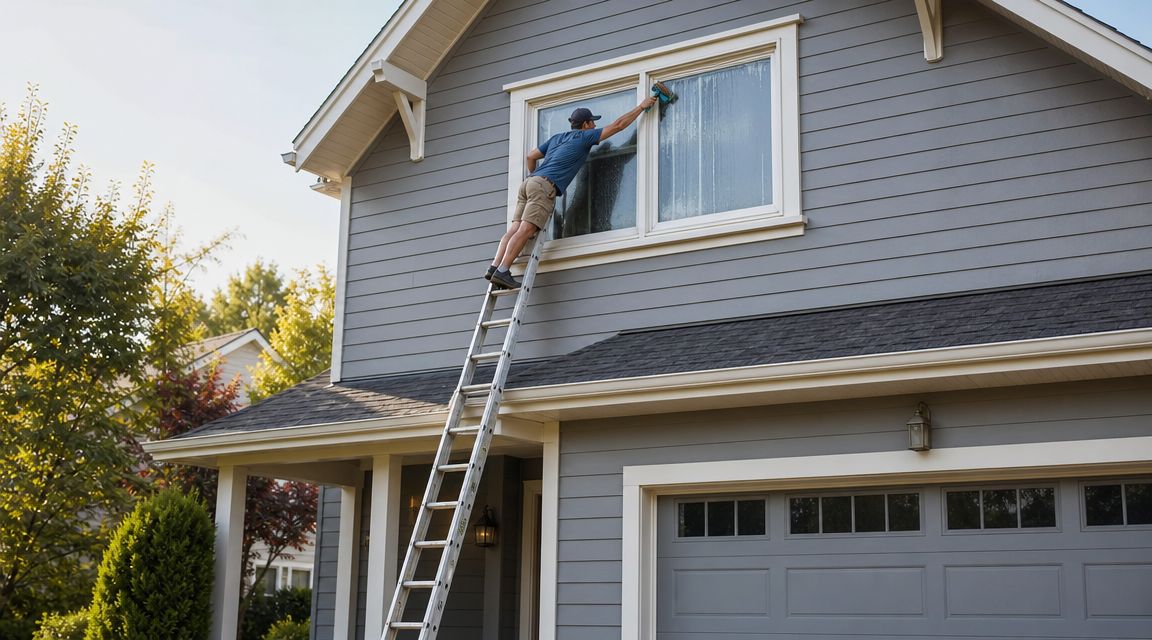
Screen work also makes a good time to address the rest of the window system. Dirty tracks, dusty screens, and spotted glass tend to show up together. If a crew is already handling screen repair or replacement, it's often efficient to combine that visit with professional window cleaning, screen cleaning, and track cleaning so the whole window functions and looks better at once.
A new screen on dirty glass improves function. A new screen with cleaned glass and tracks improves the whole window.
That's especially relevant for homeowners searching for window cleaning near me, window cleaning in Colorado Springs, CO, or residential window cleaning after a season of pollen, dust, and hard-water buildup. The screen may have started the project, but the finished result is usually better when the full window gets attention.
Get Your Free Screen Repair Quote Today
If you're trying to budget for screens, the smartest move is to stop guessing from shelf prices and start with the condition of the frame. Some homes need simple re-screening. Others need custom replacement. In Colorado Springs, hail, strong sun, and everyday wear make that distinction important.
A measured quote gives you a real answer based on fit, material, and whether repair can save you money first. That's the practical way to handle window screens, and it's usually the most cost-effective one too.
If your screens are torn, loose, bent, or just overdue for attention, contact your local Colorado Springs window service provider for a no-obligation quote and ask about pairing screen work with interior window cleaning, exterior window cleaning, or full window washing while the job is being handled.
Frequently Asked Questions About Window Screens
How long do window screens typically last in the Colorado sun
It depends on the material, the direction the window faces, and how exposed the house is to wind and UV. In Colorado Springs, west- and south-facing windows usually show wear sooner than shaded openings. The first signs are often fading, brittleness, or corners that start to loosen.
Can you clean window screens without removing them
You can do a light surface cleaning in place, but it won't always remove packed dust or debris well. For a more complete result, removing the screen is usually better because it allows proper access to both the mesh and the frame. It also gives you a chance to check for tears, loose spline, and bent corners that are easy to miss when the screen stays installed.
Does a new screen improve my home's energy efficiency
A standard replacement screen mainly restores function, airflow, and appearance. Specialty solar screens can also help control heat on sunny windows, which is why some homeowners choose them when replacing worn screens on exposed sides of the house. The right upgrade depends on the room, the sun exposure, and whether comfort is part of the goal.
Do you provide screen repair services for commercial properties in Colorado Springs
Commercial properties often need screen work too, especially in offices, storefronts, and multi-unit buildings where appearance and function both matter. The right approach depends on the window type, access, and whether the priority is repair, matching existing screens, or handling screen work alongside commercial window cleaning.
Is it better to replace every screen at once
Not always. If only a few are damaged and the rest still match and function well, selective repair or replacement can be the better value. Whole-home replacement makes more sense when the screens are widely worn, sun-damaged, or inconsistent enough that one new screen will make the others look tired by comparison.
Are custom screens worth it for older homes
Often, yes. Older homes frequently have slight size differences from window to window, even when they look similar. A custom-fitted screen is more likely to sit correctly, stay secure, and avoid the frustration that comes with trying to force an off-the-shelf option into an opening it wasn't built for.
If you're in Colorado Springs or a nearby community and need honest guidance on screen repair, replacement, or pairing screen work with streak-free window cleaning, contact Cultivate House Detailing for a free quote.
Need it done properly the first time? Cultivate House Detailing offers window screen repair and replacement. Get a free quote.
Serving Black Forest and the surrounding Colorado Springs area — see our window cleaning services in Black Forest.