The Impact of Bird Droppings and Debris on Solar Panels
Solar panels are designed to capture sunlight efficiently, but their performance depends heavily on having clean, unobstructed surfaces. Even a thin layer of dust or a small obstruction can limit how much sunlight reaches the cells, reducing the amount of energy your system can produce.
Natural elements like bird droppings, leaves, and airborne debris are often underestimated, yet they can have a noticeable impact over time. These materials don’t just sit on the surface—they can create concentrated shading, trap heat, and even leave behind residue that becomes harder to remove if ignored.
That’s why regular maintenance is essential for long-term performance. Keeping your solar panels clean helps ensure consistent energy output, prevents avoidable damage, and protects the overall efficiency of your system. A simple, proactive approach can make a significant difference in how well your investment performs over the years.
The Silent Energy Thief on Your Roof
Blocking the Sun’s Vital Rays
Even a thin layer of debris acts like a shaded blanket across a solar array, physically blocking sunlight from reaching the active solar cells. Dust, pollen, and loose dirt scatter incoming light before it can penetrate the protective glass. This creates an artificial barrier that severely limits the amount of solar radiation absorbed by the system.
The Gradual Drop in Power Production
Accumulating dirt slowly drains system efficiency, dropping daily energy production by up to 25 percent over just a few months. Because this decline happens gradually, it is easy to miss the subtle changes in a monitoring app until the loss becomes severe. Consistent buildup essentially chokes the panels, preventing them from operating anywhere near their maximum rated capacity.
The Financial Hit to Your Electric Bill
Dirty panels directly impact your wallet by forcing you to pull more expensive electricity from the local utility grid. When the solar system underperforms, the home still demands the same amount of power, meaning reliance shifts back to the traditional energy provider. Neglecting basic panel maintenance throws away the financial savings that made solar energy appealing in the first place.
The Destructive Power of Bird Droppings
High Acidity Eating the Glass Coating
The highly acidic nature of bird droppings slowly eats away at the delicate anti-reflective coating on solar glass. This specialized coating is designed to maximize light absorption, but caustic materials break down its chemical structure very quickly. Once this protective layer is compromised, the panel loses its ability to capture sunlight efficiently, resulting in a permanent reduction in power output.
Stubborn, Baked-On Stains
The intense summer sun bakes bird droppings directly into the panel surface, making them nearly impossible to remove with standard washing. As the moisture evaporates from the droppings, the remaining material hardens like cement against the hot glass. This creates a dense, opaque obstruction that completely blocks light from reaching the specific cells underneath it.
Attracting More Pests to Your Roof
Leaving bird droppings on the panels actively signals to other birds that the roof is a safe place to roost and build nests. Pigeons and smaller birds often seek shelter under the warm solar array, leading to a massive increase in waste buildup. Ignoring this problem early on usually results in a severe pest infestation that requires costly professional removal.
Leaves, Dust, and Everyday Environmental Debris
Heavy Autumn Leaves Trapping Moisture
Wet, decaying leaves easily stick to the panels, trapping harmful moisture against the delicate aluminum frames and weather seals. As the organic matter breaks down, it creates a damp environment that encourages the growth of moss and mildew around the edges. This constant moisture exposure can eventually degrade the watertight seals, allowing water to seep into the internal electrical components.
Spring Pollen Creating a Sticky Film
Thick yellow pollen settles over the roof in the spring, creating a sticky base layer that easily traps passing dust and dirt. This fine yellow powder is naturally adhesive, clinging stubbornly to the glass even on windy days. As more airborne particles stick to the pollen, the panels quickly develop a thick, cloudy glaze that drastically reduces energy absorption.
Urban Dust and Exhaust Smog
Living near busy roads or construction zones coats a solar array in a fine, oily layer of smog that drastically reduces light absorption. Vehicle exhaust contains greasy particulates that smear across the glass, creating a resilient film that repels basic water rinsing. This industrial grime is particularly difficult to clean and requires specialized techniques to completely lift away from the delicate solar surface.
Understanding the Danger of Solar Hot Spots
What Exactly is a Hot Spot?
A single, localized shadow on a panel forces the surrounding cells to work harder and generate intense, localized heat. Solar cells are wired together in a series, so when one cell is shaded by debris, it stops producing power and starts resisting the current from adjacent cells. This electrical resistance converts energy into extreme heat, creating a specific hot spot on the surface of the glass.
How Bird Droppings Cause Cell Overheating
A concentrated patch of bird mess is the number one cause of dangerous hot spots that permanently burn out internal wiring. Because the dropping creates a tiny, completely opaque shadow, the cell directly underneath it faces massive electrical resistance. The temperature in this small area can spike to dangerous levels, literally scorching the internal materials and melting the protective backsheet.
Long-Term Irreversible Damage
Ignoring hot spots eventually leads to dead solar cells, forcing property owners to replace the entire expensive panel much earlier than expected. Once the internal wiring burns out, that specific section of the panel will never produce electricity again, permanently lowering the overall output of the entire array. Routine cleaning is the only guaranteed way to prevent this costly, irreversible thermal damage from occurring.
Why You Cannot Rely on Rainwater
The Myth of Self-Cleaning Glass
Relying on a light rainstorm actually leaves behind a muddy residue instead of washing solar panels perfectly clean. While solar panels have a smooth surface, they are rarely pitched at a steep enough angle for water to simply rinse away heavy debris. Rainwater lacks the mechanical scrubbing power needed to break down sticky pollen, baked-on bird droppings, or greasy smog.
Rain Turning Dust into Thick Mud
Raindrops mix with the loose dirt already sitting on the panels, drying into a thick, cloudy film that blocks out the sun. A quick summer shower merely redistributes the grime across the glass, pooling dirt at the bottom edge of the aluminum frame. When the sun comes back out and dries the moisture, it leaves behind a caked-on layer of mud that significantly hinders performance.
Hard Water Spots from Light Drizzles
Natural rain can carry atmospheric dust and minerals, leaving behind hard water spots that bake into the glass when the sun returns. These mineral deposits create a hazy, textured surface that scatters incoming sunlight instead of allowing it to pass through to the cells. Over time, repeated cycles of light rain and intense sun will permanently etch these water spots into the anti-reflective coating.
The Expensive Risks of Cleaning Panels Yourself
Dangerous Ladder Falls and Roof Slips
The severe physical risks of balancing on a sloped roof with a bucket of soapy water make DIY cleaning incredibly dangerous. Roofs are inherently hazardous, and adding water to smooth shingles or tiles creates a slick surface that easily leads to catastrophic falls. Climbing up and down a ladder while carrying heavy cleaning equipment is simply not worth the risk of a serious personal injury.
Using the Wrong Soap and Sponges
Standard household glass cleaners and abrasive scrubbers will permanently scratch the panels and strip away their protective layers. Chemicals found in everyday dish soap can leave a sticky film that attracts even more dirt, while harsh brushes cause micro-scratches that ruin the glass’s optical clarity.
Accidentally Voiding Your Warranty
Solar manufacturers will instantly deny warranty claims if they find damage caused by improper, DIY cleaning methods. Most warranties include strict maintenance guidelines that require specific cleaning techniques and purified water to keep the coverage active. Making a simple mistake with a pressure washer or harsh chemical cleaner will instantly void this valuable protection, leaving the homeowner responsible for all replacement costs.
How Cultivate House Detailing Restores Your Power
Unmatched Professional Expertise
Professionals clearly understand how to clean solar glass like nobody else, spending countless hours perfecting the specialized washing process to get streak-free, highly efficient results. A trained technician knows exactly how to navigate a roof safely while applying the correct pressure and techniques to delicate solar arrays.
Using Purified Water for Perfect Clarity
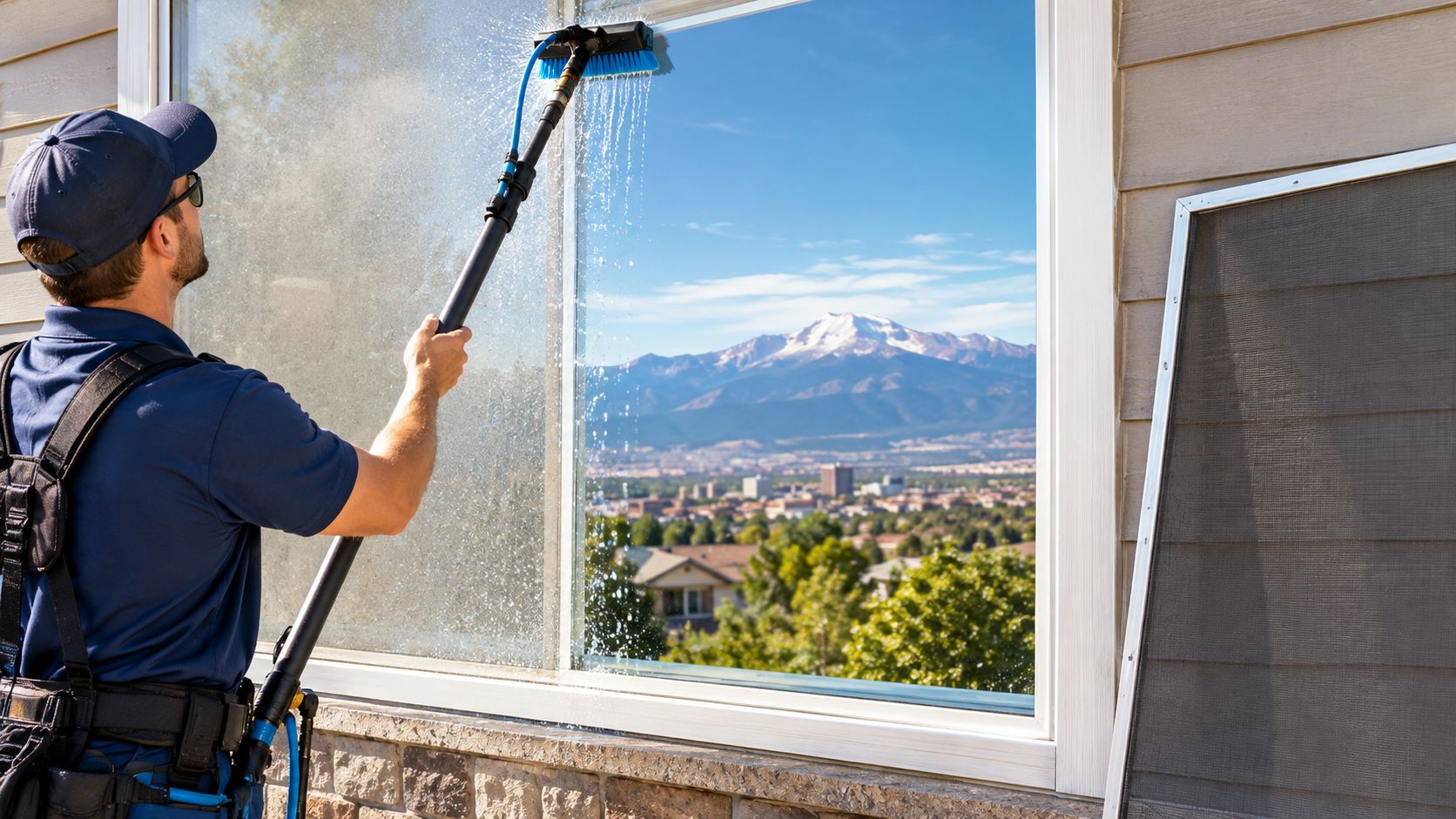
The Cultivate House Detailing team uses advanced water-fed poles and purified water to melt away tough bird droppings without ever scratching delicate panels. By filtering all harsh minerals out of the water, the system leaves absolutely no hard water spots or residue behind after drying. This pure water acts as a natural magnet for dirt, lifting away stubborn grime and restoring the glass to its maximum light-absorbing capacity.
Getting Your Personalized Free Quote
Cultivate House Detailing is thrilled to give a personalized quote for cleaning solar panels, pressure washing the home, or cleaning out the gutters. Expert technicians are standing by to provide a detailed assessment and outline exactly how professional maintenance will boost those daily energy numbers. Click to get a free quote, and let’s schedule a time to make the entire home shine!
Protect Your Solar Investment Today
A quick recap is in order: removing bird droppings and debris prevents corrosive damage, stops hot spots, and keeps the system running at peak performance. Consistently clearing away dust, leaves, and acidic waste ensures the delicate glass coating remains intact and highly conductive. Proper maintenance removes the obstructions that steal solar power, allowing the array to capture every possible ounce of sunlight.
Investing in professional solar cleaning quickly pays for itself by dramatically boosting daily energy production and lowering monthly utility bills. Instead of risking a dangerous roof climb or accidental damage with abrasive sponges, hiring an expert guarantees a safe, thorough, and warranty-compliant result. Routine professional care significantly extends the lifespan of the panels, maximizing the overall return on the initial solar investment.
At Cultivate House Detailing, the goal is to help homeowners enjoy their property again. Sip a morning coffee with a view of Pikes Peak through a spotless window, knowing the solar panels are perfectly maintained and generating maximum power. Reach out today to secure a free quote and discover the true potential of a beautifully clean home!
Rather not do it yourself? Cultivate House Detailing offers solar panel cleaning in Colorado Springs. Get a free quote.