You're looking at your south-facing windows and seeing hard-water spots, while red dust has settled into the stucco after a windy Colorado Springs afternoon. The driveway looks gray, the screens hold pollen, and the siding seems to need more than a garden-hose rinse. That's a familiar situation for homeowners across Colorado Springs, Fountain, Briargate, Black Forest, Monument, Manitou Springs, and Woodland Park.
The best house exterior cleaner isn't necessarily the strongest chemical, the highest-pressure machine, or the lowest bid. It's the crew that matches the method to your siding, glass, gutters, landscaping, and access conditions. For residential and commercial properties, that usually means combining professional window cleaning, controlled house washing, surface-appropriate pressure washing, and careful maintenance rather than blasting every surface the same way.
Why the Best House Exterior Cleaner Depends on Your Home
A stucco ranch in Fountain and a vinyl-sided two-story in Briargate may both need exterior cleaning, but they shouldn't receive the same treatment. Stucco, EIFS, painted wood, aluminum, vinyl, fiber cement, brick, and shingles all respond differently to pressure, water, and cleaning chemistry.
Colorado Springs adds its own complications. Strong sun can dry cleaning solutions quickly, low humidity concentrates dust, spring cottonwood fluff collects around screens and gutters, summer storms deposit grime, and winter freeze-thaw cycles test every seam and exposed edge. A method that works well on a concrete walkway can damage siding or force water behind a window trim line.
The local demand for exterior maintenance is substantial. The U.S. pressure washing services industry has been estimated at about $1.2 billion in 2026, while broader pressure washer equipment reports place that market around $3.19 billion in 2025 and project approximately $4.03 billion by 2030, at a 4.8% CAGR, according to IBISWorld's pressure washing services overview. Those figures point to a mature service category, but they don't tell you which method belongs on your home.
Match the method to the surface
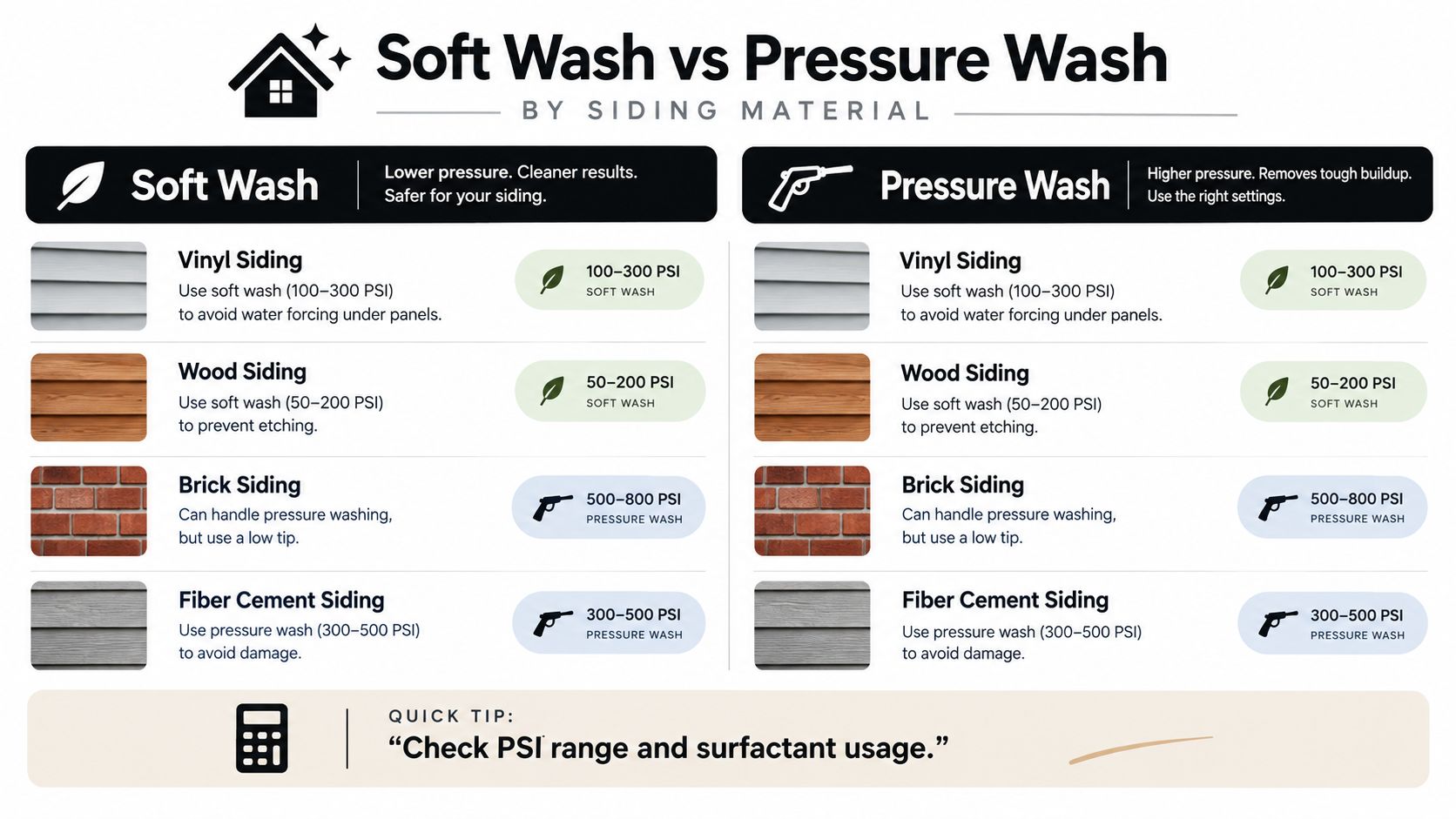
A stucco or EIFS exterior near the foothills usually calls for low-pressure chemical cleaning with enough dwell time to loosen organic buildup. A vinyl-sided home can often handle careful washing with a broad fan pattern, while aluminum siding needs special caution because it can dent. Older wood siding needs an even lighter touch, and shingle siding shouldn't be pressure-washed.
Consumer guidance also warns that aluminum siding can dent, so operators should start with the lowest practical pressure and a broad nozzle before addressing isolated problem areas. Consumer Reports' pressure-washing guidance reinforces the basic rule: start conservatively and increase force only when the material and contamination justify it.
Practical rule: The right cleaner is chosen after identifying the material, age, exposure, and risk points. It isn't chosen from a generic “top five” list.
Windows deserve the same surface-first thinking. Sprinkler minerals may need hard-water stain removal, while ordinary dust and pollen need a gentler wash. If a cleaner can't explain how the crew will treat your glass, siding, plants, and window seals, keep calling.
Services Worth Bundling Under One Exterior Cleaning Crew
A good Colorado Springs exterior cleaning crew should solve related problems without forcing you to coordinate several separate visits. Bundling makes the most sense when the work can be sequenced safely from the top down, with screens, gutters, siding, patios, and windows handled in the right order.
For example, screens should come out before detailed window cleaning. Gutters should be flushed before a final house rinse. Exterior glass should be polished after dusty or chemical work is complete, not before it. Lighting removal or installation also belongs early in the sequence when fixtures and roof edges need access.
The case for bundling exterior cleaning services is straightforward: one coordinated visit can reduce repeated setup, communication gaps, and unnecessary disruption.
| Service | Problem It Solves | Typical Add-On |
|---|---|---|
| Interior and exterior window cleaning | Dust, pollen, fingerprints, mineral spotting, and streaks | Screen cleaning and track cleaning |
| House soft washing | Organic grime, algae, mildew, and surface dirt | Exterior window washing |
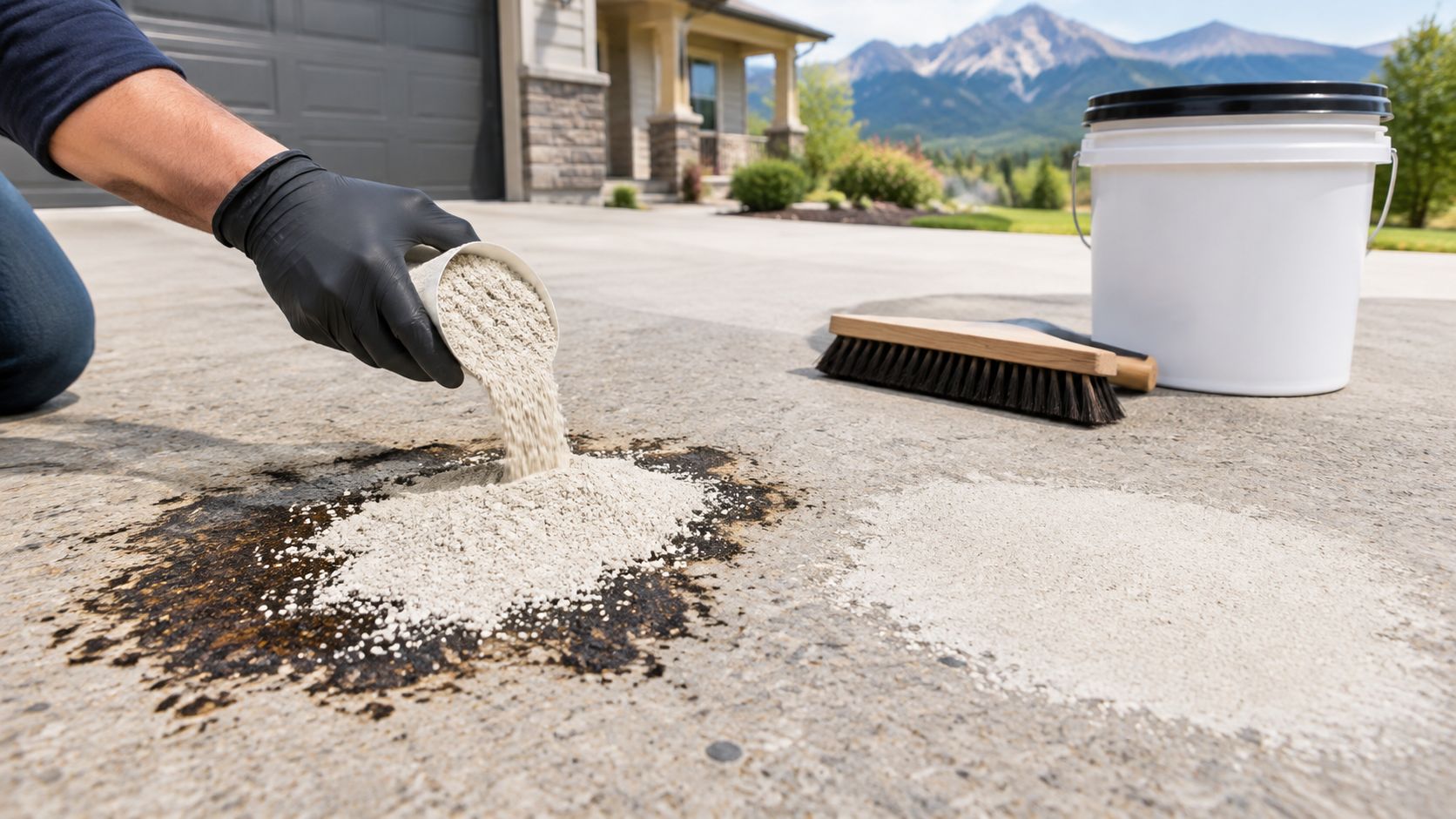
| Pressure washing | Gray concrete, patio buildup, walkway grime, and driveway staining | House wash |
| Gutter and downspout flushing | Packed debris, restricted drainage, and overflow risk | Fire-mitigation clearing |
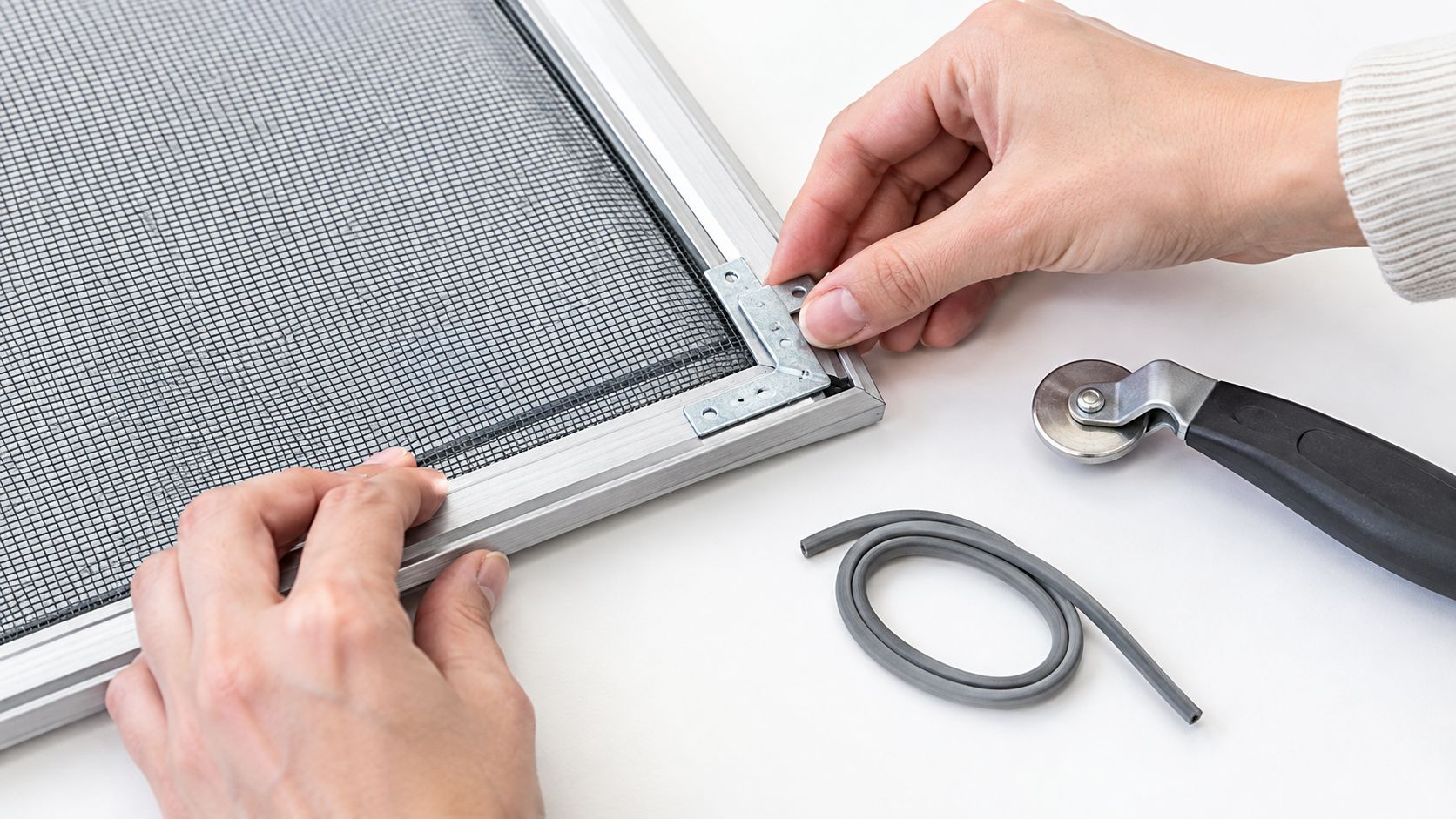
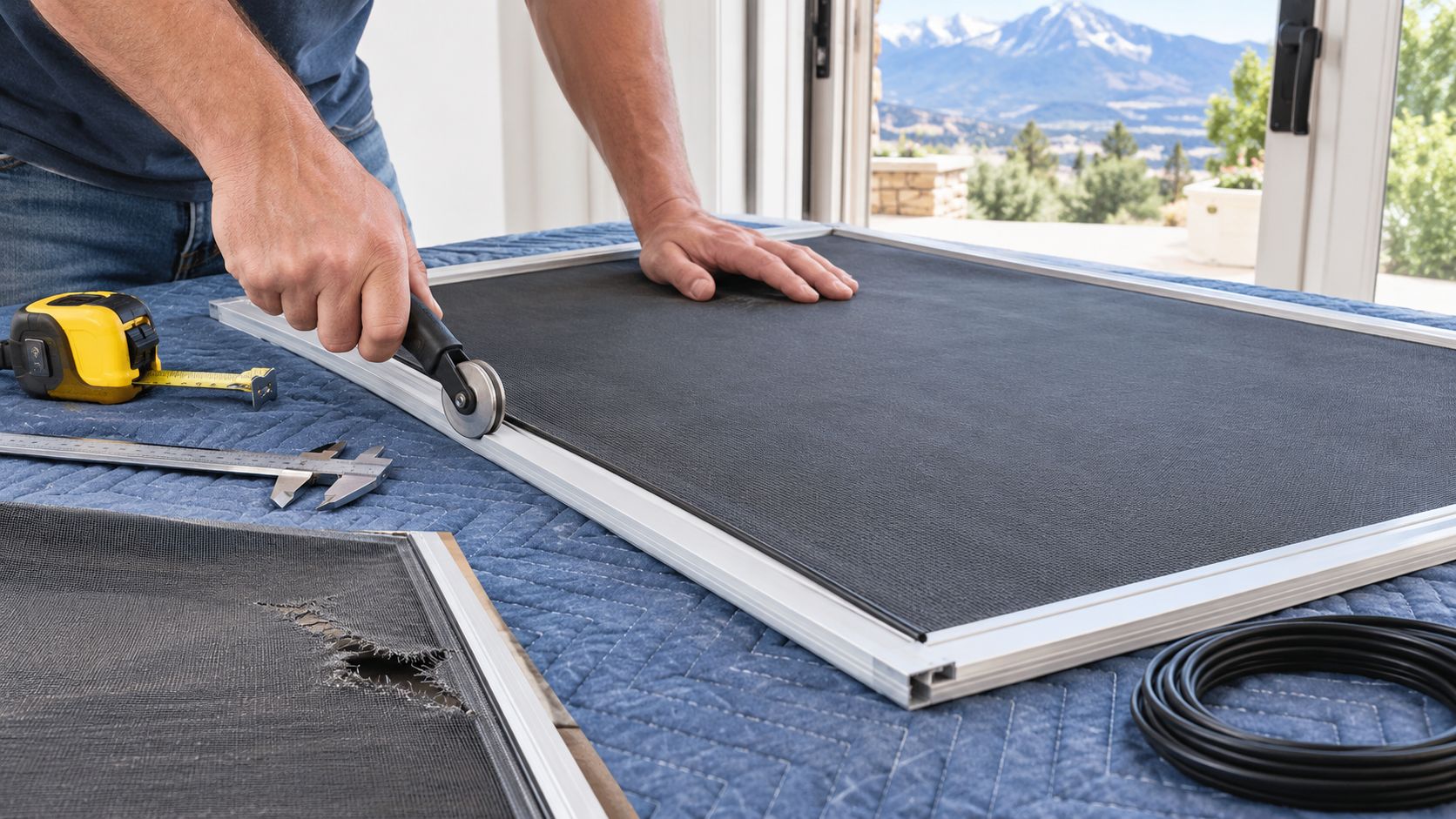
| Screen repair and rescreening | Torn window and door screens | Window cleaning |
| Holiday or permanent lighting | Seasonal installation, removal, or year-round display needs | Gutter and roofline access |
What belongs in a bundle
A typical whole-home bundle might include exterior window cleaning, interior window cleaning where requested, screen removal and washing, track cleaning, a soft house wash, driveway or walkway pressure washing, and gutter flushing. For homes near Black Forest, pine needles and windblown debris make gutter work especially useful after heavy drop periods.
Screen repair is related but often stays a standalone line item because damaged frames or rescreening require inspection and materials. Lighting installation and takedown can also remain separate if the property needs design planning, permanent fixtures, timers, or specialized access.
Cultivate House Detailing offers residential and commercial window cleaning, pressure washing for patios, walkways, siding, and driveways, gutter cleaning, fire-mitigation clearing, screen repair, and seasonal lighting services in Colorado Springs and nearby communities. The important point isn't adding every service automatically. It's asking the crew to build a sensible work order around your property.
Soft Wash vs Pressure Wash and What Your Siding Can Take
Read a cleaning quote by looking for pressure, chemistry, dwell time, and surface protection. If the quote only says “pressure wash house” without identifying the siding material or method, it doesn't give you enough information to judge the risk.
Soft washing uses low pressure to apply cleaning chemistry, often a biodegradable surfactant and sodium hypochlorite solution, then allows the solution to dwell before a controlled rinse. A commonly cited soft-washing band is 500 PSI or less, with many delicate applications using much lower pressure. The exact setting should still depend on the material, nozzle, distance, hose flow, and condition of the surface. Independent soft-washing guidance emphasizes low-pressure detergent application, wider fan tips, and controlled technique over brute force.
Pressure washing relies more heavily on mechanical force. It can suit concrete, brick, pavers, and other durable surfaces, but excessive force can etch stucco, strip paint, loosen shingle granules, drive water behind siding, or create oxidized streaks on aluminum.
Use the siding material as your decision rule
- Stucco and EIFS: Choose low-pressure chemistry and controlled rinsing. Avoid a concentrated blast at seams, cracks, vents, or window edges.
- Vinyl siding: Use a broad spray pattern and modest pressure. Water forced beneath panels can create hidden problems.
- Wood siding: Use a gentle wash that won't etch the grain or lift paint. Older paint may require additional safety evaluation.
- Aluminum siding: Start very gently because the panels can dent and oxidation can produce uneven streaking.
- Fiber cement: Careful washing is usually appropriate, but joints, paint condition, and lap edges still matter.
- Brick, pavers, and concrete: These generally tolerate more mechanical cleaning, though mortar, sealers, and surface condition should guide the setting.
- Shingle siding: Don't pressure-wash it. Use a method designed for the material.
If you're comparing chemistry choices, you can also review enzyme-based cleaner options as background on lower-impact cleaning approaches. The product name matters less than whether the crew can explain compatibility, dilution, dwell time, plant protection, and runoff control.
Before work begins, the crew should pre-wet plants, cover sensitive beds, control overspray, and rinse landscaping thoroughly. Ask directly: What PSI will you use? What chemistry will you apply? How long will it dwell? How will you protect plants and prevent water intrusion? A useful comparison of soft washing versus pressure washing should leave you with those questions, not just a machine rating.
Hiring Checklist and Smart Questions to Ask a Colorado Springs Cleaner
A professional-looking truck doesn't prove that a crew knows how to clean your home safely. Before booking window washing, house washing, or gutter work, ask for documentation and a clear description of the process.
Verify the company before discussing price
Start with the basics:
- Business registration: Confirm the company is properly established for the work it performs in Colorado Springs and surrounding communities.
- Workers' compensation: Ask for a current certificate sent directly from the insurer or agency.
- General liability: Verify that coverage applies to property damage involving siding, glass, landscaping, and water intrusion.
- Safety training: Ask how the crew handles ladders, roof edges, windows, and fall protection.
- Written estimate: Require line items for soft washing, pressure washing, interior window cleaning, exterior window cleaning, gutters, screens, and lighting.
For commercial or higher-access window cleaning, safety isn't a marketing extra. California regulations define window cleaning broadly to include glass, frames, curtain wall components, and building panels, as shown in the California window-cleaning safety rules. OSHA guidance also says permanent roof anchorages used for window-washing devices and suspension systems must be sound, rigid, and capable of supporting the intended load, according to its roof-anchorage interpretation.
Ask questions that reveal the method
A crew should answer these without irritation:
- Which surfactant and rinse method will you use on my stucco, vinyl, wood, or aluminum?
- How will you pre-wet and protect xeriscape beds?
- Will you bring water, or use the home's spigot?
- How will you avoid spraying into window gaps, doors, siding laps, and vents?
- What equipment and fall-protection plan will you use for upper-story windows?
- Will the quote separate hard-water stain removal from standard window cleaning?
Independent safety guidance discusses fall protection thresholds commonly used at 4 feet in general-industry settings and 6 feet in construction-equivalent environments, while also emphasizing inside cleaning where practical and personal restraint when floor-level cleaning isn't possible. Review the window-cleaning safety standards guidance before approving difficult access work.
Door-to-door pressure, cash-only pricing, vague one-line estimates, and refusal to provide insurance documents are red flags. For additional context on evaluating contractors, review the contractor guidance from XTREME EDEALS INC., then choose the crew that gives you specific answers about your property.

Seasonal Timing and a Simple Maintenance Schedule for Colorado Homes
Colorado Springs homes don't get dirty on a perfectly predictable calendar. Wind, pollen, irrigation spray, sun exposure, snowmelt, and storm runoff determine what needs attention first.
Spring
Clear winter residue from glass, siding, patios, and entryways. Inspect north-facing walls for algae or dark organic buildup, then prepare the property for windblown dust and spring cottonwood fluff. This is also a smart time to clean screens and tracks before windows stay open more often.
Summer
Schedule window cleaning after the heaviest pollen settles. Check gutters and downspouts before the summer thunderstorm cycle, especially if trees overhang the roof. Watch south- and west-facing surfaces for fast drying, mineral spotting, and UV-related fading.
Fall
Fall is the key gutter season. Remove leaves, pine needles, and roofline debris, then flush downspouts so runoff doesn't spill against siding or foundations. If you want holiday lighting, plan installation after the main exterior wash and before weather makes roofline access unpleasant.
Winter
Winter is usually the slower season for full exterior washing, but it's a useful time to inspect ice-prone areas, clear snow away from siding bases, and plan spring service. Scheduling early also gives you time to compare written scopes rather than accepting the first available crew during the spring rush.

Hard-water spots deserve attention before they become more difficult. Mineral deposits from calcium and magnesium remain after irrigation water evaporates, and severe buildup may require specialized treatment rather than ordinary window washing. Guidance on hard-water window deposits recommends addressing buildup early and cleaning during sprinkler season as part of ongoing maintenance.
DIY Versus Hiring a Pro for Exterior Cleaning
DIY makes sense when the work is low, simple, and forgiving. Rinsing a patio, washing a single-story vinyl exterior with a garden hose, or replacing a few window screens can be reasonable weekend projects. The risk rises quickly once ladders, upper-story glass, delicate siding, chemical handling, or drainage systems enter the picture.
Windows above the first story belong on a professional truck. So do multi-story gutter clearing and stucco soft washing when you can't control spray distance, runoff, or dwell time. A wrong pressure setting can damage a surface faster than a homeowner can recognize the problem, and water intrusion may not appear until later.
| Task | DIY Feasible | Pro Recommended | Key Reason |
|---|---|---|---|
| Rinse a ground-level patio | Yes | Optional | Simple access and durable surface |
| Wash a single-story vinyl exterior with a hose | Yes | Optional | Lower force reduces risk |
| Clean first-story interior glass | Yes | Optional | Manageable access and equipment |
| Remove hard-water spotting | Sometimes | Yes for severe buildup | Glass may need specialized treatment |
| Wash stucco or EIFS | Rarely | Yes | Chemistry, dwell, and rinsing must be controlled |
| Clean upper-story windows | No | Yes | Ladder and fall risk |
| Clear multi-story gutters | No | Yes | Access and fall protection |
| Pressure-wash concrete | Sometimes | Often | Consistent results require correct tip and pressure |
| Repair or rescreen multiple screens | Sometimes | Yes for larger batches | Frame handling and material consistency |
Equipment isn't the whole equation
A consumer pressure washer can handle selected outdoor chores, but a commercial exterior-cleaning setup offers more control over hose reach, chemical application, water flow, filtration, and rinsing. For windows, spot-free results depend on technique and water quality, not on spraying harder. A squeegee, microfiber detailing cloth, screen tools, and distilled or purified rinse water can make a visible difference when mineral spotting is present.
If the job is above your head, above the first floor, or above your patience for streaks, hire it out.
Professional window cleaning also involves more than glass. The work may include frames, tracks, screens, and adjacent panels. OSHA materials emphasize that window washing can require planning around permanent anchorages and suspension systems, making it a poor fit for improvised ladder work.
What to Expect When You Book a Local Exterior Cleaning Service
A reliable booking process starts before the crew arrives. The estimator should review the home by walk-around, photographs, or satellite imagery and identify the details that affect labor and risk. That includes square footage, siding type, window count, gutter access, screen condition, roofline complexity, landscaping, and any lighting work.
Your written estimate should separate the scope into understandable line items:
- House washing: Soft-wash chemistry, dwell time, rinsing, and plant protection.
- Pressure washing: Concrete, pavers, patios, walkways, or driveway areas.
- Window cleaning: Interior glass, exterior glass, screens, tracks, and hard-water treatment.
- Gutter service: Debris removal, downspout flushing, and cleanup.
- Lighting: Installation, takedown, testing, and storage responsibilities.
Ask about the arrival window, truck-mounted or trailer-rigged equipment, water requirements, hose-bib access, pets, gates, and door security. A good crew will tell you what to move, where to park, and how to keep animals safely inside while hoses and ladders are in use.
The work should follow a controlled sequence
The crew should protect landscaping before applying chemistry, remove or secure screens, and keep spray away from siding gaps, window seals, doors, and sensitive fixtures. Window technicians should hand-detail glass with a squeegee and microfiber cloth, while the house-washing team uses the pressure and chemistry appropriate for the surface rather than treating every wall like concrete.
For hard-water spots, the technician should first wet the glass and observe whether the haze changes. If the mark changes when wet, it may be a removable mineral stain. If it looks the same wet and dry, the glass may be etched and require polishing or replacement instead of ordinary cleaning. The practical hard-water stain workflow includes pre-rinsing grit, using a 1:1 white vinegar and distilled-water mix, keeping the glass wet for 15 to 20 minutes, agitating with non-abrasive microfiber or #0000 steel wool, rinsing with distilled water, and drying immediately. It also recommends top-down work, overlapping squeegee passes at about a 30-degree angle, and wiping the blade after each pass.
Sun exposure can dry glass or chemistry too quickly, so timing matters. Finish with a property walkthrough, photo documentation where useful, a satisfaction check, and a clear process for addressing missed spots. If the company offers a 30-day spot-touch promise, make sure it appears in the written service terms rather than relying on a verbal assurance.
Cultivate House Detailing provides professional window cleaning in Colorado Springs, CO, including streak-free residential and commercial service, interior and exterior glass cleaning, screen repair, gutter cleaning, pressure washing, soft washing, and seasonal lighting. Visit Cultivate House Detailing to request a clear estimate and schedule an exterior cleaning plan matched to your siding, windows, access, and maintenance needs.
Looking for a professional to take care of it? Cultivate House Detailing offers residential window cleaning in Colorado Springs. Get a free quote.
Service areas: Black Forest · Fountain · Manitou Springs · Monument · Woodland Park · Security-Widefield · Rock Creek Park