If you're in Colorado Springs and your windows look cloudy no matter how often you wipe them down, you're probably not dealing with regular dirt. You're looking at hard water stains. Those chalky spots show up on glass, shower doors, siding, and fixtures, and they can make an otherwise clean home feel neglected fast.
Homeowners usually notice it first on the windows that should have the best view. The mountains are right there, the light is great, and then the glass catches a haze of white spotting that won't rinse off. That's where hard water stain removal becomes less about basic cleaning and more about using the right method, the right tools, and enough patience to avoid damaging the surface.
In Colorado Springs, CO, this comes up all the time for both residential window cleaning and commercial window cleaning. It's one of the biggest reasons people start searching for window cleaning near me, especially after sprinkler season, wind, and mineral-heavy water leave their mark. If you're trying to decide between a DIY fix and hiring a professional window cleaning service, it helps to know what these stains are, what works, and when it's smarter to call for help.
Understanding Hard Water Stains on Your Colorado Home
A lot of people first notice hard water staining in the same way. You clean the window. It looks better for a day. Then the sun hits it in the afternoon, and the white spotting is still there.
That frustration makes sense. Hard water stains form when water containing high levels of minerals, primarily calcium and magnesium, dries on glass surfaces, creating a visible etch that light to moderate stains can sometimes be addressed with a white vinegar solution mixed in equal parts with distilled water and left to sit for 5–10 minutes before rinsing thoroughly (Window Genie).

What the stains actually are
The short version is simple. Water lands on the surface, then evaporates. The minerals don't evaporate with it, so they stay behind and build up layer by layer.
On windows, that usually looks like:
- White spotting from sprinkler overspray
- Cloudy haze that doesn't wipe away with regular glass cleaner
- Crusty edges near the bottom of panes or around frames
- Etching marks that remain even after cleaning
On exterior surfaces around Colorado Springs homes, the same mineral problem often shows up on siding, stone accents, shower glass, faucets, and around irrigation-heavy areas.
Hard water stains don't always start as a major problem. They start as a few spots that get baked in over time.
Why Colorado homes deal with it so often
Around here, it's common to see mineral residue on exterior glass after repeated sprinkler contact. Add strong sun, wind, and long dry stretches, and those deposits harden quickly. Homeowners often think they need stronger soap, but soap alone won't dissolve mineral buildup.
That's why hard water stain removal is different from standard window washing. Dirt, pollen, and fingerprints usually come off with routine interior window cleaning or exterior window cleaning. Mineral deposits often need dwell time, light agitation, and careful rinsing.
If you're curious how mineral scale behaves on other household surfaces too, this comprehensive guide on hot tub scale gives a useful plain-English breakdown of how buildup forms and why it keeps coming back.
For local homeowners, this isn't just a cosmetic issue. Spotted windows dull natural light, make routine streak-free window cleaning harder, and can affect how cared-for the property looks from the street.
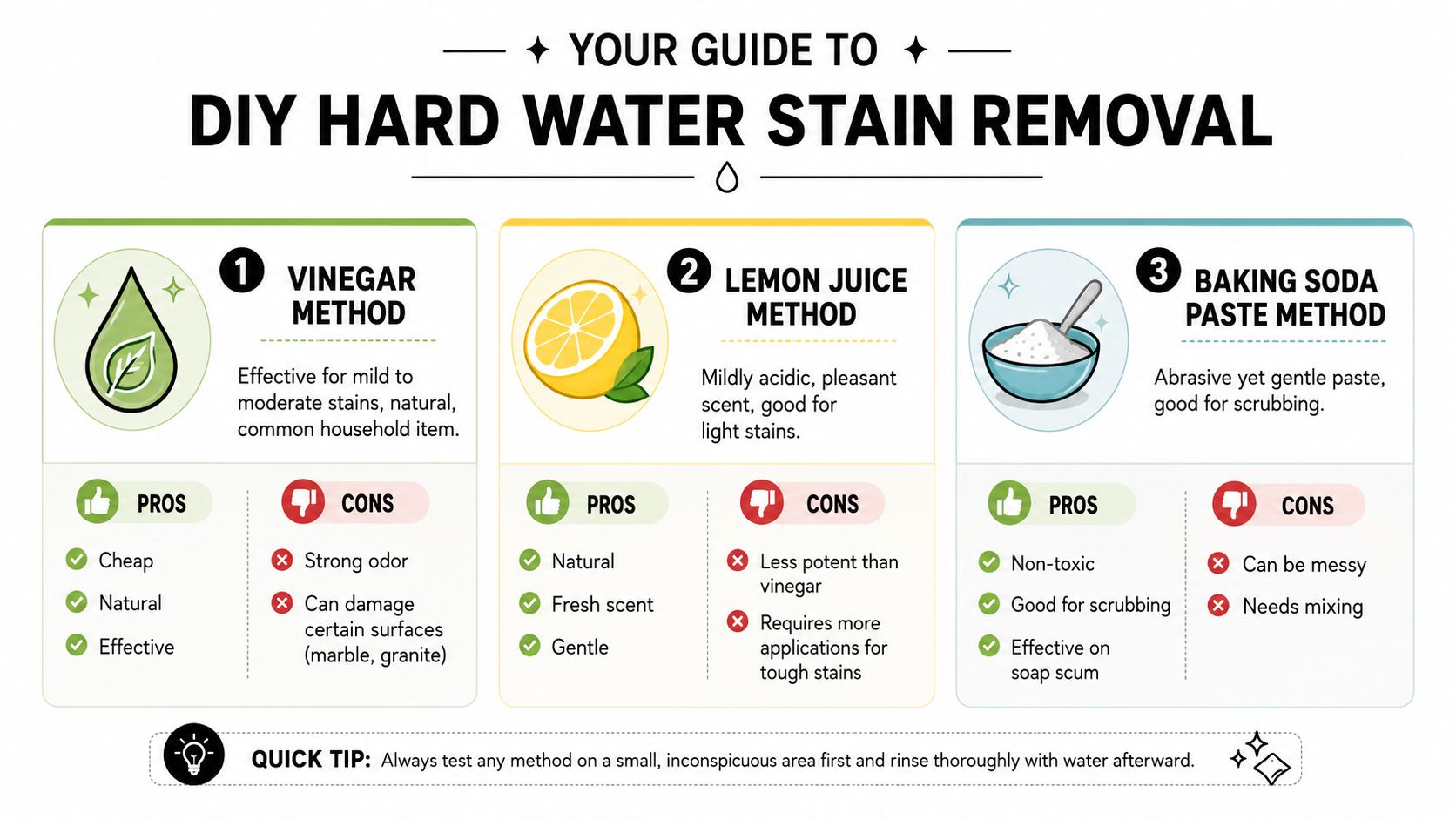
Your Guide to DIY Hard Water Stain Removal
DIY hard water stain removal can work. It just works best when the stain is still in the deposit stage and hasn't crossed into permanent etching. The biggest mistake homeowners make is rushing the process. Mineral deposits need time to soften.
Effectively removing hard water stains requires a specific time-based chemical reaction, typically involving soaking the affected area with white vinegar for 15 to 30 minutes to dissolve mineral buildup. For glass surfaces, the solution must sit for 5 to 10 minutes, while tougher stains may require a baking soda paste applied for 10 minutes (Aquasana).
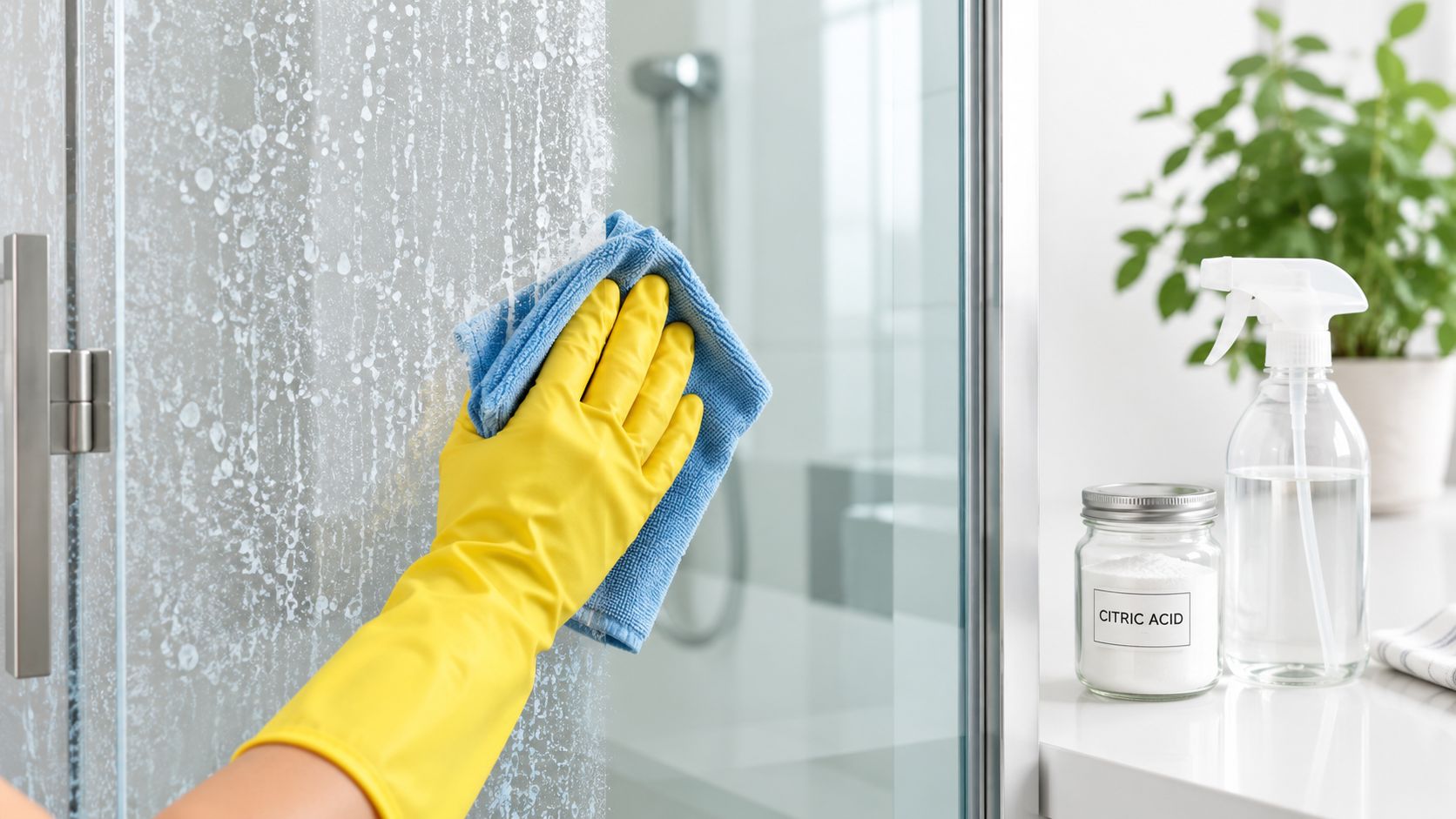
On glass and windows
For windows, shower glass, and other smooth glass surfaces, start with the gentlest method first.
- Wet the glass first. A damp surface helps the cleaner spread evenly and slows down premature drying.
- Mix a simple solution. Use equal parts distilled white vinegar and water.
- Apply it generously. Spray the glass or soak a cloth and press it onto the stained area.
- Let it sit. On glass, give it the full 5 to 10 minutes.
- Wipe with a soft cloth or non-abrasive sponge. Use gentle circular motion.
- Rinse thoroughly. Don't leave loosened minerals behind.
- Dry the surface completely. A microfiber towel works best.
If the stain lightens but doesn't disappear, repeat the process instead of jumping straight to aggressive scrubbing. Repeated gentle work is safer than one overly forceful pass.
On faucets and bathroom fixtures
Fixtures can be trickier because finishes vary. Chrome, brushed metal, matte black, and specialty coatings don't all tolerate the same cleaning approach.
For typical mineral buildup:
- Apply vinegar with a soft cloth.
- Let it dwell long enough to soften the deposit.
- Wipe gently.
- If residue remains, use a baking soda paste for about 10 minutes before lightly scrubbing.
Keep the pressure low. You're trying to break the bond of the deposit, not grind the finish underneath it.
Practical rule: If a fixture finish is decorative or dark, test your cleaner in a small hidden spot before doing the whole surface.
On exterior buildup around the home
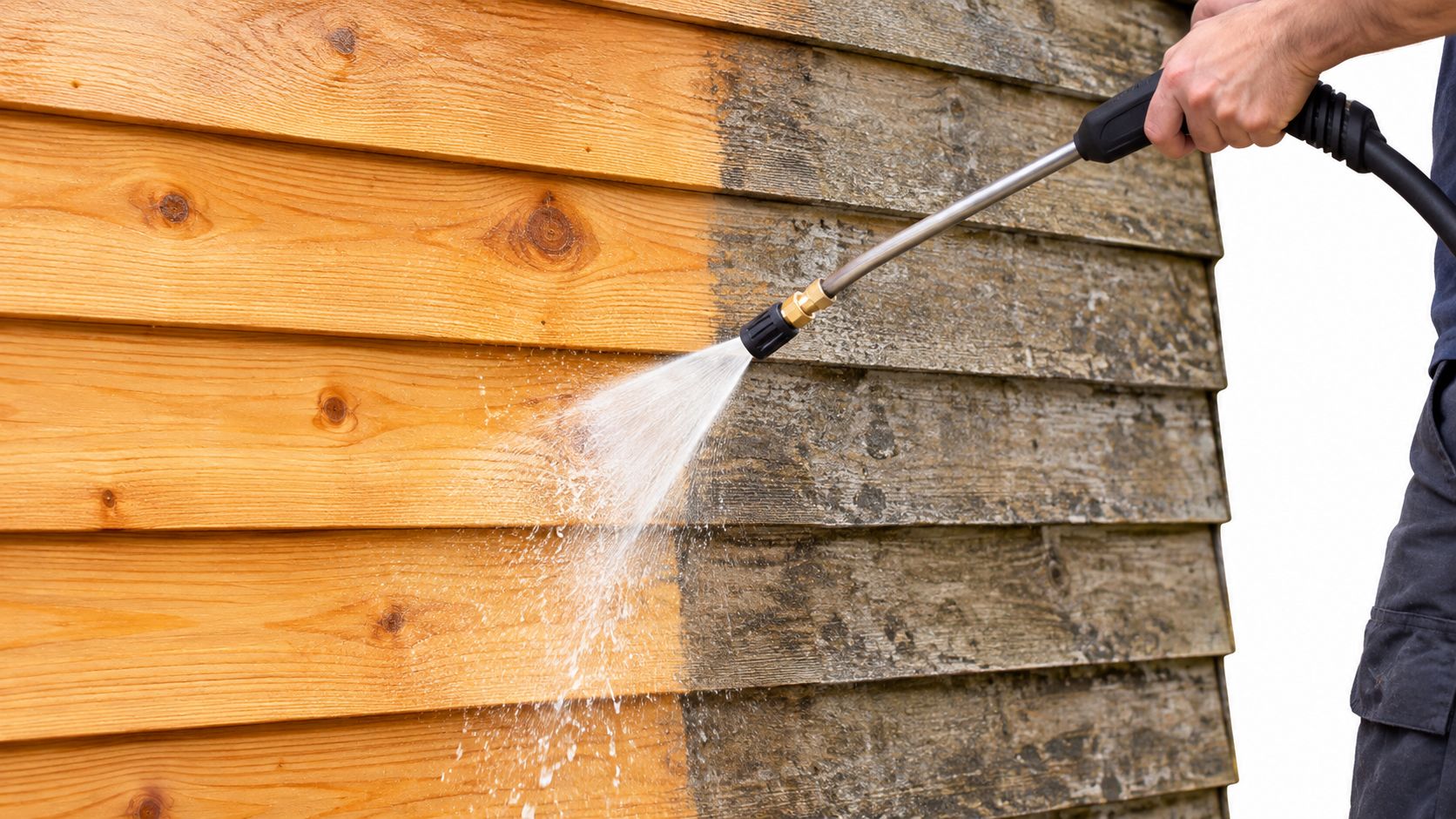
On siding, patio edges, and splash zones near hose bibs or sprinklers, hard water often mixes with regular outdoor grime. That makes the surface look dirtier than it really is.
A careful approach works better than an aggressive one:
- Start mild. Use a soft cloth or soft brush with a vinegar-based solution where appropriate.
- Work in small sections. Large areas dry too fast in Colorado sun.
- Rinse before the cleaner dries. Dried cleaner can leave more residue behind.
- Avoid over-scrubbing painted or delicate surfaces. Mineral stains may come off. Finish damage doesn't.
Where DIY usually goes wrong
Most failed DIY jobs come from one of three things:
| Problem | What usually caused it | Better move |
|---|---|---|
| Stain still visible | Cleaner didn't sit long enough | Repeat with proper dwell time |
| New streaks appeared | Surface wasn't rinsed and dried fully | Rinse well, then microfiber dry |
| Surface looks dull | Scrubbing was too aggressive | Step back to softer tools |
For routine upkeep, homeowners can often stay ahead of the problem with spot treatment and regular maintenance services. But if the glass is high, the staining is widespread, or you're dealing with multiple surfaces at once, the labor adds up quickly. That's usually when people start looking for window cleaning in Colorado Springs, CO instead of spending another weekend fighting the same spots.
Gathering Your Tools for Stain Removal Success
A good result starts before any cleaner hits the glass. If the tools are wrong, even the right method can leave scratches, lint, streaks, or half-removed mineral deposits. That's why pros tend to be picky about what touches the surface.
The basic kit that makes sense
A practical DIY setup should include:
- Distilled white vinegar for dissolving mineral residue
- Spray bottle for even application
- Microfiber cloths for wiping and drying
- Non-abrasive sponge or white scrub pad for controlled agitation
- Baking soda for paste on stubborn spots
- Gloves to protect your skin
- Eye protection if you're cleaning overhead or working with splatter-prone surfaces
Microfiber holds greater importance than generally recognized. Paper towels can leave lint and often push residue around instead of lifting it off. A good microfiber towel helps with both cleaning and final drying, which is one reason pros lean on it for streak-free window cleaning.
The tool that needs caution
For more stubborn glass deposits, some professionals step up to Steel Wool Grade 0000 or Bronze Wool, applying light pressure of 2 to 4 pounds to buffer the stain out without scratching the glass (WindowCleaner.com guide).
That detail matters. Not all steel wool is safe. Only the very fine grade belongs anywhere near glass in a hard water stain removal workflow. Anything more abrasive can permanently mark the surface.
A few common-sense rules help:
- Use it only on glass, not on coated trim or delicate finishes
- Keep the surface lubricated
- Use light pressure
- Stop immediately if you're unsure what kind of glass or coating you're working on
Why preparation changes the outcome
Homeowners often think pros get better results because of stronger chemicals. Sometimes that's part of it, but preparation is usually the bigger difference. Clean towels, the correct pad, enough solution, and patience all matter.
Here's a simple comparison:
| Tool | Why it helps | Risk if replaced with the wrong item |
|---|---|---|
| Microfiber towel | Lifts residue and dries cleanly | Paper towels can lint and streak |
| White scrub pad | Gentle agitation | Abrasive pads can scratch |
| Distilled vinegar | Reliable acid for deposits | Random cleaners may haze finishes |
| 0000 steel wool | Can help with stubborn glass buildup | Wrong grade can damage glass |
One local option homeowners sometimes compare against the DIY route is Cultivate House Detailing. Their service mix includes window cleaning and exterior cleaning work that addresses hard water spotting along with routine dirt and buildup. For many people, the question isn't whether the stain can be attacked. It's whether they want to source the tools, test the surface, and spend the time doing it carefully.
What to Do When Stains Wont Budge
Sometimes you do everything right and the stain still hangs on. That's usually the point where frustration sets in. You tried vinegar, you scrubbed carefully, and the glass still looks hazy in direct sun.
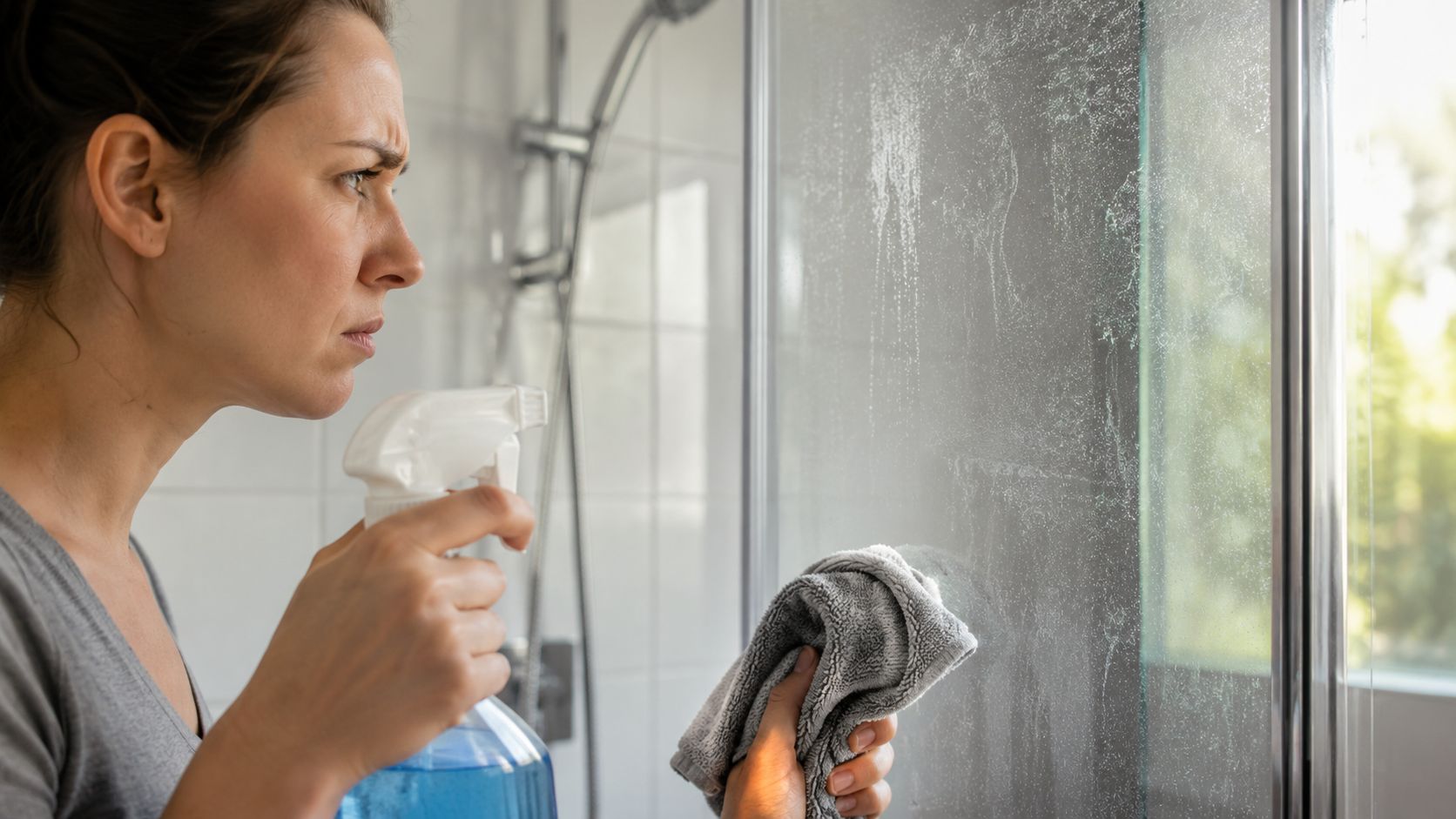
If the stain improved but didn't disappear
That's often a sign you're making progress, just not all the way through the deposit. In that case, a second treatment makes more sense than stronger pressure. Reapply your solution, give it proper dwell time, and work the area again with a soft cloth or non-abrasive pad.
If you're seeing a patchy result, the issue may be uneven application or drying during the process. Mineral cleaners need to stay active long enough to soften the deposit. Once they dry on the surface, the job usually gets worse instead of better.
If the stain changes shape or lightens after cleaning, you're still dealing with buildup. If it never changes at all, etching becomes more likely.
If you're getting streaks instead of clarity
Streaking after stain removal usually means residue is still being left behind. That could be leftover cleaner, loosened minerals, or dirty towels.
Try this short reset:
- Rinse the glass fully
- Switch to a fresh microfiber
- Dry immediately
- Check the glass from different angles
On exterior windows, sun and wind speed up drying. That's why DIY hard water stain removal often feels easier in the shade than in full afternoon light.
Here's a useful visual walkthrough for stubborn glass situations:
If the problem is actually etching
This is the hard truth homeowners don't hear often enough. Not every hard water stain is removable. Some old stains leave behind permanent damage in the form of etched glass. At that point, you're not cleaning off a deposit anymore. You're looking at a surface that has already been altered.
That matters because more scrubbing won't fix etched glass. It only increases the chance of scratching it, especially if you move from soft tools to aggressive pads out of frustration.
The practical line is pretty clear:
- If the spot responds, keep using controlled cleaning methods.
- If the spot doesn't respond at all, stop before you create a second problem.
- If the glass is high, expensive, or hard to access, professional help usually costs less than a mistake.
For homeowners trying to protect curb appeal and maintain clear views, knowing when to stop is part of doing the job right.
Proactive Tips to Prevent Future Hard Water Stains
Prevention is easier than removal. Once a window or shower panel starts collecting mineral deposits, every future cleaning gets more time-consuming. A few habits can cut down the buildup before it hardens.
Small routines that help
These are the habits that make the biggest difference around a Colorado home:
- Dry glass after it gets wet. A squeegee or microfiber towel keeps minerals from drying in place.
- Wipe faucets and fixtures. Quick wipe-downs stop that chalky ring from building up.
- Watch sprinkler spray. If irrigation hits your windows or siding regularly, stains will keep coming back.
- Clean spots early. Fresh deposits are always easier than old ones.
For a broader maintenance perspective, this expert guide to water spot prevention is a helpful resource for understanding how prevention habits reduce repeat cleanup.
Think beyond the glass
A lot of recurring hard water staining starts outside. Sprinkler alignment, overspray near lower panes, and water runoff patterns around trim all contribute. Homeowners often focus only on the window, even though the source is happening a few feet away in the yard.
That also applies to regular service scheduling. Homes that stay on a maintenance rhythm usually have an easier time keeping up with exterior window washing, screen cleaning, and buildup around tracks and frames. If you want a more detailed local walkthrough, this guide on preventing hard water stains on glass is worth reading.
Maintenance note: The best time to remove a hard water spot is before it looks serious.
Why prevention supports property care
Clean windows do more than look nice. They improve natural light, help with curb appeal, and make regular interior window cleaning and commercial window cleaning simpler. For property owners in Colorado Springs, CO, prevention also protects the finish and clarity of surfaces that are expensive to replace.
That matters whether you're maintaining a home, getting ready to sell, or keeping a storefront looking sharp. The less buildup you allow to bake onto the surface, the easier every future cleaning becomes.
When to Trust the Professionals at Cultivate House Detailing
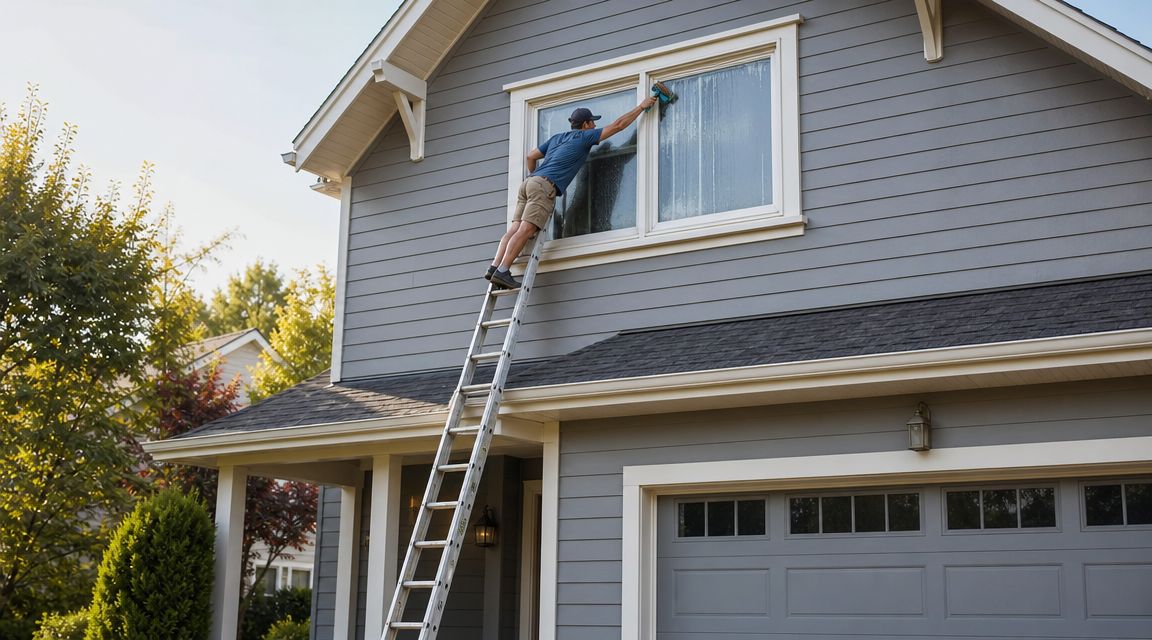
There comes a point where DIY stops being practical. Maybe the stains are baked onto second-story glass. Maybe you've already spent hours scrubbing and the haze is still there. Maybe the windows sit above landscaping, on a steep grade, or over a hard surface where ladder work isn't worth the risk.
That's where professional help makes sense, especially for homeowners and businesses searching for window cleaning near me, professional window cleaning, or window cleaning in Colorado Springs, CO because they want the job handled safely and cleanly the first time.

Signs it's time to stop experimenting
Professional service is usually the better call when:
- The glass is high or awkward to reach
- The staining is widespread across multiple panes
- You suspect etching and don't want to make it worse
- You have delicate finishes nearby
- You want the windows, screens, and tracks cleaned together
Those situations come up all the time in both residential window cleaning and commercial window cleaning. A homeowner might have sprinkler damage on the back patio doors. A business might have mineral spotting across storefront glass that keeps the whole entry looking dull.
What professional work changes
For professional-grade hard water stain removal, experts apply only 2–4 pounds of pressure with orbital buffers to avoid scratching the glass, and they ensure the solution remains soapy and is rinsed before evaporation to prevent re-deposition of minerals (YouTube demonstration). That kind of control is hard to replicate without practice.
Professionals also make better judgment calls about what can be removed and what has become permanent surface damage. That matters because the wrong tool, the wrong pad, or too much pressure can turn a stain problem into a glass replacement problem.
For homeowners who are also dealing with mineral issues elsewhere in the home, it can help to think bigger-picture too. Persistent scale can show up in plumbing fixtures and appliances, which is why some people also look into services like water heater repair in San Antonio for a separate example of how water quality affects systems beyond the glass.
Why local experience matters in Colorado Springs
Hard water staining here often isn't just a one-window issue. It's tied to irrigation patterns, dust, sun exposure, and the way exterior glass gets used through the seasons. A local company that handles exterior window cleaning, interior window cleaning, and related maintenance can spot those patterns faster.
Cultivate House Detailing serves Colorado Springs and nearby communities with service work that fits that reality. For property owners interested in a purified-water approach for routine glass maintenance, their page on deionized water window cleaning gives useful context on how spot-free rinsing fits into long-term care.
When stains are too tough, too high, or too risky, calling a pro isn't giving up. It's protecting the glass, saving time, and avoiding the cost of trial-and-error.
If your windows, shower glass, or exterior surfaces are covered in mineral spotting and you want clear, streak-free results, contact Cultivate House Detailing for a quote. Whether you need help with hard water stain removal, residential window cleaning, commercial window cleaning, screen cleaning, or exterior window washing in Colorado Springs, CO and nearby areas, you'll get straightforward service, careful work, and a cleaner view without the hassle.
Need it done properly the first time? Cultivate House Detailing offers residential window cleaning in Colorado Springs. Get a free quote.