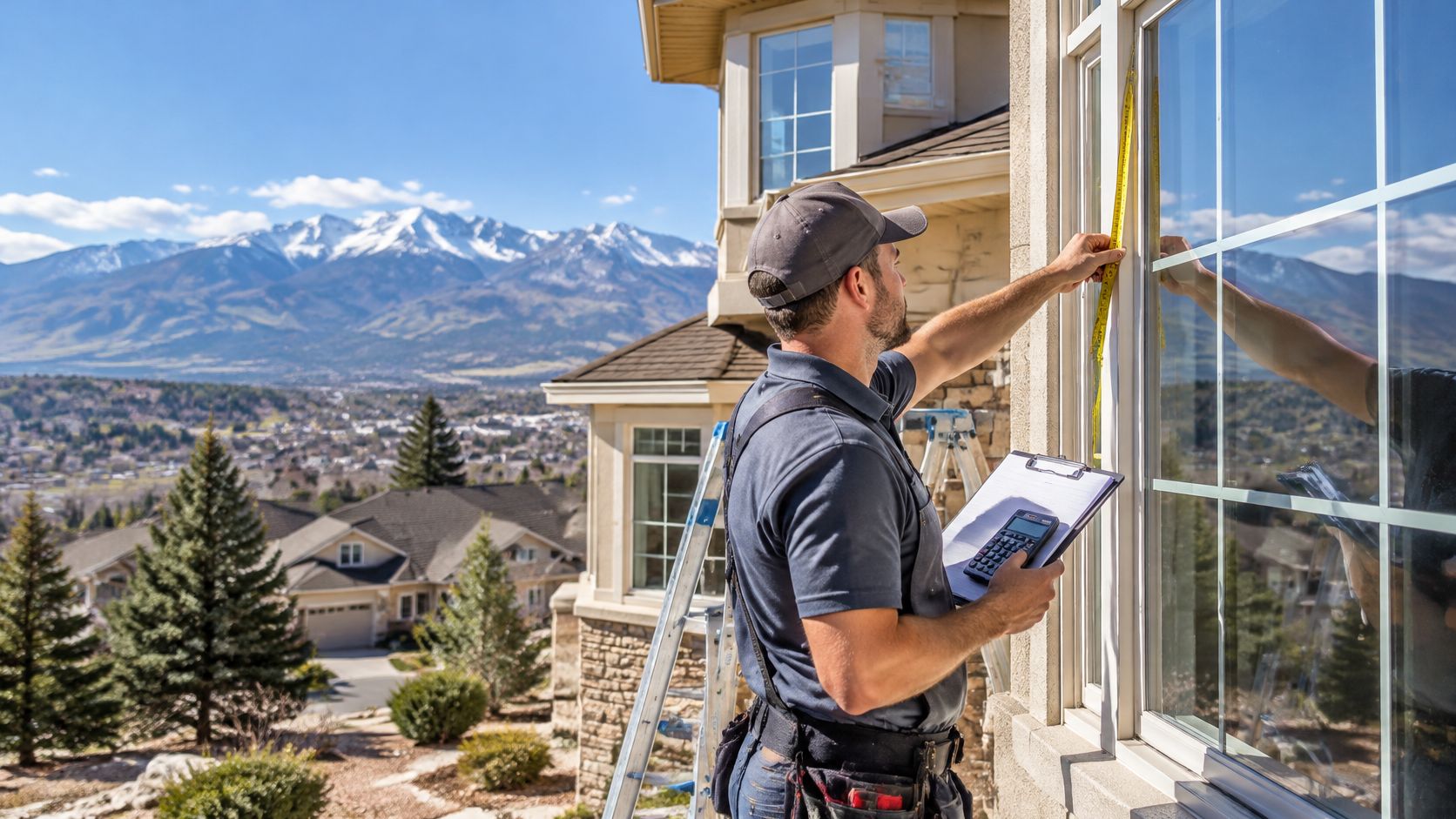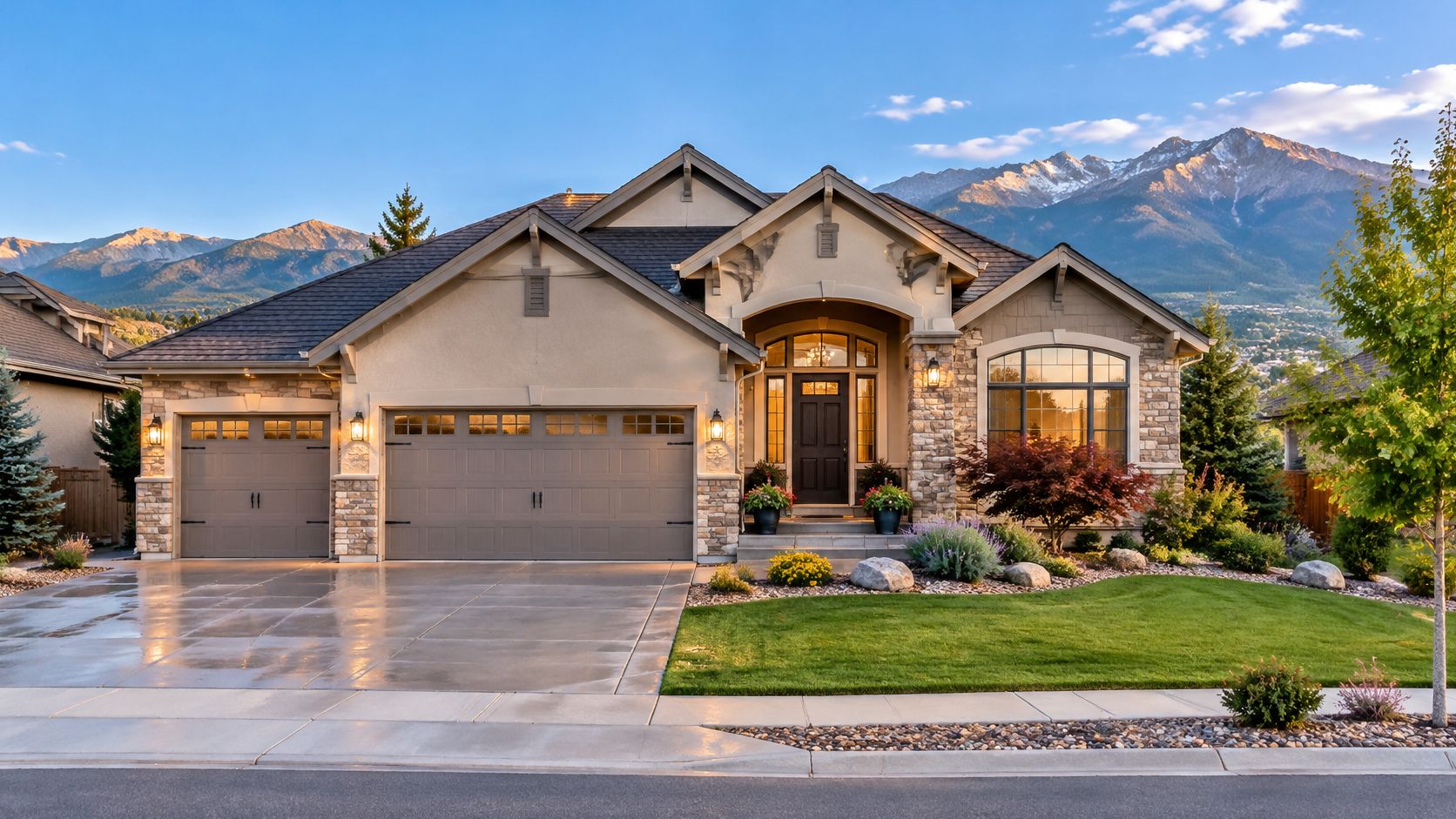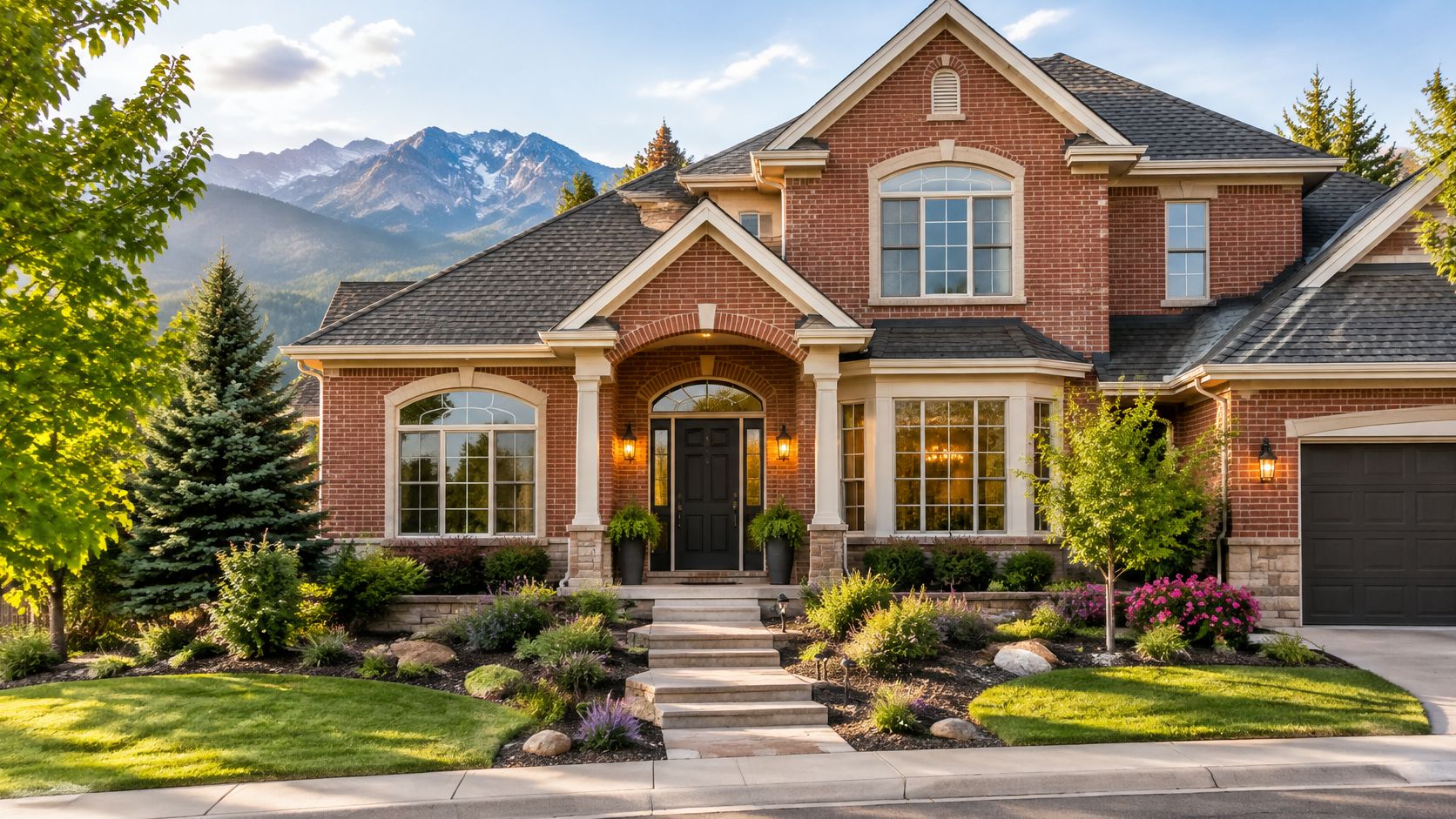
You're standing in the driveway in Colorado Springs, looking at a box of tangled lights, a cold-weather roofline, and an exterior outlet you're not sure can handle the display. The vision is simple, a bright, welcoming home. The work is not. Searching for outdoor Christmas light installation near me should lead to more than attractive photos. It should help you find a local installer who plans access, power, materials, maintenance, and removal before anyone climbs a ladder.
Cultivate House Detailing serves Colorado Springs and nearby communities with holiday and permanent lighting services, alongside exterior cleaning for homes and businesses. This guide focuses on the decisions that matter most, especially the hidden safety and electrical questions many homeowners overlook.
Why Homeowners Are Hiring Professional Christmas Light Installers
Every November, the same project starts with good intentions. A homeowner pulls lights from storage, discovers several tangled strands, tests a section that worked last year, and then notices the roofline is far higher than it looked from the street. The ladder goes up, the temperature drops, and a quick decorating task becomes a day of awkward reaching, repeated climbs, and troubleshooting.
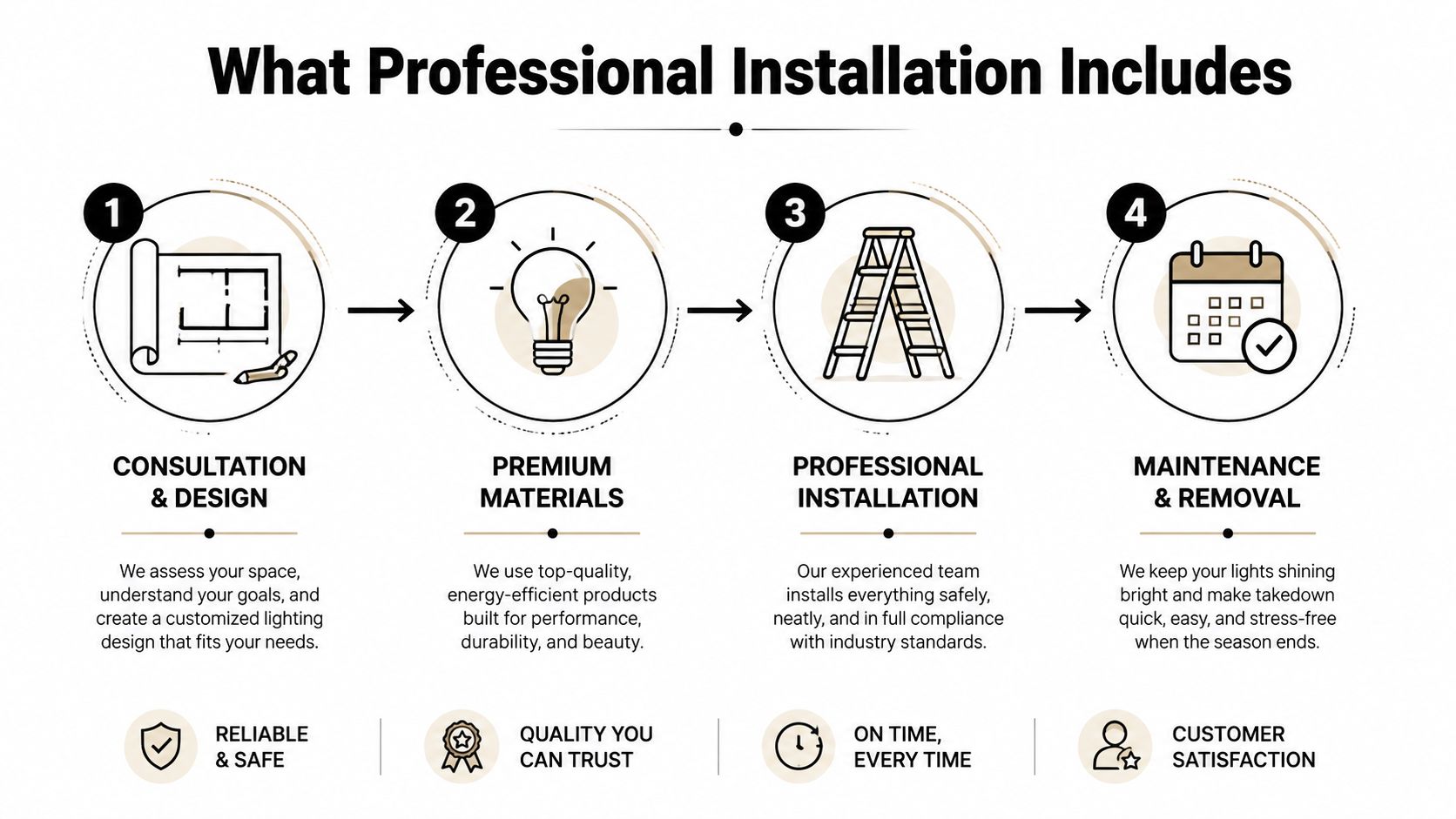
Professional outdoor Christmas light installation changes the entire assignment. Instead of treating the display as a weekend chore, a qualified installer approaches the property as a seasonal service. The process can include a design consultation, measurements, outdoor-rated materials, installation, controls, repairs, takedown, and storage. That matters for busy families, property managers, storefronts, and anyone who doesn't want to spend December checking dark sections or worrying about how the lights were attached.
The value is in the planning
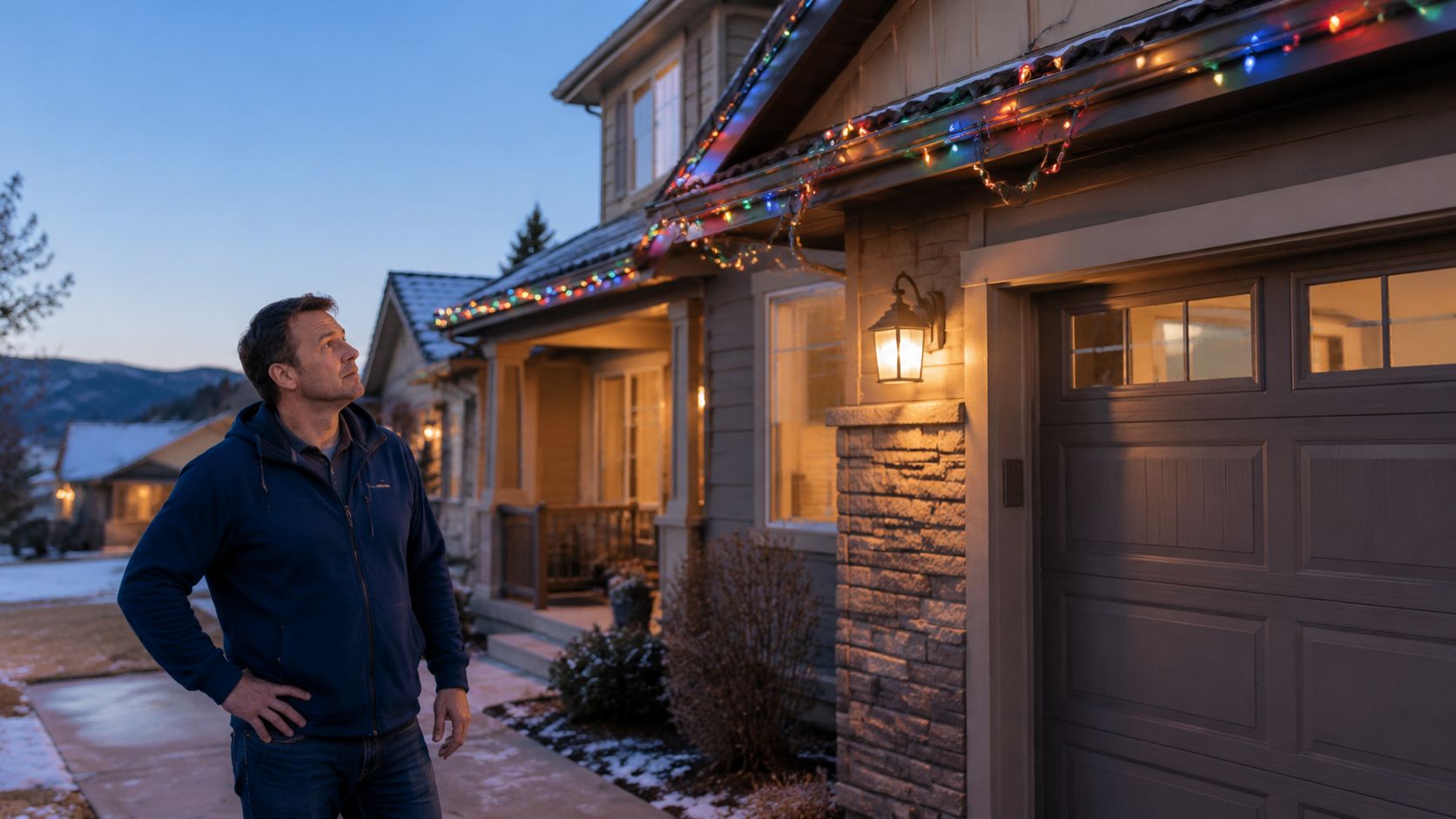
A polished display starts before the first clip is installed. The installer should look at roof geometry, trees, eaves, gutters, power access, walking paths, and areas that can be decorated from the ground. The design should also account for how the home looks from the street, not merely how many light strings are available.
Homeowners comparing outdoor lighting approaches may also find practical background in this outdoor lighting guide Brisbane from DLG Electrical. The location differs, but the planning principle applies anywhere exterior lighting must balance appearance, power, weather exposure, and safe installation.
LEDs helped make the service more practical
The shift toward efficient lighting has strengthened the case for professional displays. Modern electric Christmas tree lighting dates to 1882, when Edward H. Johnson, an associate of Thomas Edison, is widely credited with creating an electrically illuminated tree display in New York. By the 1920s and 1930s, electric holiday lights had become more common as electrification expanded, and Statistics Canada reported that nearly 30% of Canadian households used LED holiday lights in 2007, with higher usage in single-detached homes than apartments. Electric Choice provides that historical and adoption context.
The practical decision is straightforward. If the job involves a steep roofline, tall trees, complicated power routing, or a full-season service expectation, hiring a professional is usually the sensible choice. You're paying for a safer process, a cleaner result, and fewer holiday interruptions.
Safety Risks That Make DIY Holiday Lighting Dangerous
The biggest DIY risk usually isn't a dead bulb. It's the person installing the bulb.
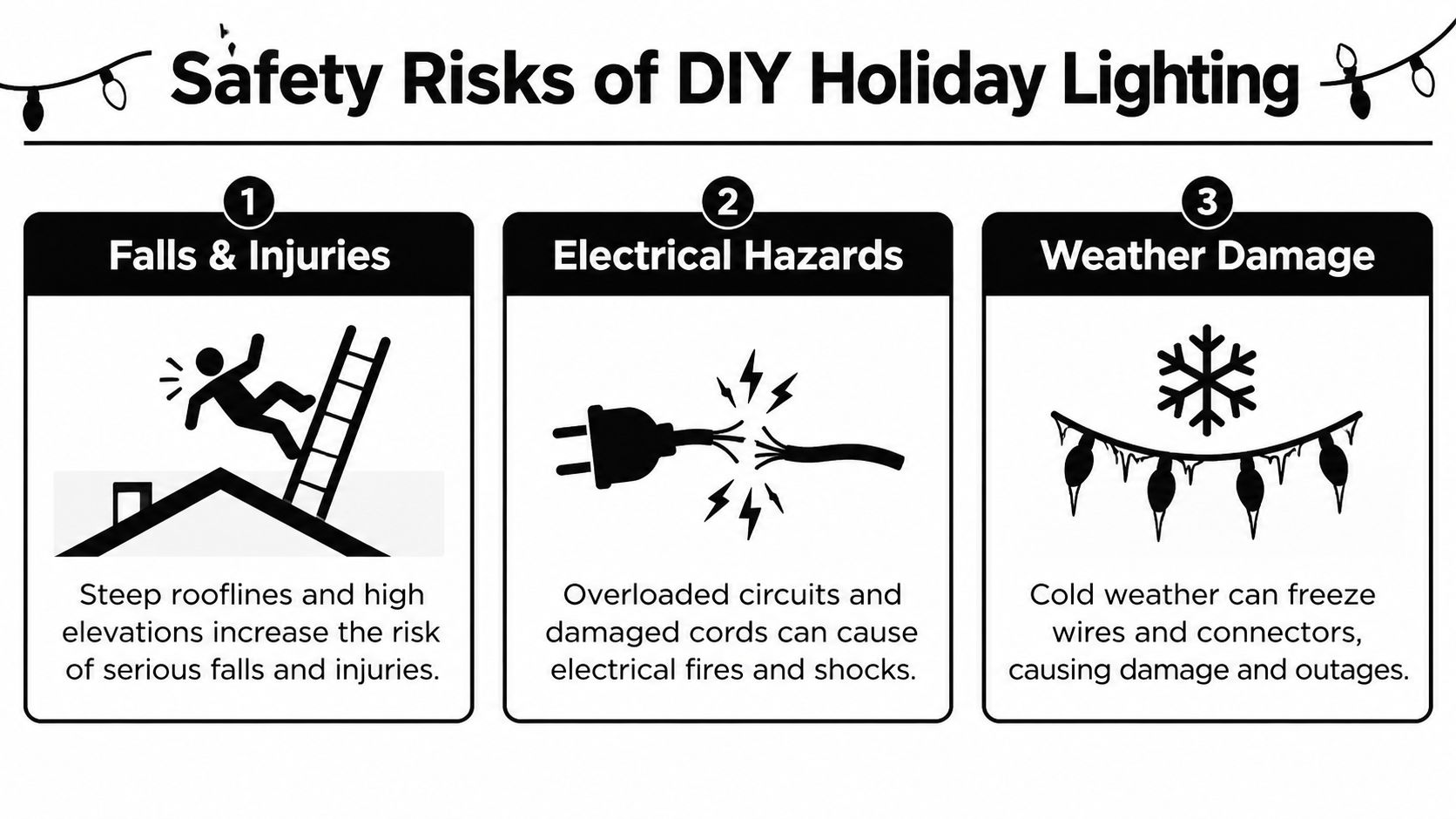
A 2015 trauma-center review of Christmas-light installers recorded 40 severely injured patients. 95% were male, the mean age was 55, and the mean injury severity score was 25.7, according to the review indexed by PubMed. Those figures don't describe a harmless decorating task. They show why roof access, ladder placement, balance, and the number of ascents deserve attention before anyone thinks about color patterns.
Cold weather makes the physical work less forgiving. Uneven ground, frozen surfaces, gloves, limited daylight, and extended reaching can turn a stable-looking setup into a fall exposure. A professional plan keeps as much work as possible at ground level or on low eaves and avoids prolonged work at steep roof edges.
Access planning comes before bulb layout
Before hiring or attempting an installation, assess:
- Roof geometry: Steep pitches, multiple levels, dormers, and high gables increase the work at height.
- Ground conditions: Sloped landscaping, snow, ice, and soft soil can compromise ladder stability.
- Reach requirements: Long periods of leaning sideways are a warning sign, even when the ladder appears secure.
- Work sequencing: Fewer ascents and descents generally mean fewer opportunities for a mistake.
- Ladder material: Wooden or fiberglass ladders are preferred outdoors over metal ladders because metal conducts electricity, as ESFI's outdoor decoration guidance explains.
Practical rule: If the display requires roof walking, unstable ladder placement, or reaching near energized cords, stop treating it as a casual DIY project.
Electrical protection is part of the design
Outdoor lights should connect to GFCI-protected outlets, and only lights designed for outdoor use belong outside. Use outdoor-rated cords and connectors, inspect every strand, and keep plug connections off the ground and away from puddles or snow. American Safety Council guidance reinforces those exterior-use requirements.
Electrical-safety guidance also recommends connecting no more than three standard light strings per cord or run, unless the manufacturer gives different instructions. Test the exterior receptacle, confirm that the GFCI trips and resets, and fasten strings with clips or hooks rather than nails and staples. Damaged cords should be discarded, and decorations should come down after the season instead of remaining exposed long-term. ESA Safety.
The right installer won't begin with “Where should the lights go?” They'll begin with “How will we reach that area, and how will this display receive power safely?”
What Professional Christmas Light Installation Includes
A professional package should show the full job in plain language. Before approving an estimate, confirm what happens during the property review, which materials are supplied, how repairs are handled, and whether removal and storage are included. A low quote can hide gaps that become expensive after installation.
Start with a property assessment
The first visit should cover more than preferred colors and roofline coverage. The installer should inspect rooflines, trees, architectural features, outlet locations, GFCI protection, attachment surfaces, and access points. Ask whether the crew supplies the lights or installs customer-owned strands. That decision affects consistency, replacements, and future service.
Your written scope should identify:
- Design: Color scheme, roofline coverage, trees, shrubs, windows, doors, and focal points.
- Materials: Outdoor-rated strings, clips, hooks, extension cords, timers, and connectors.
- Installation: Crew size, access method, attachment technique, and expected completion.
- Service: Warranty terms, repair response, bulb replacement, and who supplies replacement materials.
- Season closeout: Takedown date or window, storage conditions, labeling, and responsibility for the lights.
For contractors preparing detailed estimates, Exayard electrical estimating software shows how structured estimating can organize material and labor considerations. Homeowners do not need estimating software. They do need an estimate that matches the work planned at the property.
Discuss controls and maintenance before installation
Timers handle basic schedules. Smart plugs and app-controlled systems add convenience, but they also require setup and troubleshooting. Ask who configures the controls, what happens if one section fails, and whether a service visit is included or charged separately.
Removal deserves the same attention. A low initial quote may exclude takedown, storage, or mid-season repairs. A full-service plan often suits homeowners and businesses that want predictable service instead of the lowest upfront figure.
Compare a hanging-only visit with a complete seasonal plan. Review the service details on a provider's holiday light installation service page, then ask each installer the same questions about controls, repairs, removal, and storage.
Confirm the complete price
Pricing references place a simple display around $100 to $300 for an average-size home, but Grants Outdoor's holiday installation questions shows why a starting figure does not define the complete service. Design complexity, roof access, custom colors, smart controls, maintenance, removal, and storage can all change the scope.
“Installation included” is not enough. Request a written breakdown, then confirm who supplies replacement materials, who responds to failures, and what service remains after the lights are switched on.
LED vs Incandescent Christmas Lights for Outdoor Displays
For most outdoor displays, I recommend LEDs. The decision isn't based only on brightness or appearance. It affects electricity use, the number of strings a display can support, operating cost, and the practicality of covering long rooflines or multiple features.
An independent energy guide reports that LED Christmas lights use about 70% less energy than incandescent bulbs on average. A typical 100-light LED string uses only 5 to 10 watts, while a comparable incandescent setup can add several dollars or more to December electricity costs depending on display size and operating time. EnergySage's Christmas-light electricity guide provides those comparisons.
For a specific example, that guide estimates that a six-foot tree using LED lights can cost about $0.06 to run for six hours a day, or about $2 for December, while incandescent lighting for the same display can cost roughly $6 more per month. Larger outdoor installations scale quickly because they may cover rooflines, trees, shrubs, and yard features across hundreds of feet.
| Feature | LED Lights | Incandescent Lights |
|---|---|---|
| Energy use | About 70% less energy on average | Higher energy demand |
| Typical 100-light string | 5 to 10 watts | Substantially more power than a comparable LED string |
| December operating cost | Lower, with the difference becoming more meaningful in larger displays | Higher as display length and usage increase |
| Heat | Runs cooler | Produces more heat |
| Best fit | Large rooflines, trees, and repeated seasonal displays | Traditional appearance when energy cost is less important |
Incandescent bulbs can still appeal to homeowners who want a particular warm glow. The problem is that many buyers compare the purchase price without considering operation across the whole display. LEDs are generally the more practical choice for a Colorado Springs installation that stays lit throughout the season.
Ask your installer whether the proposal uses commercial-grade outdoor LEDs, who owns the materials, and how failed sections are replaced. Those answers tell you more about the long-term value than the bulb color alone.
How to Choose the Right Christmas Light Installer Near You
Don't choose an installer because the quote is the lowest or the photos look bright. Choose the company that can explain how it will protect your property, manage power, handle repairs, and close out the season.
For homeowners searching window cleaning near me and holiday lighting from the same local provider, the service standards should remain consistent. A company working around rooflines and exterior surfaces should communicate clearly, respect the property, and show up prepared. Colorado Springs, Black Forest, Monument, Manitou Springs, and Woodland Park properties can differ substantially in access, exposure, and power availability, so a remote quote may not reveal the full job.
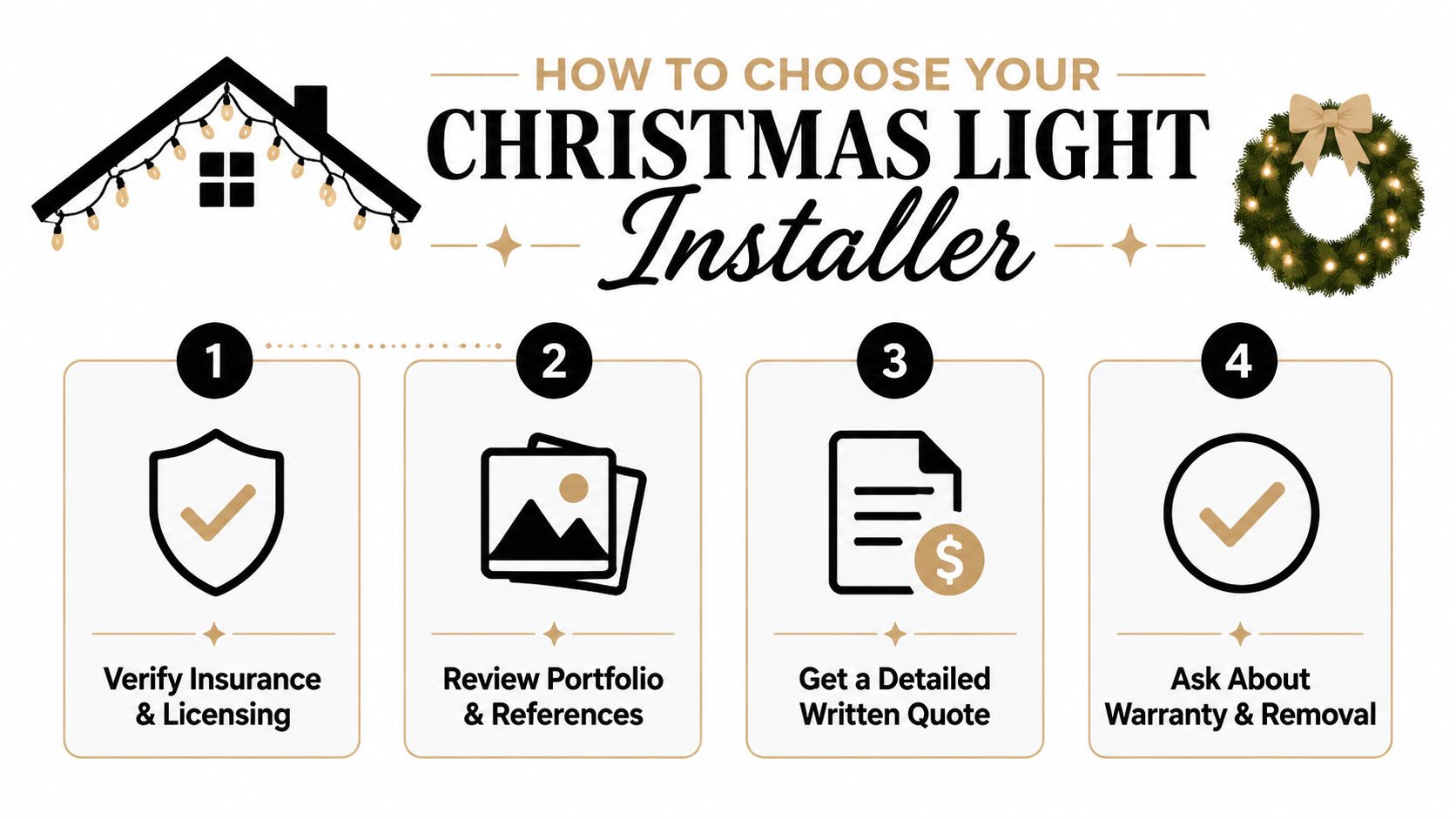
Use a hiring checklist
- Verify insurance and licensing: Ask what coverage applies to ladder work, property damage, and employees or subcontractors.
- Inspect the materials: Confirm that lights, cords, connectors, and controls are rated for outdoor use.
- Ask about power: The installer should discuss GFCI protection, outlet capacity, connection limits, and plug connections that are out of reach.
- Demand a written scope: The estimate should separate design, installation, repairs, removal, storage, and add-ons.
- Review the service promise: Ask how quickly the company responds to dark sections and whether replacement bulbs or labor are covered.
- Check the portfolio: Look for rooflines, trees, low-eave displays, and properties that resemble yours.
- Confirm property protection: Clips and hooks should replace nails or staples that can pierce insulation or damage surfaces.
Ask the questions other quotes leave out
The hidden issue is often the electrical system, especially in older homes, multifamily properties, and commercial buildings. Ask whether the existing exterior outlets are GFCI protected, whether the planned display will be divided across appropriate power sources, and whether an electrician should evaluate any limitation before installation.
That level of specificity also helps you compare local service providers fairly. Businesses that want to understand how trade companies present their services can review these local trade SEO tips, but homeowners should focus on substance, not marketing language.
A transparent installer should be comfortable discussing crew size, access equipment, warranty terms, service calls, removal, and storage. Cultivate House Detailing offers holiday light installation and permanent lighting in Colorado Springs as part of its exterior property services, so it can be one local option to evaluate alongside the same safety and scope checklist.
A professional-looking display starts with a professional-looking estimate. If the scope is vague, the service probably is too.
Scheduling Your Holiday Light Installation and Next Steps
The best time to request a quote is before your preferred installation window becomes crowded. Start by collecting a few photos of the home, identifying the areas you want lit, noting any tall rooflines or trees, and checking where exterior outlets are located. Tell the installer whether you want classic roofline lighting, tree wrapping, window outlines, wreaths, smart controls, or a restrained low-eave design.
A good scheduling conversation should cover design approval, material availability, property access, weather contingencies, power concerns, maintenance response, and takedown. Don't assume that a verbal promise includes removal or storage. Ask for those services in writing.
Permitting can depend on the property, display, building type, and local requirements. Residential work may be straightforward, while commercial buildings, shared properties, signs, or installations involving electrical changes may require additional review. Ask your installer whether the planned work needs a permit or an electrician-adjacent assessment in the Pikes Peak region.
For a clearer discussion of what can affect the investment, review this guide to professional Christmas light installation cost. Use it as a starting point, then request a property-specific quote rather than relying on a generic figure.
A reliable local installer should confirm the scope, communicate the schedule, explain weather delays, and leave you with a clear contact for service. If you're searching for professional Christmas light installation in Colorado Springs, CO, make safety planning and total-cost transparency your first filters.
Cultivate House Detailing provides seasonal holiday light installation and permanent lighting for homes and businesses in Colorado Springs and nearby communities, with planning, exterior installation, and post-holiday removal available according to the agreed scope. Visit Cultivate House Detailing to request a quote and discuss a safer, cleaner lighting plan for your property.
Looking for a professional to take care of it? Cultivate House Detailing offers holiday lighting installation in Colorado Springs. Get a free quote.