The Real Reason Gutters Overflow — And How Professionals Fix It
Many homeowners deal with the common frustration of overflowing gutters, often blaming the intensity of a heavy rainstorm. It seems logical to assume that a sudden downpour simply overwhelms the system, causing water to cascade over the edges. However, this surface-level assumption misses the mechanical realities of how a proper drainage system is designed to function under pressure.
The truth is much more complicated, as overflow usually signals underlying issues that can cause severe structural damage if ignored. When a drainage system functions correctly, it channels even the heaviest rainfall safely away from the property. When it fails, water finds the path of least resistance, which frequently leads straight into vulnerable areas of the house.
This guide covers the key reasons gutters overflow and explains how professional services address these problems effectively. By understanding the mechanical failures and unseen blockages that compromise your drainage, you can take proactive steps to protect your property from costly repairs.
The Hidden Dangers of Neglected Gutters
Water Damage to Your Foundation
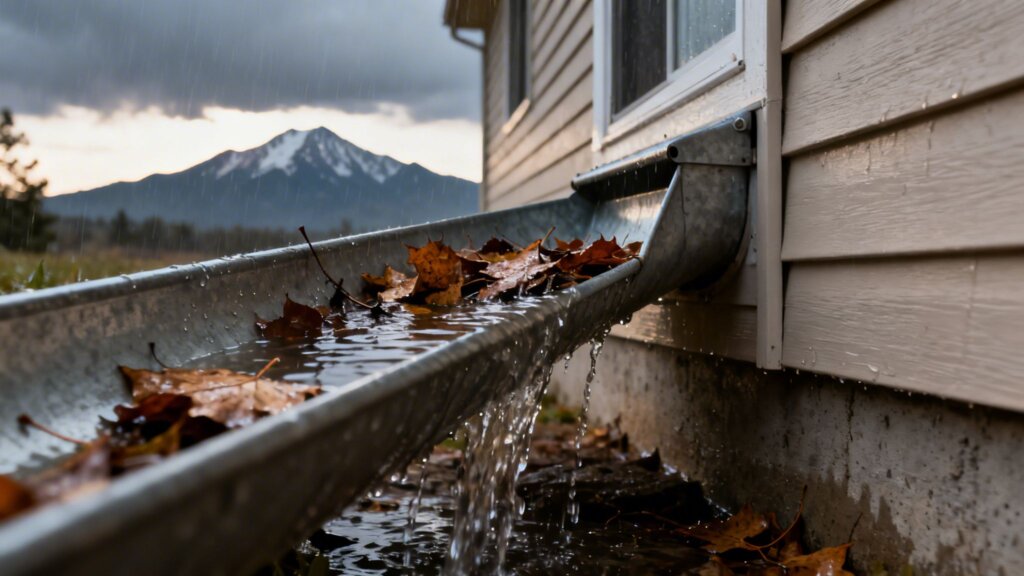
When water spills over the edges of a clogged system, it pools directly at the base of the home instead of being routed safely away. This constant saturation softens the soil around the perimeter, creating hydrostatic pressure against the foundation walls. Over time, this intense pressure leads to the long-term risk of foundation cracking, shifting, and inevitable basement flooding that compromises the structural integrity of the property.
Roof Leaks and Rotting Fascia Boards
Trapped water inevitably backs up under the roofline when it has nowhere else to go. This standing water seeps into the wooden fascia boards holding the gutters, leading to costly decay and weakening the underlying roofing structures. As the wood rots, it loses its ability to support the weight of the metal channels, creating a compounding cycle of damage that allows moisture to enter the attic space.
Unwanted Pests Making Themselves at Home
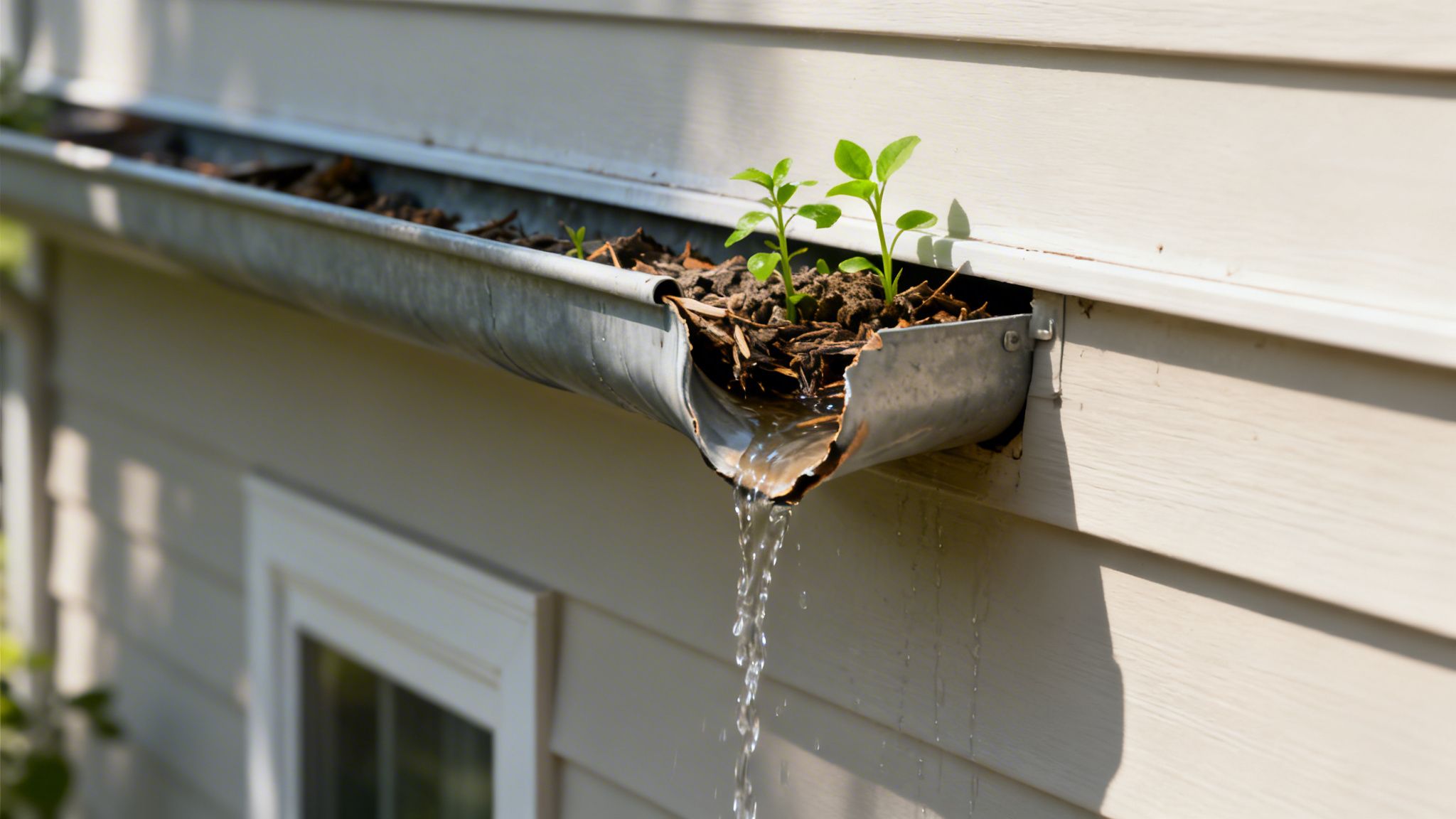
Damp, debris-filled gutters create the perfect breeding ground for mosquitoes, rodents, and destructive insects. The combination of stagnant water and decomposing organic matter provides an ideal habitat for these pests to nest and multiply right against the roofline. Fixing the overflow removes this welcoming habitat, cutting off the moisture and shelter that pests need to survive near the home.
Beyond Leaves: Surprising Culprits Behind Clogs
Asphalt Shingle Granules Buildup
Older roofs naturally shed heavy, sand-like granules that wash down and settle in the bottom of the gutter channels. Because this material is exceptionally dense, it does not easily wash out through the downspouts during a rainstorm. Instead, this dense material hardens into a thick sludge that blocks normal water flow and adds immense, unnecessary weight to the entire system.
Bird Nests and Animal Debris
Birds, squirrels, and wasps frequently build nests in secluded gutter corners or directly inside the openings of downspouts. These creatures use twigs, mud, and leaves to create dense blockages that completely halt the flow of water. Standard visual checks from the ground usually miss these blockages because the nests are tucked away in the highest, most obscured parts of the drainage system.
Algae, Moss, and Unseen Sludge
Decomposing organic matter eventually breaks down into a thick, slimy sludge that encourages the growth of algae and moss. This muck coats the interior channels, creating a high-friction surface that significantly slows down normal drainage. As the sludge thickens, it forms a sticky trap that catches smaller debris, accelerating the clogging process and forcing water over the sides.
Improper Pitch: When Gravity Works Against You
Understanding Gutter Slope and Flow
A proper gutter pitch ensures water flows efficiently toward the downspouts, typically requiring a slope of a quarter inch for every ten feet of run. This slight angle utilizes gravity to keep the channels clear and moving at a steady pace. When gutters sit perfectly flat, water pools in the center, causing rapid overflow during storms and accelerating the rusting process in metal systems.
Sagging Sections and Broken Brackets
The sheer weight of wet debris, standing water, or winter snow easily pulls gutters away from the house. This immense strain bends the metal and causes hardware to fail, leaving sections sagging significantly lower than the rest of the line. Recognizing the signs of failing hardware and weakened hangers early prevents the entire system from tearing away from the fascia board.
How Ground Settling Changes Your Alignment
A home’s natural shifting alters the angle of the roofline and directly impacts the alignment of the attached gutters. Even a minor foundation shift can disrupt the precise calculation of the drainage slope. A once-perfect system can gradually lose its effective slope over the years, requiring professional recalibration to restore the necessary gravitational pull.
Downspout Disasters: The Bottleneck Effect
Identifying Blockages in the Downspout
The vertical drops of a drainage system are the most common places for stubborn clogs to form, as debris easily wedges into the narrow elbows and joints. Recognizing a blocked downspout during a rainstorm is straightforward: simply look for water backing up at the top connection or listen for a hollow, trickling sound instead of a steady rush of water at the bottom. Clearing these vertical bottlenecks is essential for restoring the entire system’s capacity.
Inadequate Downspout Sizing for Heavy Rainfall
Undersized downspouts simply cannot handle the volume of sudden downpours, causing the horizontal channels to fill faster than they can drain. Homes with large, steep roofs collect massive amounts of water that quickly overwhelm standard two-by-three-inch pipes. Frequent overflowing despite cleaning the gutters is a primary sign that a home might need upgraded, wider downspouts to accommodate the local climate.
The Importance of Proper Runoff Extension
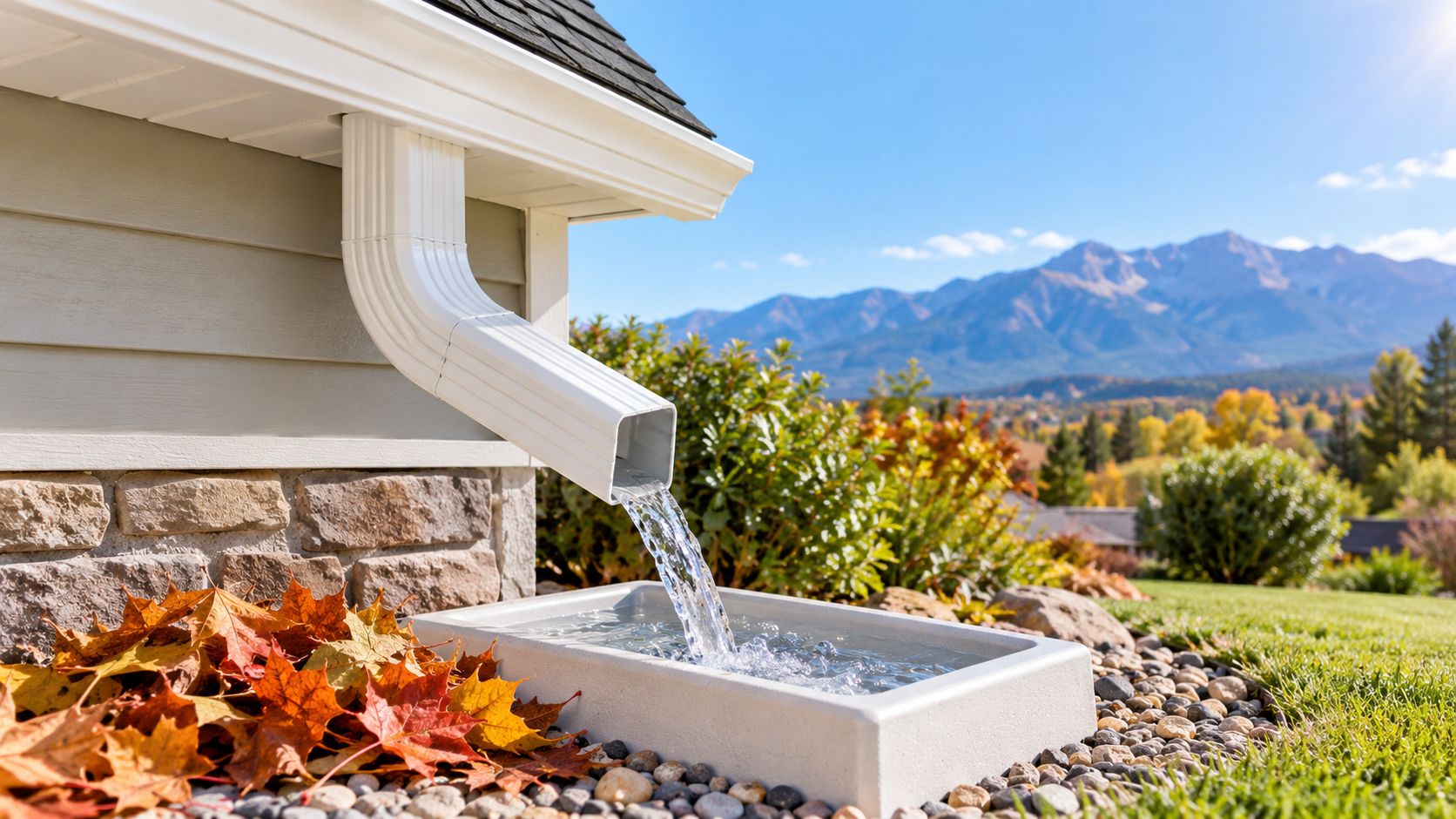
Getting water to the ground isn’t enough; it must be directed far away from the house to protect the foundation. Without proper extensions, the thousands of gallons of water collected by the roof simply dump directly onto the perimeter soil. Utilizing splash blocks and downspout extensions prevents pooling and ensures the water flows safely into the yard or designated drainage areas.
The DIY Risk vs. Professional Reward
Safety Hazards on the Ladder
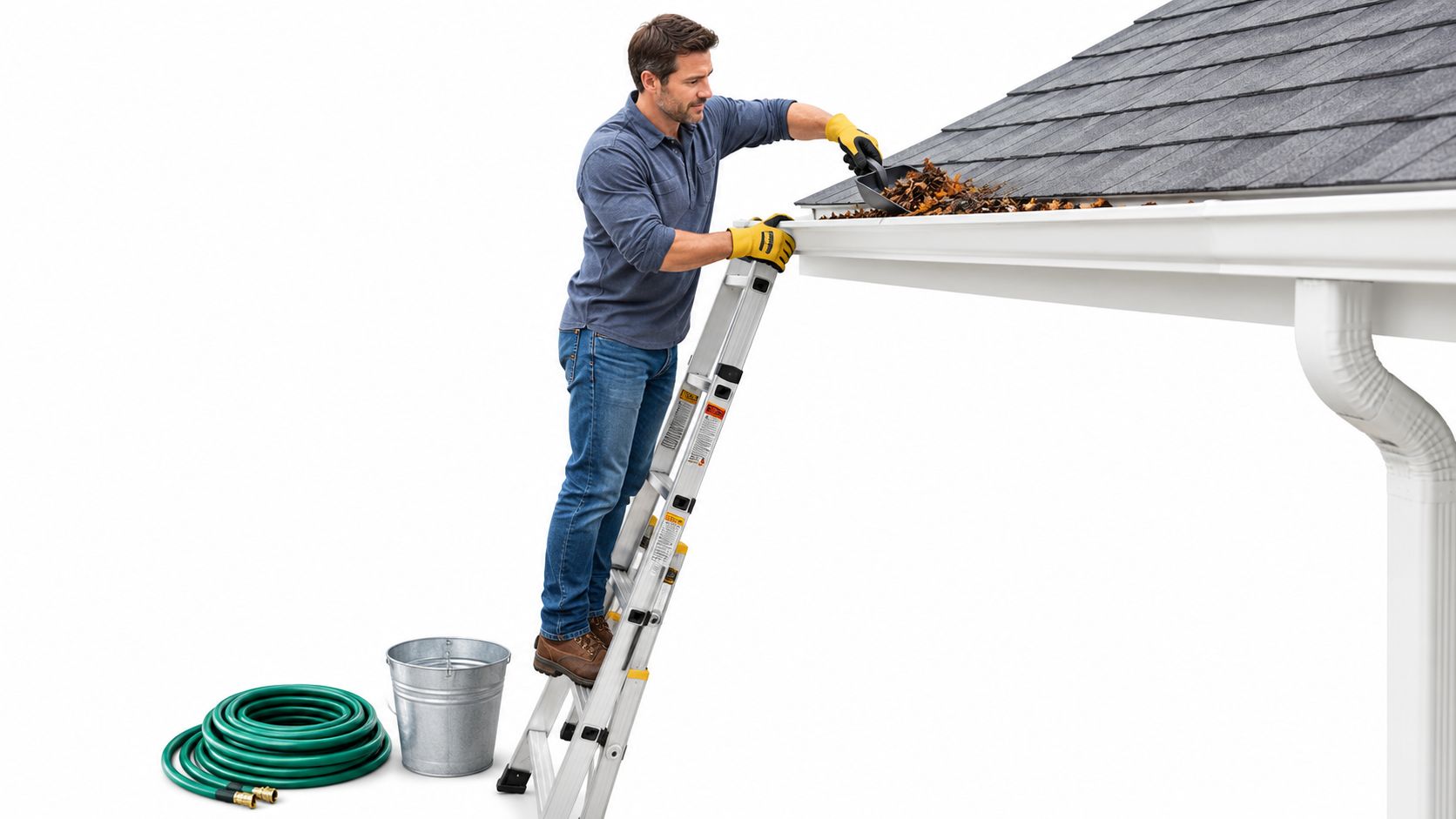
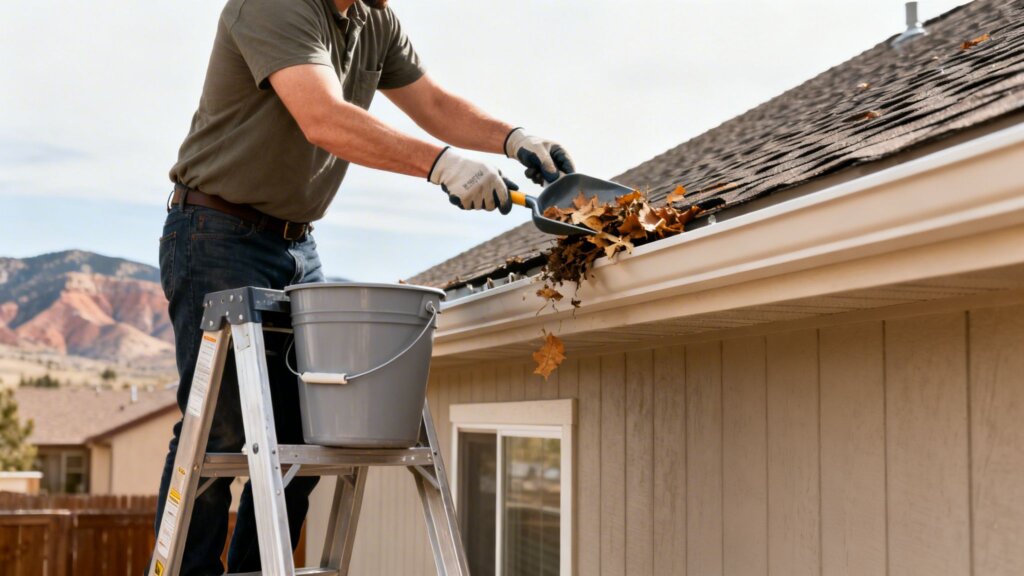
Climbing ladders with buckets, scoops, and hoses presents severe physical dangers for the average homeowner. Thousands of individuals face serious injuries each year from balancing on unstable ladders while trying to reach awkward rooflines. Relying on professionals eliminates the need to navigate slippery rungs and dangerous heights.
Missing the Hidden Structural Issues
Homeowners taking the DIY route often scoop out the leaves but completely miss sagging brackets, missing screws, or tiny seam leaks. A surface-level cleaning fails to fix the root cause of the overflow because it ignores the mechanical integrity of the system. Professionals evaluate the structural health of the setup to ensure long-term functionality rather than just a temporary clean.
Why Specialized Tools Make All the Difference
Comparing a standard garden hose and a plastic scoop to professional-grade vacuums and high-reach water poles highlights a massive gap in cleaning efficiency. High-powered equipment extracts compacted sludge and clears downspout bottlenecks without causing damage to the delicate aluminum. The right equipment ensures a thorough, damage-free clean that restores the system to peak performance.
How Cultivate House Detailing Fixes the Problem
Comprehensive Inspections Catch What Others Miss
The team at Cultivate House Detailing assesses the entire roofline before starting any cleaning procedure to understand the unique challenges of the property. This thorough evaluation highlights the commitment to identifying pitch problems, loose brackets, and hidden damage that standard cleanings overlook. By mapping out the structural health of the system first, the technicians ensure a comprehensive repair strategy.
Deep Cleaning and Debris Removal
The step-by-step process used by Cultivate House Detailing safely and effectively clears out every ounce of sludge, roofing granules, and organic debris. The technicians employ a neat, mess-free approach that prevents muck from splattering onto the siding or landscaping below. This meticulous attention to detail leaves the property looking spotless while fully restoring the capacity of the channels.
Realignment and Flow Testing for Perfect Drainage
Following the debris removal, the technicians check the slope and run water through the system to guarantee perfect flow from the roofline down to the extensions. Adjusting loose brackets and fixing the pitch ensures gravity handles the water exactly as intended. Cultivate House Detailing ensures everything works flawlessly before the job is considered complete, providing total peace of mind.
Preventative Care: Keeping Gutters Clear Year-Round
Establishing a Routine Maintenance Schedule
Scheduling professional gutter cleanings based on the local environment prevents clogs from forming in the first place. Properties surrounded by dense foliage typically require service multiple times a year, while others may only need annual check-ups. Implementing routine spring and late-fall maintenance prepares the drainage system for the heaviest seasonal rains and winter freezes.
Trimming Back Surrounding Trees and Foliage
Managing the surrounding landscape minimizes the amount of leaf drop and broken branches that land directly onto the roof. Keeping overhanging limbs trimmed back physically blocks a major source of organic debris from reaching the drainage channels. A little proactive tree maintenance saves the system from heavy gutter buildup and protects the roof shingles from moss growth.
Recognizing the Early Warning Signs of Overflow
Homeowners can monitor their property for visual cues such as water stains on the siding, peeling exterior paint, or washed-out garden beds directly below the roofline. These indicators reveal that water is escaping the system and striking the house. Catching these issues early empowers property owners to schedule professional maintenance before the overflow turns into expensive structural repairs.
Protecting Your Home from Gutter Overflow
Overflowing gutters act as a clear cry for help from a home’s exterior defense system. Whether the issue stems from packed sludge, a sagging pitch, or a blocked downspout, ignoring the problem only leads to costly foundational and structural damage. The water will always find a way down, and without a clear path, it will take a toll on the property.
Do not wait for the next heavy rainstorm to find out the drainage system is compromised. Contact Cultivate House Detailing today to schedule a comprehensive gutter cleaning and inspection. Let the professionals protect the investment so homeowners can sit back, relax, and enjoy the house again.
https://www.google.com/maps?cid=10139285130722580475