Why Dirty Gutters Can Attract Pests and Moisture Problems
Gutters are easy to ignore because most of the system sits above eye level. From the ground, everything may appear normal even when leaves, pine needles, roof grit, and other debris are collecting inside the channels.
The first visible warning may be water spilling over the edge during a storm. By that point, however, the blockage may already be holding moisture and organic material near the roofline.
Clogged gutters do not automatically cause a pest infestation or major water damage. They can, however, create conditions that make a home more appealing to insects and other unwanted visitors. They can also prevent rainwater and snowmelt from draining in the direction the gutter system was designed to carry it.
At Cultivate House Detailing, we provide professional gutter cleaning throughout Colorado Springs and surrounding communities. We remove leaves, twigs, and other obstructions so water has a clearer path through the gutters and downspouts. This routine maintenance can reduce avoidable standing water while helping homeowners identify visible drainage concerns before they become easier to overlook.
Clogged Gutters Hold Water Longer
A gutter works properly when water enters the channel, moves toward a downspout, and drains away from the roofline. Leaves and other debris interrupt that process.
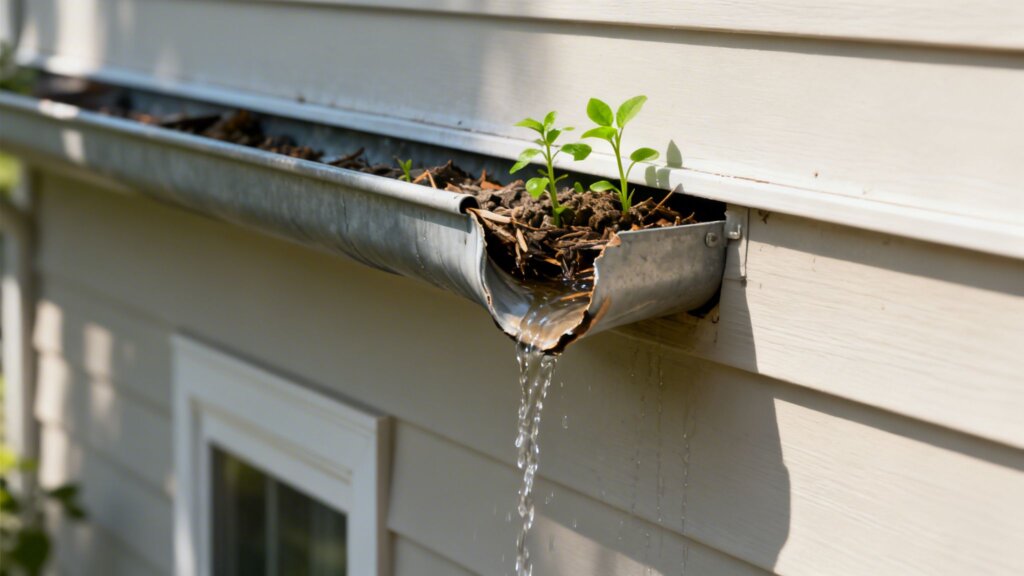
Organic material can gather around the downspout opening or form a compacted layer along the bottom of the gutter. Instead of flowing freely, water may remain trapped between the debris or collect in low sections of the channel.
Standing water is one of the main reasons clogged gutters can attract pests. The Environmental Protection Agency specifically recommends keeping roof drains, downspouts, and gutters open and free-flowing. It notes that standing water and debris in gutters can provide water for mosquitoes, carpenter ants, rats, and other pests.
A gutter does not need to look like a full container of water to create a problem. Small pockets may remain hidden beneath leaves, especially after rain, irrigation, or melting snow.
Mosquitoes Need Very Little Standing Water
Mosquitoes are among the most commonly discussed pests associated with clogged gutters. Female mosquitoes lay eggs near water, and the larvae live in water during the early stages of development. Some species can use surprisingly small water-holding locations around a property.
A gutter filled with damp leaves and small pools of stagnant water can therefore provide a potential breeding location. The risk depends on temperature, season, mosquito species, and how long the water remains in place, but eliminating standing water is a standard part of mosquito control around homes.
The Centers for Disease Control and Prevention advises homeowners to regularly remove or empty standing water where mosquitoes may lay eggs. Keeping gutters open and draining correctly supports the same objective.
Gutter cleaning is not a substitute for professional mosquito treatment when an established problem exists. It removes one possible water source rather than controlling every mosquito habitat in the yard.
Damp Organic Debris Can Appeal to Other Insects
Wet leaves and decomposing plant material can create a dark, protected environment. Ants, beetles, flies, and other insects may be drawn to the available moisture or organic debris.
Carpenter ants, for example, are associated with moist environments and damaged wood, although seeing ants near a gutter does not prove that the home has a colony or structural problem. A pest-control professional should evaluate recurring insect activity.
Dirty gutters can also collect seeds, roof grit, nesting material, and small branches. This buildup creates sheltered spaces near the roofline that would not exist in a clean, freely draining channel.
Routine cleaning makes the area less accommodating by removing much of the material and moisture that pests may use. It cannot prevent every insect from reaching the roof or guarantee that pests will not return, but it removes conditions that can encourage them to remain.
Rodents and Birds May Be Drawn to the Roofline
Rodents and birds do not usually move into a gutter simply because it has one wet leaf. Heavier accumulation can be more appealing, particularly when the channel contains nesting material, seeds, insects, or a reliable source of water.
Branches and nearby trees may give squirrels, mice, rats, and birds access to the roof. Once there, a debris-filled gutter can offer cover or material that may be useful for nesting.
The greater concern is often what the activity reveals. Animals moving repeatedly around the gutter, soffit, fascia, or roof edge may find gaps that allow access to protected parts of the home.
Gutter cleaners are not pest-control or wildlife-removal professionals. They may be able to point out visible nesting material or recurring activity, but suspected entry points and infestations should be handled by an appropriately qualified specialist.
Overflow Can Keep Fascia and Siding Wet
Pests are only one concern. When a clogged gutter cannot move water toward the downspout, the water must go somewhere else.
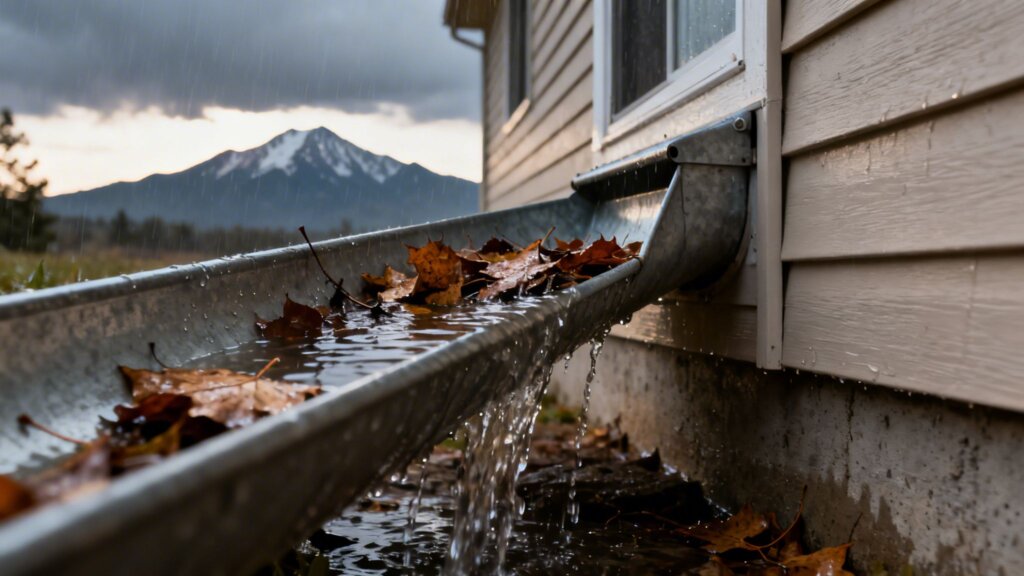
It may spill over the front edge, run behind the gutter, or repeatedly wash over fascia, trim, siding, windows, and landscaping. Materials that remain damp for extended periods may become stained or deteriorate sooner, particularly when paint, caulk, wood, or another protective surface is already damaged.
Overflow does not automatically mean the gutter is clogged. Improper slope, loose sections, undersized gutters, roof design, or exceptionally heavy precipitation may also contribute. Cleaning addresses debris-related restrictions but does not repair installation or structural problems.
Once the debris is removed, it may become easier to see whether a loose joint, separated section, damaged fascia, or another concern needs evaluation by a gutter contractor, roofer, painter, or carpenter.
Mismanaged Water Can Affect the Ground Below
Gutters and downspouts help control where roof runoff reaches the ground. When water pours over a clogged section, it may land repeatedly in the same area beside the home.
This can wash mulch or soil away, damage landscaping, create muddy patches, or leave water collecting near walkways and lower portions of the house. Over time, repeated saturation may contribute to moisture concerns around the property.
Gutter cleaning cannot solve every foundation or drainage issue. Downspout length, grading, soil conditions, drainage systems, and the design of the home all affect where water travels after it leaves the roof.
The purpose of cleaning is to restore the path through the gutter so the rest of the drainage system has an opportunity to function as intended. Cultivate House Detailing clears debris specifically to help gutters drain correctly and reduce uncontrolled runoff over the sides.
Winter Can Make Existing Blockages More Complicated
Colorado Springs homeowners must also consider snow, melting, and freezing conditions.
Debris inside the gutter can restrict the movement of snowmelt. When temperatures fall again, trapped moisture may freeze around the blockage. Wet leaves can also become a dense frozen mass that is harder to remove safely.
A clogged gutter is not the sole cause of ice dams or every winter drainage concern. Roof temperature, insulation, ventilation, snow accumulation, and outdoor conditions may all contribute. Cleaning the gutters simply removes one avoidable obstruction before colder weather arrives.
This is one reason many homeowners schedule gutter maintenance during the fall. Clearing leaves and pine needles before winter reduces the amount of material available to trap moisture during freeze-and-thaw cycles.
Warning Signs Homeowners Can See From the Ground
Homeowners should not climb a ladder simply to determine whether their gutters need attention. Several signs may be visible from a safe position below.
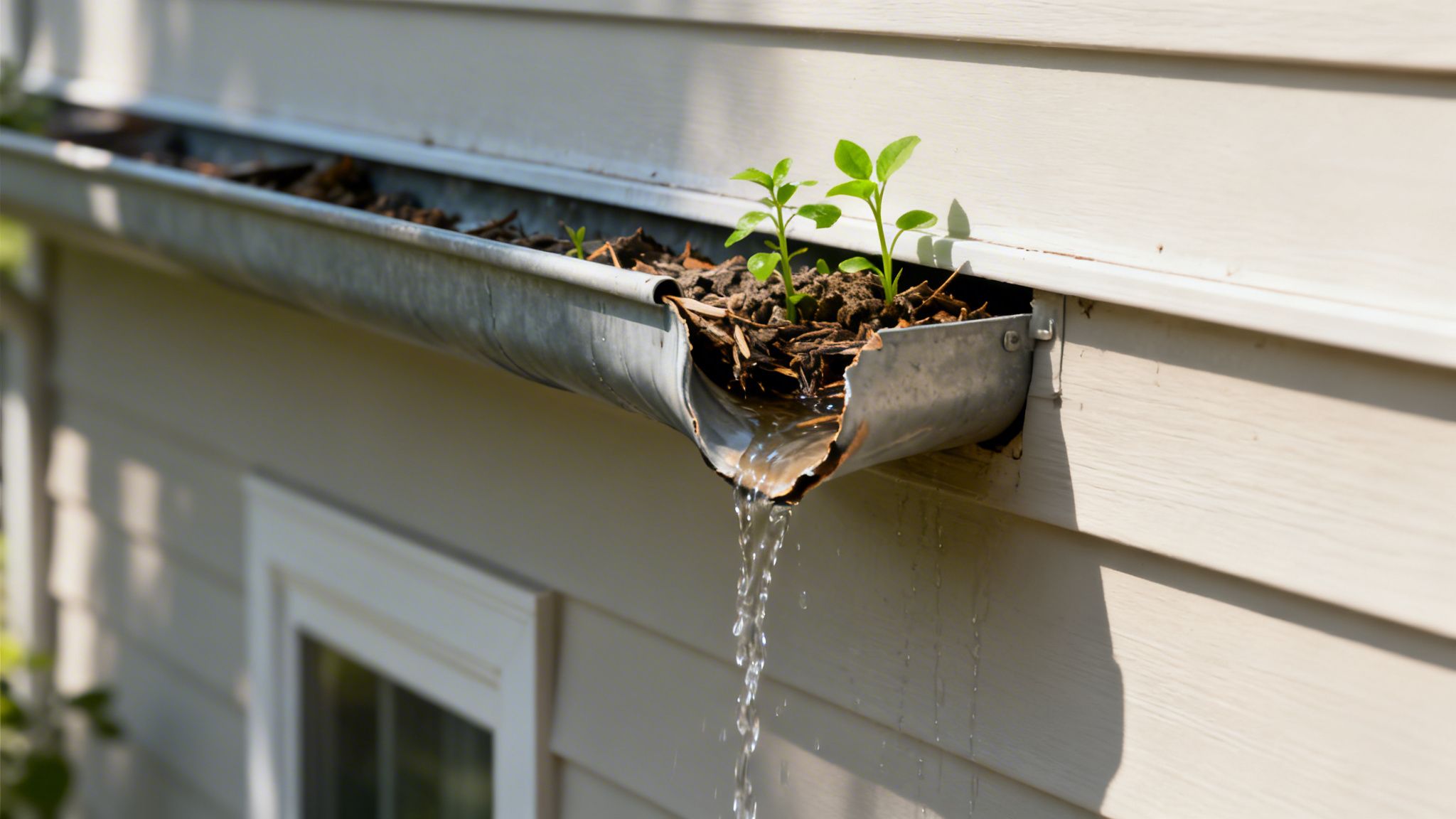
Water spilling over the edge is one of the most obvious. Other warning signs may include plants growing from the gutter, visible leaves above the channel, dark streaks beneath the roofline, sagging sections, unusually large icicles, or water collecting near the same part of the home after storms.
Increased insect activity around one section of the roofline may also justify a closer look, although insects can be present for many reasons unrelated to the gutters.
These signs do not provide a complete diagnosis. They indicate that the system may need professional cleaning or evaluation.

Gutter Guards Reduce Debris but Still Need Attention
Gutter guards can limit how much larger material enters the channel, but they do not make the system permanently maintenance-free.
Leaves and pine needles may collect on top of the guards. Fine roof grit, pollen, seeds, and smaller debris may pass through openings or gather beneath certain designs. Water may also overflow if the guard surface becomes blocked.
Homes with guards should still be checked periodically, especially after heavy leaf drop, wind, hail, or winter weather. The maintenance may be less intensive than cleaning fully exposed gutters, but ignoring the system indefinitely can allow hidden buildup to develop.
The best schedule depends on the roof, surrounding trees, guard design, and local conditions.
Professional Cleaning Reduces Ladder Risk
Gutter cleaning often requires working from a ladder above sloped landscaping, decorative rock, window wells, stairs, or uneven soil. The technician must also manage wet debris, tools, and equipment while avoiding excessive reaching.
Professional service keeps the homeowner from taking on that elevated work personally. It also provides a more complete process than removing only the handful of leaves visible from one ladder position.
At Cultivate House Detailing, our team focuses on clearing obstructions and restoring a usable drainage path while maintaining a careful work process. We also emphasize clear communication so customers understand what to expect and can be informed when a visible issue appears to fall outside normal cleaning.
Gutter cleaning is not pest extermination, roofing, fascia repair, or foundation work. When technicians notice evidence of those separate concerns, the appropriate next step is to involve a qualified specialist.
Keep the Roofline Less Inviting
Dirty gutters combine several things pests may find useful: water, shelter, damp organic debris, and a protected location near the roof. At the same time, blocked drainage can send water over the gutter and onto parts of the property that were not designed to receive concentrated runoff.
Regular cleaning removes much of that buildup and helps the system move water more freely. It cannot guarantee a pest-free home or prevent every moisture problem, but it eliminates one common and avoidable source of standing water and debris.
By keeping gutters cleaner and downspouts open, homeowners can make the roofline less attractive to pests while giving rainwater and snowmelt a clearer path away from the home.
https://www.google.com/maps?cid=10139285130722580475